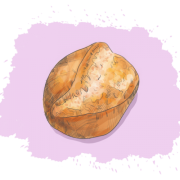
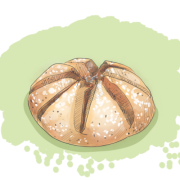
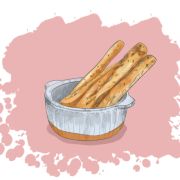
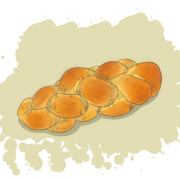
Baguette

Baguette

Ciabatta

Ciabatta

Tortilla

Tortilla

Lavash

Lavash

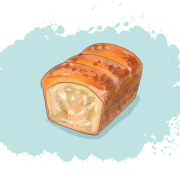
Babka

Babka

Yufka

Yufka

Pita

Pita

Bun

Bun

Bolani

Bolani

Bagel

Bagel

Rusk

Rusk

Chapati

Chapati

Sourdough

Sourdough

Damper

Damper

Breadstick

Breadstick

Zopf

Zopf

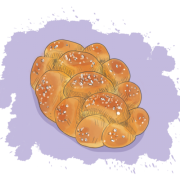
Challah

Challah

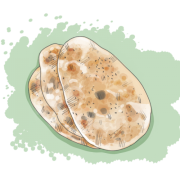
Naan

Naan

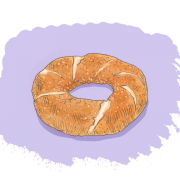
Simit

Simit

Brioche

Brioche

Bread

Bread

Baguette - Food and Drinks

40 chapters
levelbeginner

Learn English through easy and interesting readings about bread, discovering different types and traditions from around the world!

Vocabulary
1.
sandwich
[n]
/ˈsændwɪʧ/
2.
stick
[n]
/stɪk/
3.
inch
[n]
/ɪnʧ/
4.
round
[adj]
/raʊnd/
5.
thick
[adj]
/θɪk/
6.
creation
[n]
/kɹiˈeɪʃən/
7.
bake
[v]
/beɪk/
8.
ingredient
[n]
/ˌɪnˈɡɹidiənt/
9.
flour
[n]
/ˈfɫaʊɝ/, /ˈfɫaʊɹ/
10.
water
[n]
/ˈwɑːtɚ/
11.
yeast
[n]
/ˈjist/
12.
salt
[n]
/sɔːlt/
13.
dough
[n]
/ˈdoʊ/
14.
rise
[v]
/raɪz/
15.
bakery
[n]
/ˈbeɪkɝi/
16.
culture
[n]
/ˈkʌltʃɚ/
17.
meal
[n]
/miːl/
18.
important
[adj]
/ɪmˈpɔrtənt/
19.
favorite
[adj]
/ˈfeɪvɚɪt/
20.
vegetable
[n]
/ˈvɛdʒtəbl/
21.
tasty
[adj]
/ˈteɪsti/
22.
meal
[n]
/miːl/
23.
competition
[n]
/ˌkɑmpəˈtɪʃən/
24.
Grand Prix
[n]
/ɡɹˈænd pɹˈiː/
25.
year
[n]
/jɪr/
26.
winner
[n]
/ˈwɪnɚ/
27.
prize
[n]
/praɪz/
28.
choose
[v]
/tʃuːz/
29.
baguette
[n]
/ˌbæˈɡɛt/
30.
bread
[n]
/brɛd/
31.
popular
[adj]
/ˈpɑpjələr/
32.
France
[n]
/fræns/
33.
thin
[adj]
/θɪn/
34.
crisp
[adj]
/ˈkɹɪsp/
35.
crust
[n]
/ˈkɹəst/
36.
all over the (world|globe)
[phrase]
/ˈɔːl ˌoʊvɚ ðə wˈɜːld ɔːɹ ɡlˈoʊb/
37.
enjoy
[v]
/ɪnˈʤɔɪ/
38.
cheese
[n]
/tʃiːz/
39.
butter
[n]
/ˈbʌtɚ/
40.
jam
[n]
/dʒæm/

1.
sandwich
[n]
/ˈsændwɪʧ/
2.
stick
[n]
/stɪk/
3.
inch
[n]
/ɪnʧ/
4.
round
[adj]
/raʊnd/
5.
thick
[adj]
/θɪk/
6.
creation
[n]
/kɹiˈeɪʃən/
7.
bake
[v]
/beɪk/
8.
ingredient
[n]
/ˌɪnˈɡɹidiənt/
9.
flour
[n]
/ˈfɫaʊɝ/, /ˈfɫaʊɹ/
10.
water
[n]
/ˈwɑːtɚ/
11.
yeast
[n]
/ˈjist/
12.
salt
[n]
/sɔːlt/
13.
dough
[n]
/ˈdoʊ/
14.
rise
[v]
/raɪz/
15.
bakery
[n]
/ˈbeɪkɝi/
16.
culture
[n]
/ˈkʌltʃɚ/
17.
meal
[n]
/miːl/
18.
important
[adj]
/ɪmˈpɔrtənt/
19.
favorite
[adj]
/ˈfeɪvɚɪt/
20.
vegetable
[n]
/ˈvɛdʒtəbl/
21.
tasty
[adj]
/ˈteɪsti/
22.
meal
[n]
/miːl/
23.
competition
[n]
/ˌkɑmpəˈtɪʃən/
24.
Grand Prix
[n]
/ɡɹˈænd pɹˈiː/
25.
year
[n]
/jɪr/
26.
winner
[n]
/ˈwɪnɚ/
27.
prize
[n]
/praɪz/
28.
choose
[v]
/tʃuːz/
29.
baguette
[n]
/ˌbæˈɡɛt/
30.
bread
[n]
/brɛd/
31.
popular
[adj]
/ˈpɑpjələr/
32.
France
[n]
/fræns/
33.
thin
[adj]
/θɪn/
34.
crisp
[adj]
/ˈkɹɪsp/
35.
crust
[n]
/ˈkɹəst/
36.
all over the (world|globe)
[phrase]
/ˈɔːl ˌoʊvɚ ðə wˈɜːld ɔːɹ ɡlˈoʊb/
37.
enjoy
[v]
/ɪnˈʤɔɪ/
38.
cheese
[n]
/tʃiːz/
39.
butter
[n]
/ˈbʌtɚ/
40.
jam
[n]
/dʒæm/
1.
sandwich
[n]
/ˈsændwɪʧ/
szendvics
2.
stick
[n]
/stɪk/
bot
3.
inch
[n]
/ɪnʧ/
hüvelyk
4.
round
[adj]
/raʊnd/
kerek
5.
thick
[adj]
/θɪk/
vastag
6.
creation
[n]
/kɹiˈeɪʃən/
teremtés
7.
bake
[v]
/beɪk/
süt
8.
ingredient
[n]
/ˌɪnˈɡɹidiənt/
hozzávaló
9.
flour
[n]
/ˈfɫaʊɝ/, /ˈfɫaʊɹ/
liszt
10.
water
[n]
/ˈwɑːtɚ/
víz
11.
yeast
[n]
/ˈjist/
élesztő
12.
salt
[n]
/sɔːlt/
13.
dough
[n]
/ˈdoʊ/
tészta
14.
rise
[v]
/raɪz/
kel
15.
bakery
[n]
/ˈbeɪkɝi/
pékség
16.
culture
[n]
/ˈkʌltʃɚ/
kultúra
17.
meal
[n]
/miːl/
the food that we eat regularly during different times of day, such as breakfast, lunch, or dinner
18.
important
[adj]
/ɪmˈpɔrtənt/
fontos
19.
favorite
[adj]
/ˈfeɪvɚɪt/
kedvenc
20.
vegetable
[n]
/ˈvɛdʒtəbl/
zöldség
21.
tasty
[adj]
/ˈteɪsti/
finom
22.
meal
[n]
/miːl/
étkezés
23.
competition
[n]
/ˌkɑmpəˈtɪʃən/
verseny
24.
Grand Prix
[n]
/ɡɹˈænd pɹˈiː/
Nagydíj
25.
year
[n]
/jɪr/
év
26.
winner
[n]
/ˈwɪnɚ/
győztes
27.
prize
[n]
/praɪz/
díj
28.
choose
[v]
/tʃuːz/
választ
29.
baguette
[n]
/ˌbæˈɡɛt/
bagett
30.
bread
[n]
/brɛd/
kenyér
31.
popular
[adj]
/ˈpɑpjələr/
népszerű
32.
France
[n]
/fræns/
Franciaország
33.
thin
[adj]
/θɪn/
vékony
34.
crisp
[adj]
/ˈkɹɪsp/
ropogós
35.
crust
[n]
/ˈkɹəst/
kéreg
36.
all over the (world|globe)
[phrase]
/ˈɔːl ˌoʊvɚ ðə wˈɜːld ɔːɹ ɡlˈoʊb/
in every part of the world
37.
enjoy
[v]
/ɪnˈʤɔɪ/
élvez
38.
cheese
[n]
/tʃiːz/
sajt
39.
butter
[n]
/ˈbʌtɚ/
vaj
40.
jam
[n]
/dʒæm/
lekvár

1

fejezet

star
Baguette 
Read a short passage about how a long, crispy loaf became a classic French bread. 
1.1
A baguette is a type of bread that is very popular in France.  It is long and thin with a crisp crust.  People all over the world enjoy eating baguettes.  They are often eaten with cheese, butter, or jams.  Sometimes, they are used to make sandwiches. 

A bagett egy olyan kenyérfajta, amely nagyon népszerű Franciaországban. Hosszú és vékony, ropogós héjjal. Az emberek szerte a világon szeretik enni a bagetteket. Gyakran sajttal, vajjal vagy lekvárral fogyasztják. Néha szendvicsek készítésére használják.

1.2
The word "baguette" means "stick" in French.  This name comes from the bread's long, stick-like shape.  Baguettes are usually about 26 inches long but can be shorter or longer. 

A "baguette" szó franciául "botot" jelent. Ez a név a kenyér hosszú, botra emlékeztető alakjából származik. A baguette-k általában körülbelül 26 hüvelyk hosszúak, de lehetnek rövidebbek vagy hosszabbak is.

1.3
Baguettes were first made in the 1920s in France.  Before this, French breads were round and thick.  The creation of the baguette changed how people enjoyed bread.  Its shape and size made it easy to bake and eat. 

A bagettet először az 1920-as években készítették Franciaországban. Ezelőtt a francia kenyerek kerekek és vastagok voltak. A bagett megalkotása megváltoztatta azt, ahogy az emberek élvezték a kenyeret. Alakja és mérete könnyűvé tette a sütést és az evést.

ThumbnailPhoto
1.4
Making a baguette involves simple ingredients: flour, water, yeast, and salt.  The dough is kneaded and then shaped into long pieces.  These pieces are left to rise.  This is when the dough becomes bigger and softer.  After rising, the dough is baked until the outside is golden and crispy. 

Egy bagett elkészítéséhez egyszerű hozzávalók szükségesek: liszt, víz, élesztő és só. A tésztát gyúrják, majd hosszú darabokká formálják. Ezeket a darabokat kelni hagyják. Ez az időszak, amikor a tészta nagyobb és lágyabb lesz. Kelés után a tésztát addig sütik, amíg a külső része aranybarna és ropogós nem lesz.

1.5
People in France buy baguettes fresh from bakeries almost every day.  In French culture, having fresh bread like this at meals is very important.  Baguettes are part of daily life in France. 

Az emberek Franciaországban szinte minden nap friss baguette-t vásárolnak a pékségekben. A francia kultúrában nagyon fontos, hogy ilyen friss kenyér legyen az étkezéseknél. A baguettek a mindennapi élet részét képezik Franciaországban.

1.6
A fun way to enjoy a baguette is to fill it with your favorite ingredients.  You can put in meats, cheeses, or vegetables.  This makes a tasty meal that is easy to carry and eat. 

Egy szórakoztató módja a bagett élvezetének, ha kedvenc hozzávalókkal töltjük meg. Lehet hús, sajt vagy zöldség. Így egy ízletes ételt készítünk, amely könnyen szállítható és fogyasztható.

1.7
Fun fact: There is a special competition in France called the "Grand Prix de la Baguette."  Every year, bakers from all over Paris make their best baguettes.  A group of judges tastes them and chooses the best one.  The winner gets a prize and becomes very famous.  This shows how important baguettes are to French people. 

**Érdekesség**: Franciaországban van egy különleges verseny, amelyet "Grand Prix de la Baguette"-nek hívnak. Minden évben a párizsi pékek a legjobb bagettjeiket készítik. Egy zsűri csoport megkóstolja és kiválasztja a legjobbat. A győztes díjat kap és nagyon híressé válik. Ez mutatja, mennyire fontosak a bagettek a franciáknak.

1. Baguette

1. Baguette

Bread


100%
1.

Which one is TRUE?

A

Baguettes are usually short and round.

B

Baguettes are often used for sandwiches.

C

Baguettes are made with milk and eggs.

D

Baguettes are only eaten on holidays.

2.

What does the word "baguette" mean in French?

A

Bread

B

Stick

C

Roll

D

Crumb

3.

Fill in the blanks with the correct words (Three options are extra).

A baguette is a type of

.

The dough is shaped into

pieces.

Baguettes are often eaten with

.

The outside of a baguette is

.

bread
long
butter
crispy
mustard
cake
flat
4.

Sort the steps of making a Baguette in the correct order:

knead and shape the dough
use flour, water, yeast, and salt
let the dough rise
bake until golden
5.

Which one is FALSE?

A

Baguettes were first made in the 1920s.

B

Baguettes are popular in France.

C

The dough does not need to rise before baking.

D

Baguettes are baked until golden and crispy.

6.

Why is the Grand Prix de la Baguette important?

A

It celebrates how important baguettes are in French life

B

It helps bakers sell baguettes worldwide

C

It gives free bread to all of France

D

It is a race for the fastest bakery

patternpatternpatternpatternpatternpattern