Baguette

Baguette

Ciabatta

Ciabatta

Tortilla

Tortilla

Lavash

Lavash

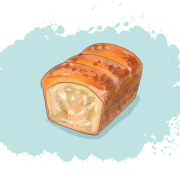
Babka

Babka

Yufka

Yufka

Pita

Pita

Bun

Bun

Bolani

Bolani

Bagel

Bagel

Rusk

Rusk

Chapati

Chapati

Sourdough

Sourdough

Damper

Damper

Breadstick

Breadstick

Zopf

Zopf

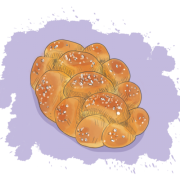
Challah

Challah

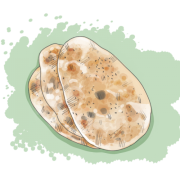
Naan

Naan

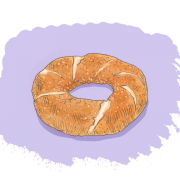
Simit

Simit

Brioche

Brioche

Bread

Bread

Baguette - Food and Drinks

40 chapters
levelbeginner

Learn English through easy and interesting readings about bread, discovering different types and traditions from around the world!

Vocabulary
1.
sandwich
[n]
/ˈsændwɪʧ/
2.
stick
[n]
/stɪk/
3.
inch
[n]
/ɪnʧ/
4.
round
[adj]
/raʊnd/
5.
thick
[adj]
/θɪk/
6.
creation
[n]
/kɹiˈeɪʃən/
7.
bake
[v]
/beɪk/
8.
ingredient
[n]
/ˌɪnˈɡɹidiənt/
9.
flour
[n]
/ˈfɫaʊɝ/, /ˈfɫaʊɹ/
10.
water
[n]
/ˈwɑːtɚ/
11.
yeast
[n]
/ˈjist/
12.
salt
[n]
/sɔːlt/
13.
dough
[n]
/ˈdoʊ/
14.
rise
[v]
/raɪz/
15.
bakery
[n]
/ˈbeɪkɝi/
16.
culture
[n]
/ˈkʌltʃɚ/
17.
meal
[n]
/miːl/
18.
important
[adj]
/ɪmˈpɔrtənt/
19.
favorite
[adj]
/ˈfeɪvɚɪt/
20.
vegetable
[n]
/ˈvɛdʒtəbl/
21.
tasty
[adj]
/ˈteɪsti/
22.
meal
[n]
/miːl/
23.
competition
[n]
/ˌkɑmpəˈtɪʃən/
24.
Grand Prix
[n]
/ɡɹˈænd pɹˈiː/
25.
year
[n]
/jɪr/
26.
winner
[n]
/ˈwɪnɚ/
27.
prize
[n]
/praɪz/
28.
choose
[v]
/tʃuːz/
29.
baguette
[n]
/ˌbæˈɡɛt/
30.
bread
[n]
/brɛd/
31.
popular
[adj]
/ˈpɑpjələr/
32.
France
[n]
/fræns/
33.
thin
[adj]
/θɪn/
34.
crisp
[adj]
/ˈkɹɪsp/
35.
crust
[n]
/ˈkɹəst/
36.
all over the (world|globe)
[phrase]
/ˈɔːl ˌoʊvɚ ðə wˈɜːld ɔːɹ ɡlˈoʊb/
37.
enjoy
[v]
/ɪnˈʤɔɪ/
38.
cheese
[n]
/tʃiːz/
39.
butter
[n]
/ˈbʌtɚ/
40.
jam
[n]
/dʒæm/

1.
sandwich
[n]
/ˈsændwɪʧ/
2.
stick
[n]
/stɪk/
3.
inch
[n]
/ɪnʧ/
4.
round
[adj]
/raʊnd/
5.
thick
[adj]
/θɪk/
6.
creation
[n]
/kɹiˈeɪʃən/
7.
bake
[v]
/beɪk/
8.
ingredient
[n]
/ˌɪnˈɡɹidiənt/
9.
flour
[n]
/ˈfɫaʊɝ/, /ˈfɫaʊɹ/
10.
water
[n]
/ˈwɑːtɚ/
11.
yeast
[n]
/ˈjist/
12.
salt
[n]
/sɔːlt/
13.
dough
[n]
/ˈdoʊ/
14.
rise
[v]
/raɪz/
15.
bakery
[n]
/ˈbeɪkɝi/
16.
culture
[n]
/ˈkʌltʃɚ/
17.
meal
[n]
/miːl/
18.
important
[adj]
/ɪmˈpɔrtənt/
19.
favorite
[adj]
/ˈfeɪvɚɪt/
20.
vegetable
[n]
/ˈvɛdʒtəbl/
21.
tasty
[adj]
/ˈteɪsti/
22.
meal
[n]
/miːl/
23.
competition
[n]
/ˌkɑmpəˈtɪʃən/
24.
Grand Prix
[n]
/ɡɹˈænd pɹˈiː/
25.
year
[n]
/jɪr/
26.
winner
[n]
/ˈwɪnɚ/
27.
prize
[n]
/praɪz/
28.
choose
[v]
/tʃuːz/
29.
baguette
[n]
/ˌbæˈɡɛt/
30.
bread
[n]
/brɛd/
31.
popular
[adj]
/ˈpɑpjələr/
32.
France
[n]
/fræns/
33.
thin
[adj]
/θɪn/
34.
crisp
[adj]
/ˈkɹɪsp/
35.
crust
[n]
/ˈkɹəst/
36.
all over the (world|globe)
[phrase]
/ˈɔːl ˌoʊvɚ ðə wˈɜːld ɔːɹ ɡlˈoʊb/
37.
enjoy
[v]
/ɪnˈʤɔɪ/
38.
cheese
[n]
/tʃiːz/
39.
butter
[n]
/ˈbʌtɚ/
40.
jam
[n]
/dʒæm/
1.
sandwich
[n]
/ˈsændwɪʧ/
kanapka
2.
stick
[n]
/stɪk/
laska
3.
inch
[n]
/ɪnʧ/
cal
4.
round
[adj]
/raʊnd/
okrągły
5.
thick
[adj]
/θɪk/
gruby
6.
creation
[n]
/kɹiˈeɪʃən/
stworzenie
7.
bake
[v]
/beɪk/
piec
8.
ingredient
[n]
/ˌɪnˈɡɹidiənt/
składnik
9.
flour
[n]
/ˈfɫaʊɝ/, /ˈfɫaʊɹ/
mąka
10.
water
[n]
/ˈwɑːtɚ/
woda
11.
yeast
[n]
/ˈjist/
drożdże
12.
salt
[n]
/sɔːlt/
sól
13.
dough
[n]
/ˈdoʊ/
ciasto
14.
rise
[v]
/raɪz/
rosnąć
15.
bakery
[n]
/ˈbeɪkɝi/
piekarnia
16.
culture
[n]
/ˈkʌltʃɚ/
kultura
17.
meal
[n]
/miːl/
the food that we eat regularly during different times of day, such as breakfast, lunch, or dinner
18.
important
[adj]
/ɪmˈpɔrtənt/
ważny
19.
favorite
[adj]
/ˈfeɪvɚɪt/
ulubiony
20.
vegetable
[n]
/ˈvɛdʒtəbl/
warzywo
21.
tasty
[adj]
/ˈteɪsti/
smaczny
22.
meal
[n]
/miːl/
posiłek
23.
competition
[n]
/ˌkɑmpəˈtɪʃən/
zawody
24.
Grand Prix
[n]
/ɡɹˈænd pɹˈiː/
Grand Prix
25.
year
[n]
/jɪr/
rok
26.
winner
[n]
/ˈwɪnɚ/
zwycięzca
27.
prize
[n]
/praɪz/
nagroda
28.
choose
[v]
/tʃuːz/
wybierać
29.
baguette
[n]
/ˌbæˈɡɛt/
bagietka
30.
bread
[n]
/brɛd/
chleb
31.
popular
[adj]
/ˈpɑpjələr/
popularny
32.
France
[n]
/fræns/
Francja
33.
thin
[adj]
/θɪn/
cienki
34.
crisp
[adj]
/ˈkɹɪsp/
chrupiący
35.
crust
[n]
/ˈkɹəst/
skorupa
36.
all over the (world|globe)
[phrase]
/ˈɔːl ˌoʊvɚ ðə wˈɜːld ɔːɹ ɡlˈoʊb/
in every part of the world
37.
enjoy
[v]
/ɪnˈʤɔɪ/
cieszyć się
38.
cheese
[n]
/tʃiːz/
ser
39.
butter
[n]
/ˈbʌtɚ/
masło
40.
jam
[n]
/dʒæm/
dżem

1

rozdział

star
Baguette 
Read a short passage about how a long, crispy loaf became a classic French bread. 
1.1
A baguette is a type of bread that is very popular in France.  It is long and thin with a crisp crust.  People all over the world enjoy eating baguettes.  They are often eaten with cheese, butter, or jams.  Sometimes, they are used to make sandwiches. 

Baguette to rodzaj chleba, który jest bardzo popularny we Francji. Jest długi i cienki z chrupiącą skórką. Ludzie na całym świecie uwielbiają jeść bagietki. Często są jedzone z serem, masłem lub dżemem. Czasami są używane do robienia kanapek.

1.2
The word "baguette" means "stick" in French.  This name comes from the bread's long, stick-like shape.  Baguettes are usually about 26 inches long but can be shorter or longer. 

Słowo "bagietka" oznacza "kij" po francusku. Ta nazwa pochodzi od długiego, przypominającego kij kształtu chleba. Bagiety mają zazwyczaj około 26 cali długości, ale mogą być krótsze lub dłuższe.

1.3
Baguettes were first made in the 1920s in France.  Before this, French breads were round and thick.  The creation of the baguette changed how people enjoyed bread.  Its shape and size made it easy to bake and eat. 

Baguette po raz pierwszy zostały wykonane w latach 20. XX wieku we Francji. Wcześniej francuskie pieczywo było okrągłe i grube. Stworzenie bagietki zmieniło sposób, w jaki ludzie cieszyli się chlebem. Jego kształt i rozmiar ułatwiały pieczenie i jedzenie.

ThumbnailPhoto
1.4
Making a baguette involves simple ingredients: flour, water, yeast, and salt.  The dough is kneaded and then shaped into long pieces.  These pieces are left to rise.  This is when the dough becomes bigger and softer.  After rising, the dough is baked until the outside is golden and crispy. 

Przygotowanie bagietki obejmuje proste składniki: mąkę, wodę, drożdże i sól. Ciasto jest wyrabiane, a następnie formowane w długie kawałki. Te kawałki pozostawia się do wyrośnięcia. Wtedy ciasto staje się większe i bardziej miękkie. Po wyrośnięciu ciasto jest pieczone, aż zewnętrzna część będzie złota i chrupiąca.

1.5
People in France buy baguettes fresh from bakeries almost every day.  In French culture, having fresh bread like this at meals is very important.  Baguettes are part of daily life in France. 

Ludzie we Francji kupują świeże bagietki w piekarniach prawie codziennie. We francuskiej kulturze bardzo ważne jest, aby mieć tak świeży chleb podczas posiłków. Bagietki są częścią codziennego życia we Francji.

1.6
A fun way to enjoy a baguette is to fill it with your favorite ingredients.  You can put in meats, cheeses, or vegetables.  This makes a tasty meal that is easy to carry and eat. 

Zabawnym sposobem na cieszenie się bagietką jest nadziewanie jej ulubionymi składnikami. Możesz włożyć mięso, sery lub warzywa. To sprawia, że jest to smaczny posiłek, który łatwo nosić i jeść.

1.7
Fun fact: There is a special competition in France called the "Grand Prix de la Baguette."  Every year, bakers from all over Paris make their best baguettes.  A group of judges tastes them and chooses the best one.  The winner gets a prize and becomes very famous.  This shows how important baguettes are to French people. 

**Ciekawostka**: We Francji istnieje specjalny konkurs o nazwie "Grand Prix de la Baguette". Co roku piekarze z całego Paryża przygotowują swoje najlepsze bagietki. Grupa sędziów próbuje je i wybiera najlepszą. Zwycięzca otrzymuje nagrodę i staje się bardzo sławny. To pokazuje, jak ważne są bagietki dla Francuzów.

1. Baguette

1. Baguette

Bread


100%
1.

Which one is TRUE?

A

Baguettes are usually short and round.

B

Baguettes are often used for sandwiches.

C

Baguettes are made with milk and eggs.

D

Baguettes are only eaten on holidays.

2.

What does the word "baguette" mean in French?

A

Bread

B

Stick

C

Roll

D

Crumb

3.

Fill in the blanks with the correct words (Three options are extra).

A baguette is a type of

.

The dough is shaped into

pieces.

Baguettes are often eaten with

.

The outside of a baguette is

.

bread
long
butter
crispy
mustard
cake
flat
4.

Sort the steps of making a Baguette in the correct order:

knead and shape the dough
use flour, water, yeast, and salt
bake until golden
let the dough rise
5.

Which one is FALSE?

A

Baguettes were first made in the 1920s.

B

Baguettes are popular in France.

C

The dough does not need to rise before baking.

D

Baguettes are baked until golden and crispy.

6.

Why is the Grand Prix de la Baguette important?

A

It celebrates how important baguettes are in French life

B

It helps bakers sell baguettes worldwide

C

It gives free bread to all of France

D

It is a race for the fastest bakery

patternpatternpatternpatternpatternpattern