Baguette

Baguette

Ciabatta

Ciabatta

Tortilla

Tortilla

Lavash

Lavash

Babka

Babka

Yufka

Yufka

Pita

Pita

Bun

Bun

Bolani

Bolani

Bagel

Bagel

Rusk

Rusk

Chapati

Chapati

Sourdough

Sourdough

Damper

Damper

Breadstick

Breadstick

Zopf

Zopf

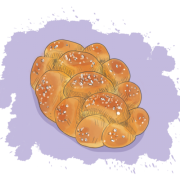
Challah

Challah

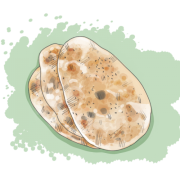
Naan

Naan

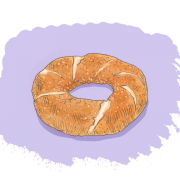
Simit

Simit

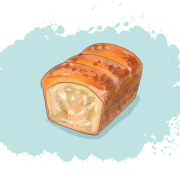
Brioche

Brioche

Bread

Bread

Baguette - Food and Drinks

40 chapters
levelbeginner

Learn English through easy and interesting readings about bread, discovering different types and traditions from around the world!

Vocabulary
1.
sandwich
[n]
/ˈsændwɪʧ/
2.
stick
[n]
/stɪk/
3.
inch
[n]
/ɪnʧ/
4.
round
[adj]
/raʊnd/
5.
thick
[adj]
/θɪk/
6.
creation
[n]
/kɹiˈeɪʃən/
7.
bake
[v]
/beɪk/
8.
ingredient
[n]
/ˌɪnˈɡɹidiənt/
9.
flour
[n]
/ˈfɫaʊɝ/, /ˈfɫaʊɹ/
10.
water
[n]
/ˈwɑːtɚ/
11.
yeast
[n]
/ˈjist/
12.
salt
[n]
/sɔːlt/
13.
dough
[n]
/ˈdoʊ/
14.
rise
[v]
/raɪz/
15.
bakery
[n]
/ˈbeɪkɝi/
16.
culture
[n]
/ˈkʌltʃɚ/
17.
meal
[n]
/miːl/
18.
important
[adj]
/ɪmˈpɔrtənt/
19.
favorite
[adj]
/ˈfeɪvɚɪt/
20.
vegetable
[n]
/ˈvɛdʒtəbl/
21.
tasty
[adj]
/ˈteɪsti/
22.
meal
[n]
/miːl/
23.
competition
[n]
/ˌkɑmpəˈtɪʃən/
24.
Grand Prix
[n]
/ɡɹˈænd pɹˈiː/
25.
year
[n]
/jɪr/
26.
winner
[n]
/ˈwɪnɚ/
27.
prize
[n]
/praɪz/
28.
choose
[v]
/tʃuːz/
29.
baguette
[n]
/ˌbæˈɡɛt/
30.
bread
[n]
/brɛd/
31.
popular
[adj]
/ˈpɑpjələr/
32.
France
[n]
/fræns/
33.
thin
[adj]
/θɪn/
34.
crisp
[adj]
/ˈkɹɪsp/
35.
crust
[n]
/ˈkɹəst/
36.
all over the (world|globe)
[phrase]
/ˈɔːl ˌoʊvɚ ðə wˈɜːld ɔːɹ ɡlˈoʊb/
37.
enjoy
[v]
/ɪnˈʤɔɪ/
38.
cheese
[n]
/tʃiːz/
39.
butter
[n]
/ˈbʌtɚ/
40.
jam
[n]
/dʒæm/

1.
sandwich
[n]
/ˈsændwɪʧ/
2.
stick
[n]
/stɪk/
3.
inch
[n]
/ɪnʧ/
4.
round
[adj]
/raʊnd/
5.
thick
[adj]
/θɪk/
6.
creation
[n]
/kɹiˈeɪʃən/
7.
bake
[v]
/beɪk/
8.
ingredient
[n]
/ˌɪnˈɡɹidiənt/
9.
flour
[n]
/ˈfɫaʊɝ/, /ˈfɫaʊɹ/
10.
water
[n]
/ˈwɑːtɚ/
11.
yeast
[n]
/ˈjist/
12.
salt
[n]
/sɔːlt/
13.
dough
[n]
/ˈdoʊ/
14.
rise
[v]
/raɪz/
15.
bakery
[n]
/ˈbeɪkɝi/
16.
culture
[n]
/ˈkʌltʃɚ/
17.
meal
[n]
/miːl/
18.
important
[adj]
/ɪmˈpɔrtənt/
19.
favorite
[adj]
/ˈfeɪvɚɪt/
20.
vegetable
[n]
/ˈvɛdʒtəbl/
21.
tasty
[adj]
/ˈteɪsti/
22.
meal
[n]
/miːl/
23.
competition
[n]
/ˌkɑmpəˈtɪʃən/
24.
Grand Prix
[n]
/ɡɹˈænd pɹˈiː/
25.
year
[n]
/jɪr/
26.
winner
[n]
/ˈwɪnɚ/
27.
prize
[n]
/praɪz/
28.
choose
[v]
/tʃuːz/
29.
baguette
[n]
/ˌbæˈɡɛt/
30.
bread
[n]
/brɛd/
31.
popular
[adj]
/ˈpɑpjələr/
32.
France
[n]
/fræns/
33.
thin
[adj]
/θɪn/
34.
crisp
[adj]
/ˈkɹɪsp/
35.
crust
[n]
/ˈkɹəst/
36.
all over the (world|globe)
[phrase]
/ˈɔːl ˌoʊvɚ ðə wˈɜːld ɔːɹ ɡlˈoʊb/
37.
enjoy
[v]
/ɪnˈʤɔɪ/
38.
cheese
[n]
/tʃiːz/
39.
butter
[n]
/ˈbʌtɚ/
40.
jam
[n]
/dʒæm/
1.
sandwich
[n]
/ˈsændwɪʧ/
sanduíche
2.
stick
[n]
/stɪk/
bengala
3.
inch
[n]
/ɪnʧ/
polegada
4.
round
[adj]
/raʊnd/
redondo
5.
thick
[adj]
/θɪk/
grosso
6.
creation
[n]
/kɹiˈeɪʃən/
criação
7.
bake
[v]
/beɪk/
assar
8.
ingredient
[n]
/ˌɪnˈɡɹidiənt/
ingrediente
9.
flour
[n]
/ˈfɫaʊɝ/, /ˈfɫaʊɹ/
farinha
10.
water
[n]
/ˈwɑːtɚ/
água
11.
yeast
[n]
/ˈjist/
levedura
12.
salt
[n]
/sɔːlt/
sal
13.
dough
[n]
/ˈdoʊ/
massa
14.
rise
[v]
/raɪz/
levantar
15.
bakery
[n]
/ˈbeɪkɝi/
padaria
16.
culture
[n]
/ˈkʌltʃɚ/
cultura
17.
meal
[n]
/miːl/
the food that we eat regularly during different times of day, such as breakfast, lunch, or dinner
18.
important
[adj]
/ɪmˈpɔrtənt/
importante
19.
favorite
[adj]
/ˈfeɪvɚɪt/
favorito
20.
vegetable
[n]
/ˈvɛdʒtəbl/
legume
21.
tasty
[adj]
/ˈteɪsti/
delicioso
22.
meal
[n]
/miːl/
refeição
23.
competition
[n]
/ˌkɑmpəˈtɪʃən/
competição
24.
Grand Prix
[n]
/ɡɹˈænd pɹˈiː/
Grande Prêmio
25.
year
[n]
/jɪr/
ano
26.
winner
[n]
/ˈwɪnɚ/
vencedor
27.
prize
[n]
/praɪz/
prêmio
28.
choose
[v]
/tʃuːz/
escolher
29.
baguette
[n]
/ˌbæˈɡɛt/
baguete
30.
bread
[n]
/brɛd/
pão
31.
popular
[adj]
/ˈpɑpjələr/
popular
32.
France
[n]
/fræns/
França
33.
thin
[adj]
/θɪn/
fino
34.
crisp
[adj]
/ˈkɹɪsp/
crocante
35.
crust
[n]
/ˈkɹəst/
crosta
36.
all over the (world|globe)
[phrase]
/ˈɔːl ˌoʊvɚ ðə wˈɜːld ɔːɹ ɡlˈoʊb/
in every part of the world
37.
enjoy
[v]
/ɪnˈʤɔɪ/
desfrutar
38.
cheese
[n]
/tʃiːz/
queijo
39.
butter
[n]
/ˈbʌtɚ/
manteiga
40.
jam
[n]
/dʒæm/
geleia

1

capítulo

star
Baguette 
Read a short passage about how a long, crispy loaf became a classic French bread. 
1.1
A baguette is a type of bread that is very popular in France.  It is long and thin with a crisp crust.  People all over the world enjoy eating baguettes.  They are often eaten with cheese, butter, or jams.  Sometimes, they are used to make sandwiches. 

Uma baguete é um tipo de pão muito popular na França. É longo e fino com uma crosta crocante. Pessoas de todo o mundo gostam de comer baguetes. Elas são frequentemente comidas com queijo, manteiga ou geleias. Às vezes, são usadas para fazer sanduíches.

1.2
The word "baguette" means "stick" in French.  This name comes from the bread's long, stick-like shape.  Baguettes are usually about 26 inches long but can be shorter or longer. 

A palavra "baguete" significa "vara" em francês. Este nome vem da forma longa e semelhante a uma vara do pão. As baguetes geralmente têm cerca de 26 polegadas de comprimento, mas podem ser mais curtas ou mais longas.

1.3
Baguettes were first made in the 1920s in France.  Before this, French breads were round and thick.  The creation of the baguette changed how people enjoyed bread.  Its shape and size made it easy to bake and eat. 

As baguetes foram feitas pela primeira vez na década de 1920 na França. Antes disso, os pães franceses eram redondos e grossos. A criação da baguete mudou a forma como as pessoas apreciavam o pão. Sua forma e tamanho tornavam fácil assar e comer.

ThumbnailPhoto
1.4
Making a baguette involves simple ingredients: flour, water, yeast, and salt.  The dough is kneaded and then shaped into long pieces.  These pieces are left to rise.  This is when the dough becomes bigger and softer.  After rising, the dough is baked until the outside is golden and crispy. 

Fazer uma baguete envolve ingredientes simples: farinha, água, fermento e sal. A massa é sovada e depois moldada em pedaços longos. Esses pedaços são deixados para crescer. É quando a massa fica maior e mais macia. Depois de crescer, a massa é assada até que o exterior esteja dourado e crocante.

1.5
People in France buy baguettes fresh from bakeries almost every day.  In French culture, having fresh bread like this at meals is very important.  Baguettes are part of daily life in France. 

As pessoas na França compram baguetes frescas em padarias quase todos os dias. Na cultura francesa, é muito importante ter pão fresco como este nas refeições. As baguetes fazem parte do dia a dia na França.

1.6
A fun way to enjoy a baguette is to fill it with your favorite ingredients.  You can put in meats, cheeses, or vegetables.  This makes a tasty meal that is easy to carry and eat. 

Uma maneira divertida de desfrutar de uma baguete é recheá-la com os seus ingredientes favoritos. Pode colocar carnes, queijos ou vegetais. Isto faz uma refeição saborosa que é fácil de transportar e comer.

1.7
Fun fact: There is a special competition in France called the "Grand Prix de la Baguette."  Every year, bakers from all over Paris make their best baguettes.  A group of judges tastes them and chooses the best one.  The winner gets a prize and becomes very famous.  This shows how important baguettes are to French people. 

**Facto divertido**: Há uma competição especial em França chamada "Grand Prix de la Baguette". Todos os anos, padeiros de toda Paris fazem os seus melhores baguetes. Um grupo de juízes prova-os e escolhe o melhor. O vencedor recebe um prémio e torna-se muito famoso. Isto mostra o quão importantes são os baguetes para os franceses.

1. Baguette

1. Baguette

Bread


100%
1.

Which one is TRUE?

A

Baguettes are usually short and round.

B

Baguettes are often used for sandwiches.

C

Baguettes are made with milk and eggs.

D

Baguettes are only eaten on holidays.

2.

What does the word "baguette" mean in French?

A

Bread

B

Stick

C

Roll

D

Crumb

3.

Fill in the blanks with the correct words (Three options are extra).

A baguette is a type of

.

The dough is shaped into

pieces.

Baguettes are often eaten with

.

The outside of a baguette is

.

bread
long
butter
crispy
mustard
cake
flat
4.

Sort the steps of making a Baguette in the correct order:

bake until golden
knead and shape the dough
let the dough rise
use flour, water, yeast, and salt
5.

Which one is FALSE?

A

Baguettes were first made in the 1920s.

B

Baguettes are popular in France.

C

The dough does not need to rise before baking.

D

Baguettes are baked until golden and crispy.

6.

Why is the Grand Prix de la Baguette important?

A

It celebrates how important baguettes are in French life

B

It helps bakers sell baguettes worldwide

C

It gives free bread to all of France

D

It is a race for the fastest bakery

patternpatternpatternpatternpatternpattern