Baguette

Baguette

Ciabatta

Ciabatta

Tortilla

Tortilla

Lavash

Lavash

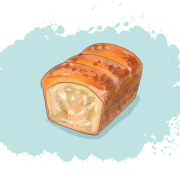
Babka

Babka

Yufka

Yufka

Pita

Pita

Bun

Bun

Bolani

Bolani

Bagel

Bagel

Rusk

Rusk

Chapati

Chapati

Sourdough

Sourdough

Damper

Damper

Breadstick

Breadstick

Zopf

Zopf

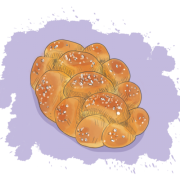
Challah

Challah

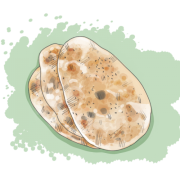
Naan

Naan

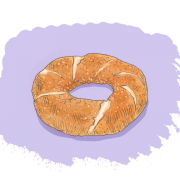
Simit

Simit

Brioche

Brioche

Bread

Bread

Baguette - Food and Drinks

40 chapters
levelbeginner

Learn English through easy and interesting readings about bread, discovering different types and traditions from around the world!

Vocabulary
1.
sandwich
[n]
/ˈsændwɪʧ/
2.
stick
[n]
/stɪk/
3.
inch
[n]
/ɪnʧ/
4.
round
[adj]
/raʊnd/
5.
thick
[adj]
/θɪk/
6.
creation
[n]
/kɹiˈeɪʃən/
7.
bake
[v]
/beɪk/
8.
ingredient
[n]
/ˌɪnˈɡɹidiənt/
9.
flour
[n]
/ˈfɫaʊɝ/, /ˈfɫaʊɹ/
10.
water
[n]
/ˈwɑːtɚ/
11.
yeast
[n]
/ˈjist/
12.
salt
[n]
/sɔːlt/
13.
dough
[n]
/ˈdoʊ/
14.
rise
[v]
/raɪz/
15.
bakery
[n]
/ˈbeɪkɝi/
16.
culture
[n]
/ˈkʌltʃɚ/
17.
meal
[n]
/miːl/
18.
important
[adj]
/ɪmˈpɔrtənt/
19.
favorite
[adj]
/ˈfeɪvɚɪt/
20.
vegetable
[n]
/ˈvɛdʒtəbl/
21.
tasty
[adj]
/ˈteɪsti/
22.
meal
[n]
/miːl/
23.
competition
[n]
/ˌkɑmpəˈtɪʃən/
24.
Grand Prix
[n]
/ɡɹˈænd pɹˈiː/
25.
year
[n]
/jɪr/
26.
winner
[n]
/ˈwɪnɚ/
27.
prize
[n]
/praɪz/
28.
choose
[v]
/tʃuːz/
29.
baguette
[n]
/ˌbæˈɡɛt/
30.
bread
[n]
/brɛd/
31.
popular
[adj]
/ˈpɑpjələr/
32.
France
[n]
/fræns/
33.
thin
[adj]
/θɪn/
34.
crisp
[adj]
/ˈkɹɪsp/
35.
crust
[n]
/ˈkɹəst/
36.
all over the (world|globe)
[phrase]
/ˈɔːl ˌoʊvɚ ðə wˈɜːld ɔːɹ ɡlˈoʊb/
37.
enjoy
[v]
/ɪnˈʤɔɪ/
38.
cheese
[n]
/tʃiːz/
39.
butter
[n]
/ˈbʌtɚ/
40.
jam
[n]
/dʒæm/

1.
sandwich
[n]
/ˈsændwɪʧ/
2.
stick
[n]
/stɪk/
3.
inch
[n]
/ɪnʧ/
4.
round
[adj]
/raʊnd/
5.
thick
[adj]
/θɪk/
6.
creation
[n]
/kɹiˈeɪʃən/
7.
bake
[v]
/beɪk/
8.
ingredient
[n]
/ˌɪnˈɡɹidiənt/
9.
flour
[n]
/ˈfɫaʊɝ/, /ˈfɫaʊɹ/
10.
water
[n]
/ˈwɑːtɚ/
11.
yeast
[n]
/ˈjist/
12.
salt
[n]
/sɔːlt/
13.
dough
[n]
/ˈdoʊ/
14.
rise
[v]
/raɪz/
15.
bakery
[n]
/ˈbeɪkɝi/
16.
culture
[n]
/ˈkʌltʃɚ/
17.
meal
[n]
/miːl/
18.
important
[adj]
/ɪmˈpɔrtənt/
19.
favorite
[adj]
/ˈfeɪvɚɪt/
20.
vegetable
[n]
/ˈvɛdʒtəbl/
21.
tasty
[adj]
/ˈteɪsti/
22.
meal
[n]
/miːl/
23.
competition
[n]
/ˌkɑmpəˈtɪʃən/
24.
Grand Prix
[n]
/ɡɹˈænd pɹˈiː/
25.
year
[n]
/jɪr/
26.
winner
[n]
/ˈwɪnɚ/
27.
prize
[n]
/praɪz/
28.
choose
[v]
/tʃuːz/
29.
baguette
[n]
/ˌbæˈɡɛt/
30.
bread
[n]
/brɛd/
31.
popular
[adj]
/ˈpɑpjələr/
32.
France
[n]
/fræns/
33.
thin
[adj]
/θɪn/
34.
crisp
[adj]
/ˈkɹɪsp/
35.
crust
[n]
/ˈkɹəst/
36.
all over the (world|globe)
[phrase]
/ˈɔːl ˌoʊvɚ ðə wˈɜːld ɔːɹ ɡlˈoʊb/
37.
enjoy
[v]
/ɪnˈʤɔɪ/
38.
cheese
[n]
/tʃiːz/
39.
butter
[n]
/ˈbʌtɚ/
40.
jam
[n]
/dʒæm/
1.
sandwich
[n]
/ˈsændwɪʧ/
бутерброд
2.
stick
[n]
/stɪk/
трость
3.
inch
[n]
/ɪnʧ/
дюйм
4.
round
[adj]
/raʊnd/
круглый
5.
thick
[adj]
/θɪk/
толстый
6.
creation
[n]
/kɹiˈeɪʃən/
творение
7.
bake
[v]
/beɪk/
печь
8.
ingredient
[n]
/ˌɪnˈɡɹidiənt/
составная часть
9.
flour
[n]
/ˈfɫaʊɝ/, /ˈfɫaʊɹ/
мука
10.
water
[n]
/ˈwɑːtɚ/
вода
11.
yeast
[n]
/ˈjist/
дрожжи
12.
salt
[n]
/sɔːlt/
соль
13.
dough
[n]
/ˈdoʊ/
тесто
14.
rise
[v]
/raɪz/
подниматься
15.
bakery
[n]
/ˈbeɪkɝi/
пекарня
16.
culture
[n]
/ˈkʌltʃɚ/
культура
17.
meal
[n]
/miːl/
the food that we eat regularly during different times of day, such as breakfast, lunch, or dinner
18.
important
[adj]
/ɪmˈpɔrtənt/
важный
19.
favorite
[adj]
/ˈfeɪvɚɪt/
любимый
20.
vegetable
[n]
/ˈvɛdʒtəbl/
овощ
21.
tasty
[adj]
/ˈteɪsti/
вкусный
22.
meal
[n]
/miːl/
еда
23.
competition
[n]
/ˌkɑmpəˈtɪʃən/
соревнование
24.
Grand Prix
[n]
/ɡɹˈænd pɹˈiː/
гран-при
25.
year
[n]
/jɪr/
год
26.
winner
[n]
/ˈwɪnɚ/
победитель
27.
prize
[n]
/praɪz/
премия
28.
choose
[v]
/tʃuːz/
выбрать
29.
baguette
[n]
/ˌbæˈɡɛt/
багет
30.
bread
[n]
/brɛd/
хлеб
31.
popular
[adj]
/ˈpɑpjələr/
популярный
32.
France
[n]
/fræns/
Франция
33.
thin
[adj]
/θɪn/
тонкий
34.
crisp
[adj]
/ˈkɹɪsp/
хрустящий
35.
crust
[n]
/ˈkɹəst/
корка
36.
all over the (world|globe)
[phrase]
/ˈɔːl ˌoʊvɚ ðə wˈɜːld ɔːɹ ɡlˈoʊb/
in every part of the world
37.
enjoy
[v]
/ɪnˈʤɔɪ/
наслаждаться
38.
cheese
[n]
/tʃiːz/
сыр
39.
butter
[n]
/ˈbʌtɚ/
сливочное масло
40.
jam
[n]
/dʒæm/
варенье

1

глава

star
Baguette 
Read a short passage about how a long, crispy loaf became a classic French bread. 
1.1
A baguette is a type of bread that is very popular in France.  It is long and thin with a crisp crust.  People all over the world enjoy eating baguettes.  They are often eaten with cheese, butter, or jams.  Sometimes, they are used to make sandwiches. 

Багет — это вид хлеба, который очень популярен во Франции. Он длинный и тонкий с хрустящей корочкой. Люди по всему миру любят есть багеты. Их часто едят с сыром, маслом или джемами. Иногда их используют для приготовления бутербродов.

1.2
The word "baguette" means "stick" in French.  This name comes from the bread's long, stick-like shape.  Baguettes are usually about 26 inches long but can be shorter or longer. 

Слово "багет" означает "палка" по-французски. Это название происходит от длинной, похожей на палку формы хлеба. Багеты обычно имеют длину около 26 дюймов, но могут быть короче или длиннее.

1.3
Baguettes were first made in the 1920s in France.  Before this, French breads were round and thick.  The creation of the baguette changed how people enjoyed bread.  Its shape and size made it easy to bake and eat. 

Багеты впервые были изготовлены в 1920-х годах во Франции. До этого французский хлеб был круглым и толстым. Создание багета изменило то, как люди наслаждались хлебом. Его форма и размер сделали его легким для выпечки и употребления.

ThumbnailPhoto
1.4
Making a baguette involves simple ingredients: flour, water, yeast, and salt.  The dough is kneaded and then shaped into long pieces.  These pieces are left to rise.  This is when the dough becomes bigger and softer.  After rising, the dough is baked until the outside is golden and crispy. 

Приготовление багета включает простые ингредиенты: мука, вода, дрожжи и соль. Тесто замешивают, а затем формируют в длинные куски. Эти куски оставляют подниматься. Именно в этот момент тесто становится больше и мягче. После подъема тесто выпекают до тех пор, пока внешняя сторона не станет золотистой и хрустящей.

1.5
People in France buy baguettes fresh from bakeries almost every day.  In French culture, having fresh bread like this at meals is very important.  Baguettes are part of daily life in France. 

Люди во Франции покупают свежие багеты в пекарнях почти каждый день. Во французской культуре очень важно иметь такой свежий хлеб во время еды. Багеты являются частью повседневной жизни во Франции.

1.6
A fun way to enjoy a baguette is to fill it with your favorite ingredients.  You can put in meats, cheeses, or vegetables.  This makes a tasty meal that is easy to carry and eat. 

Веселый способ насладиться багетом — начинить его своими любимыми ингредиентами. Вы можете положить мясо, сыр или овощи. Это делает вкусную еду, которую легко носить с собой и есть.

1.7
Fun fact: There is a special competition in France called the "Grand Prix de la Baguette."  Every year, bakers from all over Paris make their best baguettes.  A group of judges tastes them and chooses the best one.  The winner gets a prize and becomes very famous.  This shows how important baguettes are to French people. 

**Интересный факт**: Во Франции есть специальное соревнование под названием "Grand Prix de la Baguette". Каждый год пекари со всего Парижа делают свои лучшие багеты. Группа судей пробует их и выбирает лучший. Победитель получает приз и становится очень известным. Это показывает, насколько важны багеты для французов.

1. Baguette

1. Baguette

Bread


100%
1.

Which one is TRUE?

A

Baguettes are usually short and round.

B

Baguettes are often used for sandwiches.

C

Baguettes are made with milk and eggs.

D

Baguettes are only eaten on holidays.

2.

What does the word "baguette" mean in French?

A

Bread

B

Stick

C

Roll

D

Crumb

3.

Fill in the blanks with the correct words (Three options are extra).

A baguette is a type of

.

The dough is shaped into

pieces.

Baguettes are often eaten with

.

The outside of a baguette is

.

bread
long
butter
crispy
mustard
cake
flat
4.

Sort the steps of making a Baguette in the correct order:

let the dough rise
bake until golden
use flour, water, yeast, and salt
knead and shape the dough
5.

Which one is FALSE?

A

Baguettes were first made in the 1920s.

B

Baguettes are popular in France.

C

The dough does not need to rise before baking.

D

Baguettes are baked until golden and crispy.

6.

Why is the Grand Prix de la Baguette important?

A

It celebrates how important baguettes are in French life

B

It helps bakers sell baguettes worldwide

C

It gives free bread to all of France

D

It is a race for the fastest bakery

patternpatternpatternpatternpatternpattern