
Словарь Немоторизованных Транспортных Средств - Травуа
Обзор
Флэш-карточки
формы
Правописание
Тест


a type of sled historically used by Native American tribes and early settlers to transport goods over land, consisting of two long poles attached at one end and dragged by a horse or dog

травуа, индейские сани
Племя Лакота использовало травуа для перевозки мяса бизонов и шкур обратно в свой лагерь.
related to Native Americans, their culture, or their languages
коренной американец, индейский
В музее были представлены артефакты коренных американцев из различных племен.
a long, typically cylindrical piece of wood, metal, or plastic, often used for support, fastening, or structural purposes
столб, шест
Забор был укреплен прочными столбами, чтобы выдерживать сильные ветры.
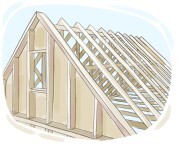
the structure of a building, piece of furniture, vehicle, etc. that supports and shapes it
каркас
Стальной каркас небоскреба был построен первым, чтобы обеспечить его устойчивость.

to physically connect or fasten something to another thing
прикреплять, присоединять
Прошлой ночью он прикрепил недостающую пуговицу к своей рубашке.
the part that is the most distant point of something
конец, край
to move in a slow and difficult manner
тащить, волочить
Раненый солдат отказался сдаваться и сумел доползти до безопасного места.
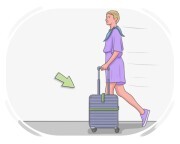
to hold someone or something and take them from one place to another
нести
Она использовала рюкзак, чтобы переносить свои книги в школу.
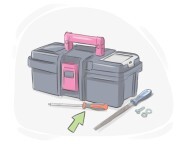
something such as a hammer, saw, etc. that is held in the hand and used for a specific job
инструмент
Плотник использовал молоток в качестве основного инструмента для забивания гвоздей.
a type of wheeled vehicle that can be drawn by an animal or a tractor, typically used for transporting goods, people, or equipment
повозка, вагон
Они загрузили сено в повозку, запряженную лошадьми, для перевозки в амбар.
any of the circular objects typically found under vehicles like cars, bicycles, buses, etc., used to make movement possible by turning
колесо, шина
Механик осмотрел колёса, чтобы убедиться, что они выровнены.
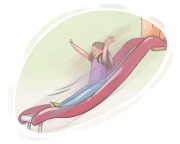
to move smoothly over a surface
скользить
Фигурист грациозно скользил по льду, оставляя след из изящных узоров.
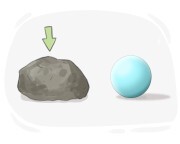
having an uneven or jagged texture
шероховатый
Его руки были мозолистыми и грубыми после многих лет физического труда.
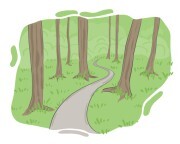
a way or track that is built or made by people walking over the same ground
путь
Велосипедисты и пешеходы делили тропу через парк.
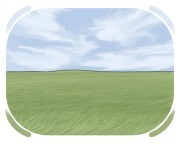
a large, open, and grass-covered area
поляна
Многие животные живут в обширной степи.
to become physically unable to leave or escape from a place or situation
Дверь заклинило, и мы застряли внутри комнаты на несколько минут.
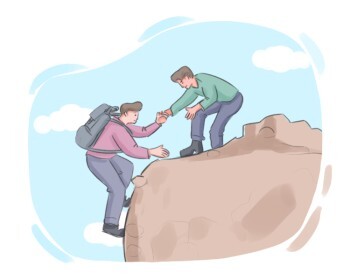
offering assistance or support, making tasks easier or problems more manageable for others
полезный
Его полезные советы сделали проект намного проще для завершения.
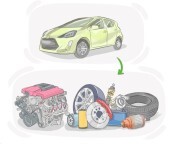
to disassemble or separate into its individual components or parts
разобрать
Мне нужно разобрать компьютер, чтобы починить внутренние компоненты.

to change one's place of residence or work
переезжать
Он переезжает в другую страну, чтобы продолжить свою карьеру.
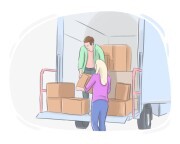
to fill or pack a space with the specified items
грузить
Грузовой самолет был загружен гуманитарными грузами для доставки в пострадавший район.
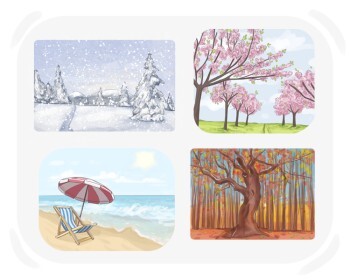
a period of time that a year is divided into, such as winter and summer, with each having three months
время года
Весенним сезоном мой сын любит плавать в бассейне.
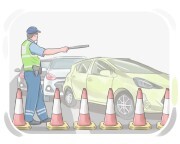
to place a temporary structure in a specific place
настроить
Из-за протеста полиция установила блокпост на Мэйн-стрит.
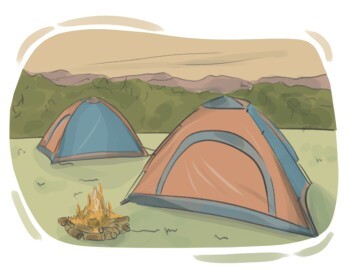
a location where people stay temporarily, typically in tents or temporary structures
кемпинг, лагерь
Скауты научились разбивать лагерь в лесу во время своей подготовки.
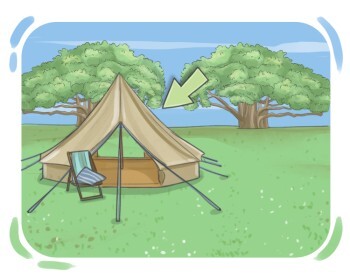
a shelter that usually consists of a long sheet of cloth, nylon, etc. supported by poles and ropes fixed to the ground, that we especially use for camping
палатка
В конце поездки мы сложили палатку и убрали её в сумку.
| Словарь Немоторизованных Транспортных Средств | |||
|---|---|---|---|
| Велосипед | Рикша | Колесница | Segway |
| Экипаж | Собачья Упряжка | Моноцикл | Самокат |
| Велосипед | Толкательные Сани | Драйзина | Бычья повозка |
| Трикке | Пенни-фартинг | Травуа | Handcycle |
| Кикбайк | Веломобиль | Велорикша | Тандемный Велосипед |
