
Vocabulario de Vehículos No Motorizados - Travois
Revisión
Tarjetas de memoria
formas
Ortografía
Cuestionario


a type of sled historically used by Native American tribes and early settlers to transport goods over land, consisting of two long poles attached at one end and dragged by a horse or dog

travois, trineo indígena
Los indios de las llanuras adaptaron sus diseños de travois dependiendo de si estaban cazando o moviendo su campamento.
related to Native Americans, their culture, or their languages
nativo americano, indígena americano
Las ceremonias tradicionales nativas americanas a menudo incluyen tambores y cantos.
a social group of families or communities connected by shared ancestry, culture, language, traditions, or leadership
a long, usually cylindrical piece of wood, metal, or similar material used especially for support or carrying something
poste, mástil
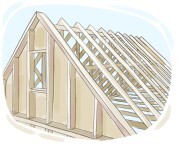
the structure of a building, piece of furniture, vehicle, etc. that supports and shapes it
armazón

to physically connect or fasten something to another thing
sujetar
the part that is the most distant point of something
final, extremo
to move in a slow and difficult manner
arrastrar, jalar
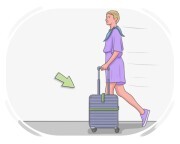
to hold someone or something and take them from one place to another
llevar
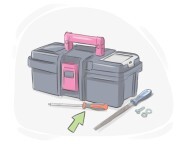
something such as a hammer, saw, etc. that is held in the hand and used for a specific job
herramienta
a type of wheeled vehicle that can be drawn by an animal or a tractor, typically used for transporting goods, people, or equipment
carro, vagón
La caravana de carros cruzó la pradera, llevando colonos y sus pertenencias a una nueva frontera.
any of the circular objects typically found under vehicles like cars, bicycles, buses, etc., used to make movement possible by turning
rueda, llanta
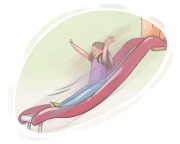
to move smoothly over a surface
deslizar
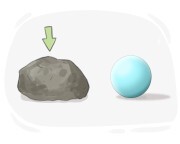
having an uneven or jagged texture
áspero
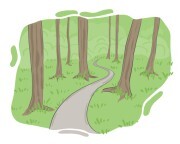
a way or track that is built or made by people walking over the same ground
camino

a large, open, and grass-covered area
pradera, pastizal
Los incendios pueden propagarse rápidamente en los prados secos.
to become physically unable to leave or escape from a place or situation
El coche se atascó en la arena durante el viaje a la playa y necesitó un remolque.
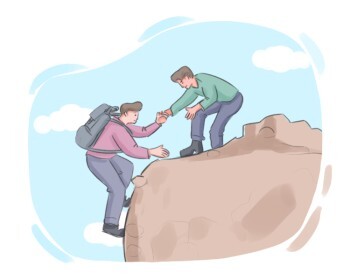
offering assistance or support, making tasks easier or problems more manageable for others
útil
La herramienta útil mejoró la productividad al simplificar las tareas.
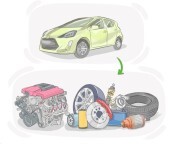
to disassemble or separate into its individual components or parts
desmontar, desarmar
A los niños les encanta desarmar sus juguetes y explorar cómo están hechos.
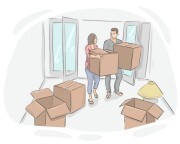
to change one's place of residence or work
mudarse, trasladarse
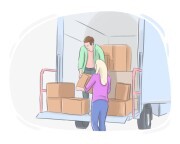
to fill or pack a space with the specified items
cargar
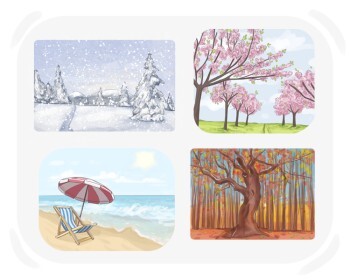
a period of time that a year is divided into, such as winter and summer, with each having three months
estación
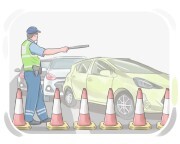
to place a temporary structure in a specific place
instalar, establecer
Los voluntarios llegaron temprano para montar los refugios para la población sin hogar, proporcionando un lugar seguro y cálido durante los meses de invierno.
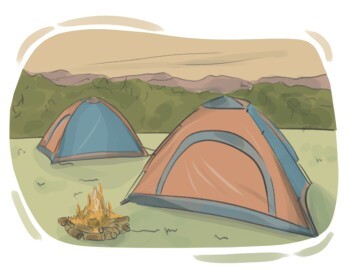
a location where people stay temporarily, typically in tents or temporary structures
campamento
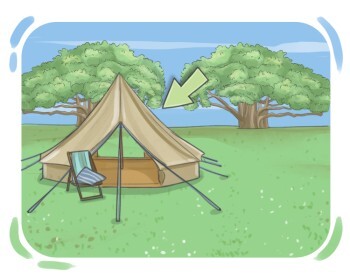
a portable shelter made of fabric stretched over poles or a frame, especially for camping
tienda de campaña
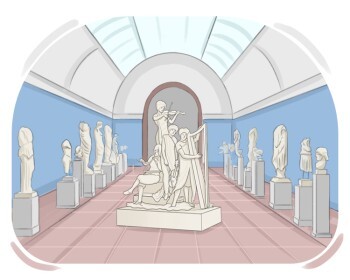
a place where important cultural, artistic, historical, or scientific objects are kept and shown to the public
museo
