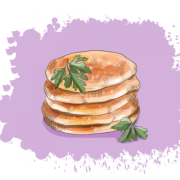
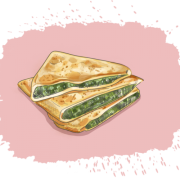
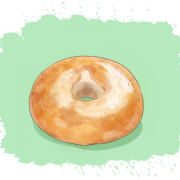
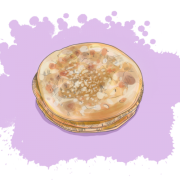
Baguette

Baguette

Ciabatta

Ciabatta

Tortilla

Tortilla

Lavash

Lavash

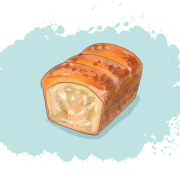
Babka

Babka

Yufka

Yufka

Pita

Pita

Bun

Bun

Bolani

Bolani

Bagel

Bagel

Rusk

Rusk

Chapati

Chapati

Sourdough

Sourdough

Damper

Damper

Breadstick

Breadstick

Zopf

Zopf

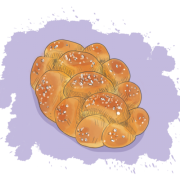
Challah

Challah

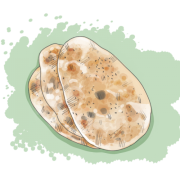
Naan

Naan

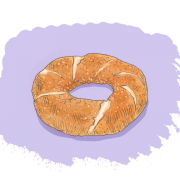
Simit

Simit

Brioche

Brioche

Bread

Bread

Baguette - Food and Drinks

40 chapters
levelbeginner

Learn English through easy and interesting readings about bread, discovering different types and traditions from around the world!

Vocabulary
1.
sandwich
[n]
/ˈsændwɪʧ/
2.
stick
[n]
/stɪk/
3.
inch
[n]
/ɪnʧ/
4.
round
[adj]
/raʊnd/
5.
thick
[adj]
/θɪk/
6.
creation
[n]
/kɹiˈeɪʃən/
7.
bake
[v]
/beɪk/
8.
ingredient
[n]
/ˌɪnˈɡɹidiənt/
9.
flour
[n]
/ˈfɫaʊɝ/, /ˈfɫaʊɹ/
10.
water
[n]
/ˈwɑːtɚ/
11.
yeast
[n]
/ˈjist/
12.
salt
[n]
/sɔːlt/
13.
dough
[n]
/ˈdoʊ/
14.
rise
[v]
/raɪz/
15.
bakery
[n]
/ˈbeɪkɝi/
16.
culture
[n]
/ˈkʌltʃɚ/
17.
meal
[n]
/miːl/
18.
important
[adj]
/ɪmˈpɔrtənt/
19.
favorite
[adj]
/ˈfeɪvɚɪt/
20.
vegetable
[n]
/ˈvɛdʒtəbl/
21.
tasty
[adj]
/ˈteɪsti/
22.
meal
[n]
/miːl/
23.
competition
[n]
/ˌkɑmpəˈtɪʃən/
24.
Grand Prix
[n]
/ɡɹˈænd pɹˈiː/
25.
year
[n]
/jɪr/
26.
winner
[n]
/ˈwɪnɚ/
27.
prize
[n]
/praɪz/
28.
choose
[v]
/tʃuːz/
29.
baguette
[n]
/ˌbæˈɡɛt/
30.
bread
[n]
/brɛd/
31.
popular
[adj]
/ˈpɑpjələr/
32.
France
[n]
/fræns/
33.
thin
[adj]
/θɪn/
34.
crisp
[adj]
/ˈkɹɪsp/
35.
crust
[n]
/ˈkɹəst/
36.
all over the (world|globe)
[phrase]
/ˈɔːl ˌoʊvɚ ðə wˈɜːld ɔːɹ ɡlˈoʊb/
37.
enjoy
[v]
/ɪnˈʤɔɪ/
38.
cheese
[n]
/tʃiːz/
39.
butter
[n]
/ˈbʌtɚ/
40.
jam
[n]
/dʒæm/

1.
sandwich
[n]
/ˈsændwɪʧ/
2.
stick
[n]
/stɪk/
3.
inch
[n]
/ɪnʧ/
4.
round
[adj]
/raʊnd/
5.
thick
[adj]
/θɪk/
6.
creation
[n]
/kɹiˈeɪʃən/
7.
bake
[v]
/beɪk/
8.
ingredient
[n]
/ˌɪnˈɡɹidiənt/
9.
flour
[n]
/ˈfɫaʊɝ/, /ˈfɫaʊɹ/
10.
water
[n]
/ˈwɑːtɚ/
11.
yeast
[n]
/ˈjist/
12.
salt
[n]
/sɔːlt/
13.
dough
[n]
/ˈdoʊ/
14.
rise
[v]
/raɪz/
15.
bakery
[n]
/ˈbeɪkɝi/
16.
culture
[n]
/ˈkʌltʃɚ/
17.
meal
[n]
/miːl/
18.
important
[adj]
/ɪmˈpɔrtənt/
19.
favorite
[adj]
/ˈfeɪvɚɪt/
20.
vegetable
[n]
/ˈvɛdʒtəbl/
21.
tasty
[adj]
/ˈteɪsti/
22.
meal
[n]
/miːl/
23.
competition
[n]
/ˌkɑmpəˈtɪʃən/
24.
Grand Prix
[n]
/ɡɹˈænd pɹˈiː/
25.
year
[n]
/jɪr/
26.
winner
[n]
/ˈwɪnɚ/
27.
prize
[n]
/praɪz/
28.
choose
[v]
/tʃuːz/
29.
baguette
[n]
/ˌbæˈɡɛt/
30.
bread
[n]
/brɛd/
31.
popular
[adj]
/ˈpɑpjələr/
32.
France
[n]
/fræns/
33.
thin
[adj]
/θɪn/
34.
crisp
[adj]
/ˈkɹɪsp/
35.
crust
[n]
/ˈkɹəst/
36.
all over the (world|globe)
[phrase]
/ˈɔːl ˌoʊvɚ ðə wˈɜːld ɔːɹ ɡlˈoʊb/
37.
enjoy
[v]
/ɪnˈʤɔɪ/
38.
cheese
[n]
/tʃiːz/
39.
butter
[n]
/ˈbʌtɚ/
40.
jam
[n]
/dʒæm/
1.
sandwich
[n]
/ˈsændwɪʧ/
sandviç
2.
stick
[n]
/stɪk/
baston
3.
inch
[n]
/ɪnʧ/
inç
4.
round
[adj]
/raʊnd/
yuvarlak
5.
thick
[adj]
/θɪk/
kalın
6.
creation
[n]
/kɹiˈeɪʃən/
yaratma
7.
bake
[v]
/beɪk/
pişirmek
8.
ingredient
[n]
/ˌɪnˈɡɹidiənt/
bileşen
9.
flour
[n]
/ˈfɫaʊɝ/, /ˈfɫaʊɹ/
un
10.
water
[n]
/ˈwɑːtɚ/
su
11.
yeast
[n]
/ˈjist/
maya
12.
salt
[n]
/sɔːlt/
tuz
13.
dough
[n]
/ˈdoʊ/
hamur
14.
rise
[v]
/raɪz/
kabarmak
15.
bakery
[n]
/ˈbeɪkɝi/
fırın
16.
culture
[n]
/ˈkʌltʃɚ/
kültür
17.
meal
[n]
/miːl/
the food that we eat regularly during different times of day, such as breakfast, lunch, or dinner
18.
important
[adj]
/ɪmˈpɔrtənt/
önemli
19.
favorite
[adj]
/ˈfeɪvɚɪt/
favori
20.
vegetable
[n]
/ˈvɛdʒtəbl/
sebze
21.
tasty
[adj]
/ˈteɪsti/
lezzetli
22.
meal
[n]
/miːl/
öğün
23.
competition
[n]
/ˌkɑmpəˈtɪʃən/
müsabaka
24.
Grand Prix
[n]
/ɡɹˈænd pɹˈiː/
Grand pri Yarışları
25.
year
[n]
/jɪr/
yıl
26.
winner
[n]
/ˈwɪnɚ/
kazanan
27.
prize
[n]
/praɪz/
ödül
28.
choose
[v]
/tʃuːz/
seçmek
29.
baguette
[n]
/ˌbæˈɡɛt/
baget
30.
bread
[n]
/brɛd/
ekmek
31.
popular
[adj]
/ˈpɑpjələr/
popüler
32.
France
[n]
/fræns/
Fransa
33.
thin
[adj]
/θɪn/
ince
34.
crisp
[adj]
/ˈkɹɪsp/
gevrek
35.
crust
[n]
/ˈkɹəst/
kabuk
36.
all over the (world|globe)
[phrase]
/ˈɔːl ˌoʊvɚ ðə wˈɜːld ɔːɹ ɡlˈoʊb/
in every part of the world
37.
enjoy
[v]
/ɪnˈʤɔɪ/
zevk almak
38.
cheese
[n]
/tʃiːz/
peynir
39.
butter
[n]
/ˈbʌtɚ/
tereyağı
40.
jam
[n]
/dʒæm/
reçel

1

bölüm

star
Baguette 
Read a short passage about how a long, crispy loaf became a classic French bread. 
1.1
A baguette is a type of bread that is very popular in France.  It is long and thin with a crisp crust.  People all over the world enjoy eating baguettes.  They are often eaten with cheese, butter, or jams.  Sometimes, they are used to make sandwiches. 

Bir baget, Fransa'da çok popüler olan bir ekmek türüdür. Uzun ve ince olup gevrek bir kabuğa sahiptir. Dünyanın her yerinden insanlar baget yemeyi sever. Genellikle peynir, tereyağı veya reçellerle birlikte yenir. Bazen sandviç yapmak için kullanılırlar.

1.2
The word "baguette" means "stick" in French.  This name comes from the bread's long, stick-like shape.  Baguettes are usually about 26 inches long but can be shorter or longer. 

"Baguette" kelimesi Fransızcada "çubuk" anlamına gelir. Bu isim, ekmeğin uzun, çubuk benzeri şeklinden gelir. Baguetteler genellikle yaklaşık 26 inç uzunluğundadır ancak daha kısa veya daha uzun olabilir.

1.3
Baguettes were first made in the 1920s in France.  Before this, French breads were round and thick.  The creation of the baguette changed how people enjoyed bread.  Its shape and size made it easy to bake and eat. 

Bagetler ilk kez 1920'lerde Fransa'da yapıldı. Bundan önce, Fransız ekmekleri yuvarlak ve kalındı. Bagetin yaratılması, insanların ekmeği nasıl sevdiğini değiştirdi. Şekli ve boyutu onu pişirmeyi ve yemeyi kolaylaştırdı.

ThumbnailPhoto
1.4
Making a baguette involves simple ingredients: flour, water, yeast, and salt.  The dough is kneaded and then shaped into long pieces.  These pieces are left to rise.  This is when the dough becomes bigger and softer.  After rising, the dough is baked until the outside is golden and crispy. 

Bir baget yapmak basit malzemeler gerektirir: un, su, maya ve tuz. Hamur yoğrulur ve ardından uzun parçalar halinde şekillendirilir. Bu parçalar kabarmaya bırakılır. İşte bu sırada hamur daha büyük ve yumuşak hale gelir. Kabarma işleminden sonra hamur, dışı altın rengi ve çıtır olana kadar pişirilir.

1.5
People in France buy baguettes fresh from bakeries almost every day.  In French culture, having fresh bread like this at meals is very important.  Baguettes are part of daily life in France. 

Fransa'daki insanlar neredeyse her gün fırınlardan taze baget alırlar. Fransız kültüründe, yemeklerde bu şekilde taze ekmek bulundurmak çok önemlidir. Bagetler, Fransa'da günlük hayatın bir parçasıdır.

1.6
A fun way to enjoy a baguette is to fill it with your favorite ingredients.  You can put in meats, cheeses, or vegetables.  This makes a tasty meal that is easy to carry and eat. 

Bir baget keyfini çıkarmanın eğlenceli bir yolu, en sevdiğiniz malzemelerle doldurmaktır. İçine etler, peynirler veya sebzeler koyabilirsiniz. Bu, taşıması ve yemesi kolay lezzetli bir öğün yapar.

1.7
Fun fact: There is a special competition in France called the "Grand Prix de la Baguette."  Every year, bakers from all over Paris make their best baguettes.  A group of judges tastes them and chooses the best one.  The winner gets a prize and becomes very famous.  This shows how important baguettes are to French people. 

**İlginç gerçek**: Fransa'da "Grand Prix de la Baguette" adında özel bir yarışma var. Her yıl, Paris'in her yerinden fırıncılar en iyi bagetlerini yaparlar. Bir jüri grubu bunları tadar ve en iyisini seçer. Kazanan bir ödül alır ve çok ünlü olur. Bu, bagetlerin Fransızlar için ne kadar önemli olduğunu gösterir.

1. Baguette

1. Baguette

Bread


100%
1.

Which one is TRUE?

A

Baguettes are usually short and round.

B

Baguettes are often used for sandwiches.

C

Baguettes are made with milk and eggs.

D

Baguettes are only eaten on holidays.

2.

What does the word "baguette" mean in French?

A

Bread

B

Stick

C

Roll

D

Crumb

3.

Fill in the blanks with the correct words (Three options are extra).

A baguette is a type of

.

The dough is shaped into

pieces.

Baguettes are often eaten with

.

The outside of a baguette is

.

bread
long
butter
crispy
mustard
cake
flat
4.

Sort the steps of making a Baguette in the correct order:

bake until golden
use flour, water, yeast, and salt
let the dough rise
knead and shape the dough
5.

Which one is FALSE?

A

Baguettes were first made in the 1920s.

B

Baguettes are popular in France.

C

The dough does not need to rise before baking.

D

Baguettes are baked until golden and crispy.

6.

Why is the Grand Prix de la Baguette important?

A

It celebrates how important baguettes are in French life

B

It helps bakers sell baguettes worldwide

C

It gives free bread to all of France

D

It is a race for the fastest bakery

patternpatternpatternpatternpatternpattern