pattern

Basic SIELE Vocabulary - Adverbs and Prepositions

Learn frequent Spanish adverbs and prepositions for expressing place, time, direction, frequency, quantity, and relationships between elements in a sentence.

Review

Flashcards

Spelling

Quiz

Start learning
SIELE vocabulario básico
también
también
[Adverb]

indica que algo se añade o se suma a lo mencionado anteriormente

also, too

also, too

Ex: Ellos también participaron en el concurso. 

They also participated in the contest.

Close
Sign in
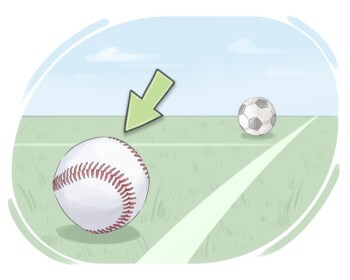
tampoco
tampoco
[Adverb]

indica que algo negativo también se aplica a otra persona o situación

neither, not… either

neither, not… either

Ex: Él no vino a la reunión y yo tampoco. 

He didn't come to the meeting, and neither did I.
Close
Sign in
aquí
aquí
[Adverb]

en este lugar

here

here

Ex: ¿Quieres sentarte aquí conmigo? 

Do you want to sit here with me?

Close
Sign in
ahí
ahí
[Adverb]

en ese lugar o punto, no cerca del hablante ni del oyente

there, over there

there, over there

Ex: Deja las llaves ahí. 

Leave the keys there.

Close
Sign in
allí
allí
[Adverb]

en ese lugar

there

there

Ex: Nos encontramos allí mañana. 

We'll meet there tomorrow.

Close
Sign in
ahora
ahora
[Adverb]

en este momento

now

now

Ex: Ahora no tengo dinero. 

I don't have money right now.

Close
Sign in
hoy
hoy
[Adverb]

el día actual, el día en que estamos

today

today

Ex: No tengo clases hoy. 

I don't have classes today.

Close
Sign in
mañana
mañana
[Adverb]

el día siguiente al día de hoy

tomorrow

tomorrow

Ex: ¿Qué vas a hacer mañana? 

What are you going to do tomorrow?

Close
Sign in
mucho
mucho
[Adjective]

indica gran cantidad de algo

a lot, many

a lot, many

Ex: Compramos muchas frutas en el mercado. 

We bought many fruits at the market.

Close
Sign in
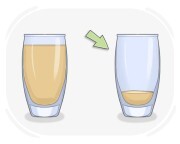
bastante
bastante
[Adjective]

que alcanza la cantidad o grado necesario

enough, sufficient

enough, sufficient

Ex: Compré bastante fruta para toda la semana. 

I bought enough fruit for the whole week.
Close
Sign in
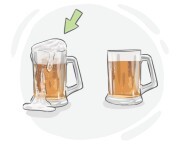
poco
poco
[Adjective]

que indica una cantidad pequeña de algo

little, few

little, few

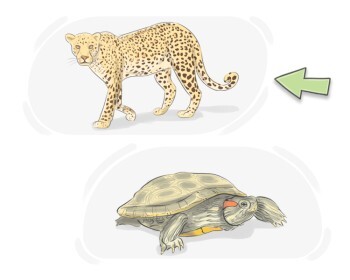
Ex: Queda poca comida en la nevera. 

There is little food left in the fridge.
Close
Sign in
demasiado
demasiado
[Adjective]

que es más de lo necesario o de lo adecuado

too much, too many

too much, too many

Ex: Ella come demasiada comida. 

She eats too much food.

Close
Sign in
casi
casi
[Adverb]

indica que algo está cerca de suceder o de ser cierto, pero no completamente

almost, nearly

almost, nearly

Ex: Casi me olvido de tu cumpleaños. 

I almost forgot your birthday.

Close
Sign in
pronto
pronto
[Adverb]

en poco tiempo o sin demora

soon, shortly

soon, shortly

Ex: Ella volverá pronto de viaje. 

She will return from the trip soon.

Close
Sign in
siempre
siempre
[Adverb]

en todo momento, todo el tiempo

always

always

Ex: Ella siempre llega temprano. 

She always arrives early.

Close
Sign in
después
después
[Adverb]

indica que algo ocurre en un momento posterior

later, afterwards

later, afterwards

Ex: Años después volvieron a encontrarse. 

Years later they met again.

Close
Sign in
rápido
rápido
[Adjective]

que se mueve, actúa o sucede con gran velocidad

fast, quick

fast, quick

Ex: El servicio fue rápido y eficiente. 

The service was fast and efficient.

Close
Sign in
desde
desde
[preposition]

indica el punto de origen en el espacio o en el tiempo

since

since

Ex: Trabajo  en esta empresa  desde enero . 

I have been working at this company since January.

Close
Sign in
hasta
hasta
[preposition]

indica límite en el tiempo, el espacio o la cantidad

until

until

Ex: Trabajó hasta el último momento. 

She worked until the last moment.

Close
Sign in
durante
durante
[preposition]

indica el tiempo en que ocurre algo

during

during

Ex: No hables durante la película. 

Don't talk during the movie.

Close
Sign in
antes de
antes de
[preposition]

indica que algo ocurre en un momento previo a otro evento

before, prior to

before, prior to

Ex: Debemos llegar antes de la película. 

We must arrive before the movie.

Close
Sign in
tras
tras
[preposition]

detrás de algo o alguien, siguiendo su posición o movimiento

after, following

after, following

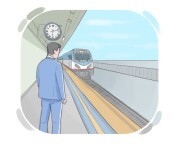
Ex: El tren viaja tras otro tren. 

The train travels after another train.

Close
Sign in
Basic SIELE Vocabulary
EvaluationAdverbs and PrepositionsVerbs
LanGeek
Download LanGeek app