

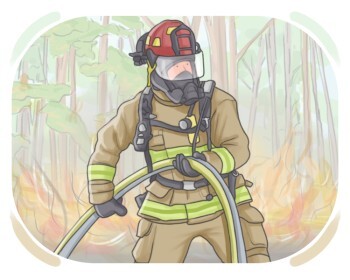
someone whose job is to put out fires and save people or animals from dangerous situations

hasič, záchranář
Komunita ocenila hasiče za jejich statečnost a oddanost během lesního požáru.

an unspecified or indeterminate time in the past, often used to introduce a past event or experience
jednoho dne, jednou
Jednoho dne jsem zaslechl rozhovor, který navždy změnil můj pohled.
to be told or receive information or news regarding something
slyšet, dozvědět se
Byl rád, když uslyšel, že jeho let nebyl zrušen.
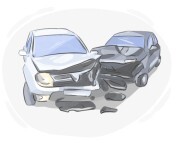
a situation where a car collides with something, such as another vehicle or other object
autonehoda, srážka aut
Po autonehodě byl řidič převezen do nemocnice k vyšetření a ošetření lehkých zranění.
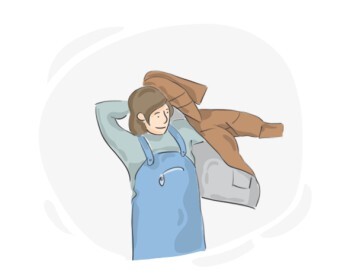
to place or wear something on the body, including clothes, accessories, etc.
nasadit, nosit
Nasadil náplast, aby zakryl řez.

clothing specifically designed to be worn while performing manual labor or other physical work
pracovní oblečení, pracovní oděv
a group of people working together towards a common goal or purpose
tým, skupina
Basketbalový tým trénoval každý den, aby zlepšil své dovednosti.
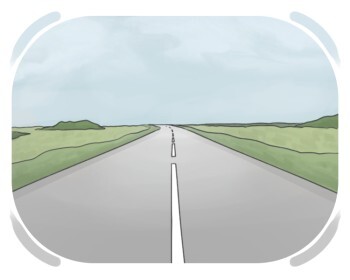
a wide path made for cars, buses, etc. to travel along
silnice, cesta
Jeli klikatou silnicí, aby se dostali na venkov.
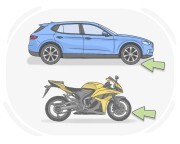
the part or surface of an object that is faced forward, seen first, or used first
předek, čelní strana
Stála v přední části fronty, aby koupila lístky na koncert.
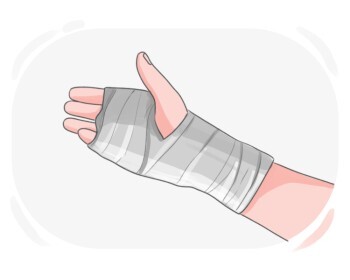
(of a thing) physically divided into pieces, because of being damaged, dropped, etc.
zlomený, rozbitý
Podívala se na rozbitou vázu, zarmoucená rozbitými kousky na podlaze.
used to indicate a small amount or quantity of something
trochu, málo
Mohl bych dostat trochu mléka do mého čaje?
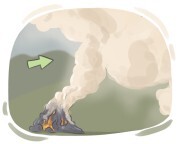
a cloud of chemicals produced by burning something
kouř, pára
Šéfkuchař odháněl kouř z pánve.
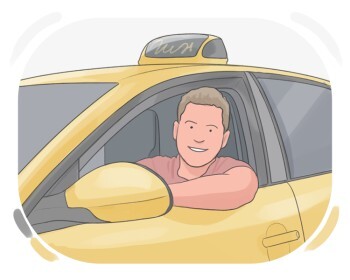
someone who drives a vehicle
řidič, šofér
Řidič Uberu se mě před zahájením cesty zeptal na cíl.
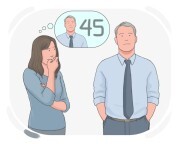
to have a particular appearance or give a particular impression
vypadat, zdát se

experiencing physical injury, particularly one sustained in battle or conflict
zraněný, poraněný
Sanitky spěchaly na pomoc zraněným mužům a ženám na bojišti.
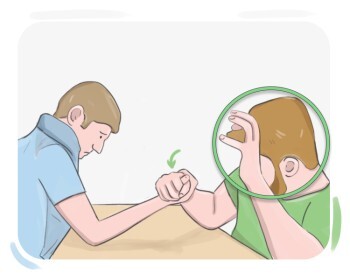
having a lot of physical power
silný, mocný
Byl schopen zvednout těžkou krabici, protože byl tak silný.
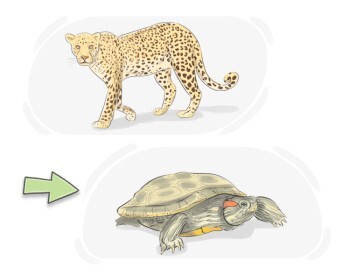
at a pace that is not fast
pomalu, zvolna
Šnek se pohyboval pomalu, ale vytrvale k listu.

not showing worry, anger, or other strong emotions
klidný, vyrovnaný
I když byl kritizován, reagoval klidně a soustředěně.
the sounds that a person makes when speaking or singing
hlas, tón
Její hlas byl jemný a uklidňující, ideální pro čtení pohádek před spaním.
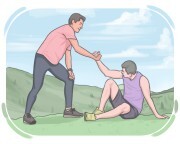
to give someone what they need
pomáhat, podporovat
Pomohla mu vynést krabice nahoru.
to cause someone or something to leave a particular place or location
vystěhovat se, vyndat
Zatímco jsme rekonstruovali, již stěhovali staré spotřebiče.
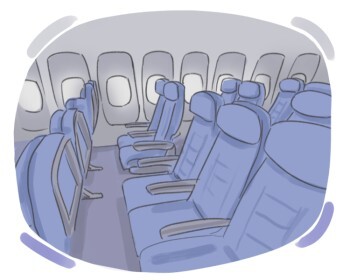
a place in a plane, train, theater, etc. that is designed for people to sit on, particularly one requiring a ticket
sedadlo, místo
Sedadlo v letadle bylo vybaveno malým sklápěcím stolem.
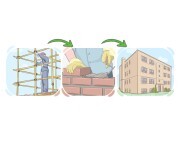
regarding the method of progressing gradually by taking one small action or stage at a time
krok za krokem, postupně
Naučila se hrát na klavír krok za krokem, počínaje základními stupnicemi.
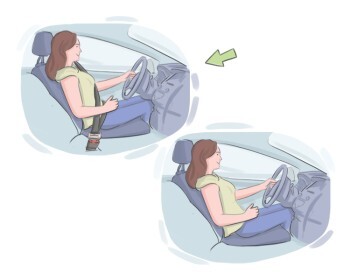
protected from any danger
bezpečný, chráněný
Poté, co bouře přešla, cítili se v bezpečí, aby se vrátili do svých domovů a posoudili škody.
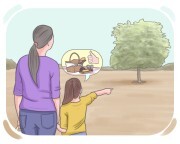
the part of space where someone or something is or they should be
místo,prostor, a space or area
Chci dnes večer najít nové místo k večeři.
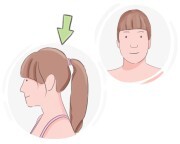
the right or left half of an object, place, person, or similar whole
strana, bok
Stála na levé straně místnosti.
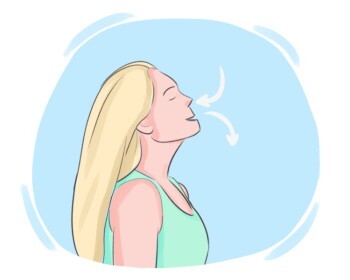
to take air into one's lungs and let it out again
dýchat, nádech a výdech
Pacient dýchal s pomocí ventilátoru na JIP.
![to [make] sure](https://cdn.langeek.co/photo/68041/thumb/350?type=jpeg "to [make] sure")
to take steps to confirm if something is correct, safe, or properly arranged
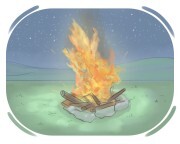
the result of something burning that often produces heat, flame, light, and smoke
oheň, plamen
Můžete přidat nějaká polínka do ohně, aby dál hořel?
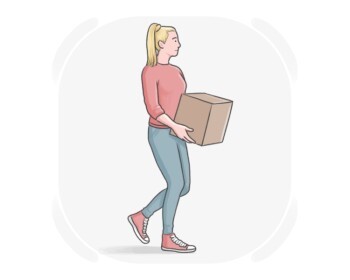
to come to a place with someone or something
přinést, přivést
Můžeme přivést naše domácí mazlíčky do parku?
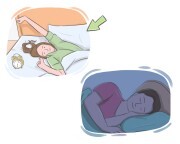
not in a state of sleep or unconsciousness
vzhůru, bdělý
Byli bdělí i přes to, že zůstali vzhůru do pozdních hodin, aby dokončili svůj projekt.
![to [take] care of {sb/sth}](https://cdn.langeek.co/photo/27421/thumb/350?type=jpeg "to [take] care of {sb/sth}")
to look after or manage someone or something, ensuring their needs are met
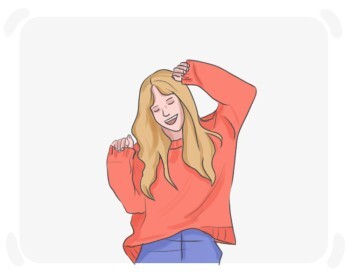
pleased about something
rád, potěšený
Byl rád, že konečně vidí svou rodinu po tak dlouhé době.
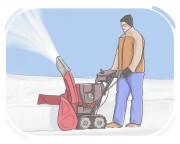
to remove unwanted or unnecessary things from something or somewhere
vyčistit, odstranit
Před událostí tým pracoval na vyklizení místa od zbytečného vybavení.

feeling satisfied with someone or one's possessions, achievements, etc.
hrdý, pyšný
Cítil se pyšný sám na sebe za dokončení svého prvního maratonu.
requiring support, assistance, or resources due to a shortage or difficult circumstances
potřebný, v nouzi
Dobročinná organizace se zaměřuje na poskytování potravin a přístřeší rodinám v nouzi.
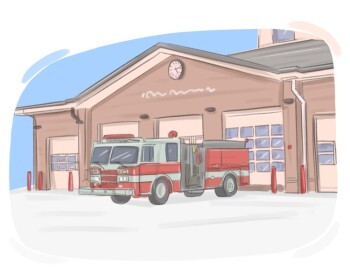
a building where firefighters stay and have the tools they need to help with fires and other emergencies
hasičská stanice
Hasiči na hasičské stanici provedli rutinní kontroly a údržbu vybavení, aby zajistili připravenost na jakýkoli nouzový hovor.
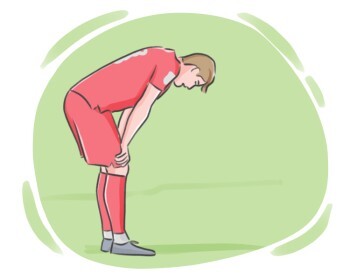
needing to sleep or rest because of not having any more energy
unavený, vyčerpaný
Batole bylo příliš unavené, aby dojedlo večeři.
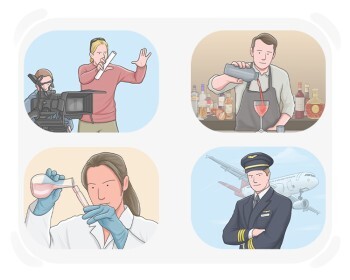
the work that we do regularly to earn money
práce, zaměstnání
Užívá si svou práci, protože mu umožňuje být kreativní.
| Klíčová pracovní slovní zásoba | |||
|---|---|---|---|
| První den v muzeu | Pozdrav Návštěvníků | Příprava na představení | David v Práci |
| Příprava Nástrojů | Dopravní Nehoda | ||
