


a large body of land that is partially surrounded by water but is attached to a larger area of land

poloostrov, téměř ostrov
Arabský poloostrov je rozsáhlá pouštní oblast bohatá na ropu a kulturní historii, ohraničená několika vodními plochami, včetně Rudého moře a Perského zálivu.
(of a place or environment) full of activity, energy, and excitement, often with a lot of people moving around and engaged in various tasks or social interactions
rušný, živý
Rušné letiště bylo centrem aktivity, cestující spěchali, aby stihli své lety.

to think about or consider past events, experiences, or decisions
ohlédnout se, vzpomínat
Tým se ohlédl za svým výkonem, aby identifikoval oblasti pro zlepšení.

to cover or last the whole of a period of time
zahrnovat, trvat
the act of invading or entering a territory, country, or region by force or without permission, often with the intent to control or dominate the area and its inhabitants
invaze, vpád
Historická invaze Římské říše přetvořila evropskou krajinu.
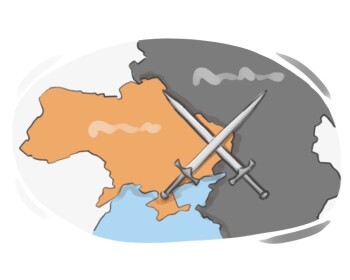
a hostile encounter between armed forces during a war
konflikt, střet
Mírová jednání následovala po posledním konfliktu.
able to recover quickly from difficult situations
odolný, houževnatý
Odolný atlet se rychle zotavil z menšího zranění a vrátil se do soutěže.

a lineage of kings who rule a country or nation over a long period of time
dynastie
Dynastie Ming vládla Číně od roku 1368 do roku 1644.
a system of writing or set of characters used for a particular language or orthography
písmo, písemný systém
Učení se nového písemného systému může být pro začátečníky náročné.
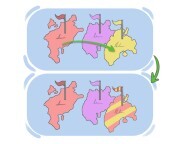
to establish control over an area or people, often by settling and exploiting it

to cause something to remain in its original state without any significant change
uchovat, zachovat
Historické artefakty jsou v muzeích uchovávány, aby byla zachována jejich původní podoba.

to be divided into smaller groups or parts
dělit, oddělit
a temporary stoppage or truce in hostilities between parties engaged in a war or conflict
příměří, zastavení palby
Válčící národy podepsaly příměří, souhlasily s měsíčním příměřím, aby umožnily dodávky humanitární pomoci a výměnu vězňů.
a zone from which military forces or operations or installations are prohibited
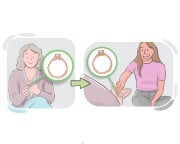
to transfer something to the next generation or another person
předat, zanechat
Plánuje předat svatební šaty své dceři.
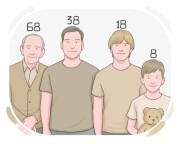
people born and living at approximately the same period of time
generace, generace
Kulturní změny často nastávají, když jedna generace předává tradice a hodnoty další.
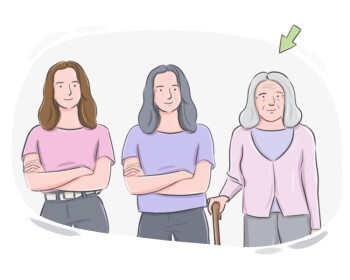
a person older in age or experience than another
starší, starší osoba
Jako starší byl často žádán, aby zprostředkoval konflikty.
very important and necessary
ústřední, základní
Důvěra je klíčová pro úspěch jakéhokoli partnerství nebo spolupráce.

to bend the head or move the upper half of the body forward to show respect or as a way of greeting
poklonit se, ucuknout
V dojo se studenti učili nejen bojovat, ale také se klanět jako znak vzájemného respektu.
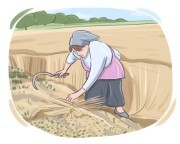
the act or process of gathering a ripened crop from the fields
sklizeň, žně
Sklizňové aktivity se často slaví místními festivaly.
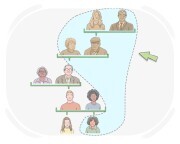
a blood relative who lived a long time ago, usually before one's grandparents
předek, prarodič
Sdíleli příběhy o svých předcích a předávali rodinnou historii mladší generaci.

a hole made in the ground for burying a dead body in
hrob, hrobka
Rodina navštívila hrob, aby vzdala úctu v den výročí jeho úmrtí.

relating to the moon
měsíční, lunární
Měsíční krátery jsou tvořeny dopady meteoritů na povrch Měsíce.
deeply valued and held in high regard
vzácné, milovaný
Jeho drahocenné přátelství s mentorem poskytovalo vedení a podporu po celou jeho kariéru.
related to or inherited from one's ancestors
předků, dědičný
Kmenoví stařešinové sdíleli příběhy svých předků hrdinů a legend.

the act of conducting a series of fixed actions, particular to a religious ceremony
rituál, obřad
Rituál nabízení kadidla je nedílnou součástí mnoha buddhistických obřadů.
to represent a more important or hidden meaning
symbolizovat
Holubice se často používá k symbolizování míru v mnoha kulturách.

the items that we wear, particularly a specific type of items
oblečení, oděv
Při cestování do horkého podnebí je nezbytné zabalit lehké a prodyšné oblečení.
pleasingly simple and neat in design, form, or function
elegantní, rafinovaný
Logo je elegantní ve své jednoduchosti.
something that causes a person or group to feel proud
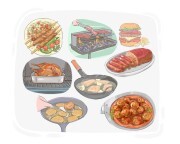
a method or style of cooking that is specific to a country or region
kuchyně
Ocenila bohaté chutě a koření nalezené v tradiční indické kuchyni.
(of a flavor) dominant but not necessarily harsh
odvážný, výrazný
Omáčka byla pro její chuť příliš výrazná a překrývala jemné chutě pokrmu.
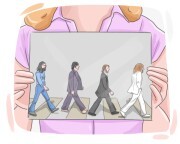
widely recognized and regarded as a symbol of a particular time, place, or culture
ikonský, symbolický
Eiffelova věž je ikonickým symbolem Paříže a francouzské kultury.
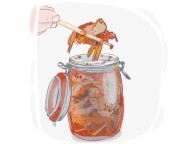
transformed by natural microorganisms, often resulting in the creation of acids, gases, or alcohol
fermentovaný
Fermentované mléčné výrobky, jako je jogurt a kefír, obsahovaly prospěšné probiotika.
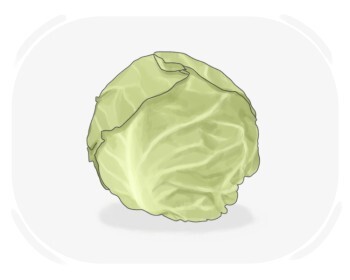
a large round vegetable with thick white, green or purple leaves, eaten raw or cooked
zelí, hlávkové zelí
Recept vyžadoval hlávkové zelí, které bylo orestováno s česnekem a kořením pro chutnou přílohu.

an edible root of red color with a pungent taste that is eaten raw in salads
ředkvička, červená ředkev
Moje matka nakládala ředkvičky s octem a kořením.
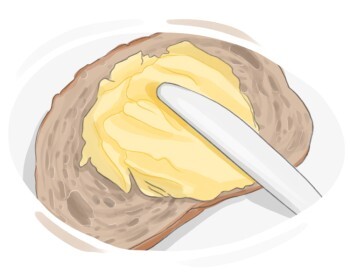
a soft mixture of meat, fruit, vegetables, etc. to be spread on bread or used in cooking other dishes
pasta, pyré
Rozhodl jsem se natřít trochu tuňákové past na čerstvě upečené housky pro uspokojivý oběd.
involving mutual action or influence between two or more entities
interaktivní, vzájemný
Workshop podpořil interaktivní učení prostřednictvím skupinových aktivit a diskusí.
devices that operate using electrical circuits, such as smartphones, laptops, or TVs
elektronika, elektronická zařízení
Jejich oddělení elektroniky nabízí vše od chytrých hodinek po směrovače.

(of a system or machine) achieving maximum productivity without wasting much time, effort, or money
efektivní, výkonný
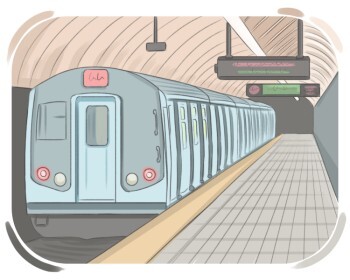
an underground railroad system, typically in a big city
metro, podzemní
V metru jsou vyhrazená místa pro starší a těhotné cestující.
the cultural elements and activities that are widely liked, enjoyed, and shared by the general public, particularly younger people
populární kultura, masová kultura
Vlivní uživatelé sociálních médií hrají významnou roli při utváření populární kultury.
a remarkable, noteworthy, or outstanding development, person, or thing
fenomén, zázrak
Mladý klavírista je hudební fenomén.
(of a song or phrase) having a memorable and appealing quality
chytlavý, poutavý
Chytlavý rytmus dance tracku rozhýbal všechny.

to have something as a prominent or distinctive aspect or characteristic
představovat, zahrnovat
Nový smartphone má vysokorozlišovací fotoaparát a dlouho výdržnou baterii.

(phonetics) a speech sound produced by interfering with or stopping the flow of air through the mouth or nose
souhláska, konsonant
Učitel vysvětlil, že souhlásky jsou řečové zvuky vytvářené překážkou proudění vzduchu v hlasovém traktu.

(phonetics) a speech sound produced without interfering with the flow of air coming through the mouth or nose
samohláska, samohláskový zvuk
Slovo "apple" začíná samohláskou.
arranged in a clear, orderly manner, making it easy to follow or understand
logický, racionální
Vytvořila logický náčrt k efektivní organizaci projektu.
the state of being uncomplicated, straightforward, or free from complexity
jednoduchost, prostota
Jednoduchost básně činí její poselství ještě silnějším.

(of a plant) to produce flowers and display them in full color
kvést, vykvést
Za správných podmínek bude ibišek kvést po celý rok.

related to or formed by the activity of volcanoes
sopečný, související s vulkány
Sopečná krajina Havajských ostrovů se vyznačuje členitým terénem a aktivními sopkami.

having a very beautiful view of nature
malebný, panoramatický
Scénický vyhlídkový bod na vrcholu kopce nabízel panoramatický výhled na městskou siluetu.
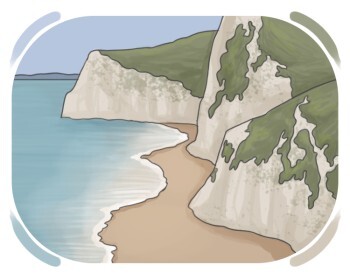
the land close to a sea, ocean, or lake
pobřeží, břeh
Včera bylo pobřeží plné lidí, kteří si užívali letní slunce.
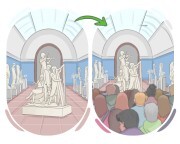
to gather in a group
shromažďovat se, proudit
Nákupčí mají tendenci se během svátků shromažďovat v obchodním centru.
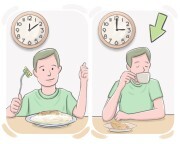
to eat a small amount of food between meals, typically as a quick and informal meal
uzobat, svačit
Aby zkrotili svůj hlad před večeří, uzobávali hummus a zeleninové tyčinky.
| East Asia and Oceania Vocabulary | |||
|---|---|---|---|
| Čína | Japonsko | Jižní Korea | Severní Korea |
| Mongolsko | Tchaj-wan | Fidži | Austrálie |
| Papua-Nová Guinea | Nový Zéland | ||
