
pattern

Basic Sciences - Biologie

Study terms related to microorganisms, cellular organisms, pathogens, biological processes, metabolism, and laboratory cultivation.

Revize

Kartičky

Pravopis

Kvíz
Začněte se učit
Words Related to Basic Sciences
bacteria
bacteria
[Podstatné jméno]

(microbiology) single-celled microorganisms that can be found in various environments, including soil, water, and living organisms, and can be beneficial, harmful, or neutral

bakterie

bakterie

Ex: Bacteria play a crucial role in the decomposition of organic matter in the ecosystem. 
fungus
fungus
[Podstatné jméno]

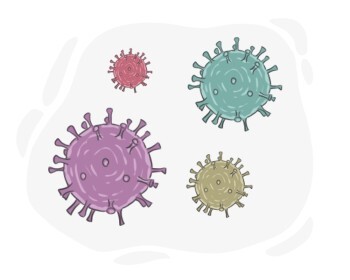
a plant-like organism that often grows on organic matter and has no flowers or leaves, such as moulds and mushrooms

houba, plíseň
houba, plíseň

Ex: They discovered a new species of fungus in the rainforest that glows in the dark. 
virus
virus
[Podstatné jméno]

a microscopic agent that causes disease in people, animals, and plants

virus

virus

Ex: A virus entered his body and made him sick. 
phage
phage
[Podstatné jméno]

(biology) a virus that infects and replicates within bacterial cells

Ex: The phage attached to the bacterium's surface and injected its genetic material. 
germ
germ
[Podstatné jméno]

a small living organism that causes disease or infection

zárodek, bakterie

zárodek, bakterie

microbe
microbe
[Podstatné jméno]

a very small living organism that cannot be seen without a microscope and can cause a disease

mikrob, mikroorganismus

mikrob, mikroorganismus

microbial
microbial
[Přídavné jméno]

related to microorganisms, such as bacteria, viruses, fungi, or protists

mikrobiální, mikrobní

mikrobiální, mikrobní

Ex: Microbial contamination can occur if food is not stored properly. 
organism
organism
[Podstatné jméno]

a living thing such as a plant, animal, etc., especially a very small one that lives on its own

organismus, živý tvor

organismus, živý tvor

Ex: The pond ecosystem is home to a variety of organisms, including fish, algae, and bacteria. 
organic
organic
[Přídavné jméno]

(of food or farming techniques) produced or done without any artificial or chemical substances

ekologický, organický

ekologický, organický

Ex: Organic farming relies on natural methods and avoids the use of synthetic pesticides and fertilizers. 
ameba
ameba
[Podstatné jméno]

a single-celled, microscopic organism belonging to the group of protozoa, characterized by a flexible cell membrane and the absence of a fixed body shape

améba, améby

améba, améby

Ex: Amebas are commonly found in various aquatic environments, including freshwater ponds and streams. 
eukaryote
eukaryote
[Podstatné jméno]

a type of living thing with cells that have a nucleus and other structures enclosed in membranes, like plants, animals, fungi, and some microorganisms

eukaryota, eukaryotický organismus

eukaryota, eukaryotický organismus

Ex: Plants, with their roots, stems, and leaves, are examples of eukaryotes. 
prokaryote
prokaryote
[Podstatné jméno]

a simple, single-celled organism that lacks a true nucleus and membrane-bound organelles, such as bacteria and archaea

prokaryota, prokaryotický organismus

prokaryota, prokaryotický organismus

Ex: Bacteria, such as Escherichia coli (E. coli), are common examples of prokaryotes. 
parasite
parasite
[Podstatné jméno]

(biology) a small organism that lives on or inside another organism, called a host, and is dependent on it for nutrition and growth

parazit, parazitický organismus

parazit, parazitický organismus

Ex: The mosquito is a well-known parasite that feeds on the blood of its host, often transmitting diseases in the process. 
symbiosis
symbiosis
[Podstatné jméno]

a close and often long-term interaction between two different species living in close physical association, typically to the advantage of both

symbióza, symbiotický vztah

symbióza, symbiotický vztah

Ex: The relationship between cleaner fish and larger fish, where the cleaner fish remove parasites, represents a mutualistic symbiosis. 
pathogen
pathogen
[Podstatné jméno]

any organism that can cause diseases

patogen, původce nemoci

patogen, původce nemoci

Ex: The laboratory tests confirmed the presence of a bacterial pathogen responsible for the patient's severe food poisoning. 
protozoan
protozoan
[Přídavné jméno]

(biology) of or relating to protozoans, microscopic single-celled eukaryotic organisms
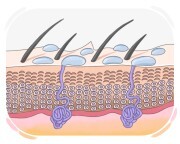
Ex: The lab technician identified a protozoan parasite in the water sample. 
to secrete
to secrete
[sloveso]

(of a cell, gland, or organ) to produce and release a liquid substance in the body

vylučovat, produkovat

vylučovat, produkovat

Ex: Salivary glands secrete enzymes that aid in the digestion of food. 
metabolism
metabolism
[Podstatné jméno]

the chemical processes through which food is changed into energy for the body to use

metabolismus, látková výměna

metabolismus, látková výměna

Ex: Metabolism involves various biochemical reactions that convert nutrients from food into energy. 
fossil
fossil
[Podstatné jméno]

the preserved remains or traces of ancient plants, animals, or other organisms found in rock

fosílie, zkamenělina

fosílie, zkamenělina

Ex: The fossil of a dinosaur was discovered in the desert. 
to archaeon
to archaeon
[sloveso]

(biology) any single-celled microorganism belonging to the domain Archaea, structurally and genetically distinct from bacteria and eukaryotes

Ex: The extremophilic archaeon was harvested from a hydrothermal vent at the ocean floor. 
culture
culture
[Podstatné jméno]

the process of growing cells, tissues, or organisms in an artificial environment with controlled conditions such as temperature, nutrients, and pH

kultura, buněčná kultura

kultura, buněčná kultura

Ex: Microbiologists use agar plates to culture bacteria for studying their growth and characteristics. 
capsid
capsid
[Podstatné jméno]

the protein coat of a virus that encases its genetic material and helps it attach to and enter host cells during infection

kapsid, proteinový obal

kapsid, proteinový obal

Ex: The capsid of a virus provides structural integrity, enclosing and protecting its genetic material. 
anaerobic
anaerobic
[Přídavné jméno]

not needing free oxygen to function

anaerobní, bez kyslíku

anaerobní, bez kyslíku

in vivo
in vivo
[Příslovce]

within a living organism

Ex: The drug's effectiveness was tested in vivo using a mouse model of diabetes. 
in vitro
in vitro
[Příslovce]

outside a living body, typically in a controlled laboratory setting such as a test tube or culture dish
Ex: The vaccine candidate was first tested in vitro before any animal trials began. 
life cycle
life cycle
[Podstatné jméno]

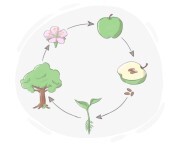
all the different stages of grow and development of a living organism

životní cyklus, biologický cyklus

životní cyklus, biologický cyklus

Ex: The life cycle of a butterfly includes four main stages. 
medium
medium
[Podstatné jméno]

a substance used to grow microorganisms, either as a liquid or solid

prostředí, nosič

prostředí, nosič

Ex: The lab used agar as a medium to grow bacteria. 
nutrient
nutrient
[Podstatné jméno]

a chemical element or inorganic compound that green plants absorb and incorporate into their organic molecules to support growth and metabolism

živina, výživná látka

živina, výživná látka

Ex: In hydroponic systems, growers routinely adjust the nutrient solution's nitrogen and potassium levels to maximize lettuce production. 
LanGeek
Stáhnout aplikaci LanGeek