
Ciencias Básicas - Biología
Estudia términos relacionados con microorganismos, organismos celulares, patógenos, procesos biológicos, metabolismo y cultivo en laboratorio.
Revisión
Tarjetas de memoria
Ortografía
Cuestionario

(microbiology) single-celled microorganisms that can be found in various environments, including soil, water, and living organisms, and can be beneficial, harmful, or neutral

bacteria
El yogur contiene bacterias beneficiosas que ayudan en la digestión.
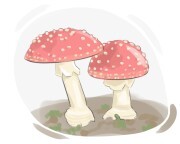
a plant-like organism that often grows on organic matter and has no flowers or leaves, such as moulds and mushrooms
hongo
El suelo del bosque estaba salpicado de varios tipos de hongos, desde setas hasta moho.
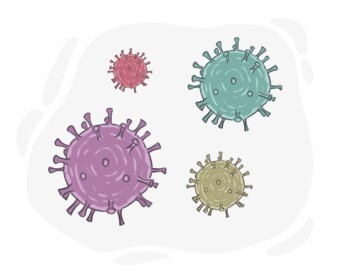
an infectious agent that reproduces only inside living cells and can cause disease
virus

(biology) a virus that infects and replicates within bacterial cells
bacteriófago
a microscopic organism, especially one that causes disease
germen
a microscopic organism, especially one that can cause disease
microbio
related to microorganisms, such as bacteria, viruses, fungi, or protists
microbiano, microbiana
Lavarse las manos con jabón ayuda a reducir la propagación de patógenos microbianos.
an individual living thing, such as an animal, plant, fungus, or bacterium
organismo

produced or grown without artificial fertilizers, pesticides, or other synthetic chemicals
orgánico
a microscopic single-celled organism that changes shape and typically moves and feeds by extending pseudopodia
ameba, amiba
a type of living thing with cells that have a nucleus and other structures enclosed in membranes, like plants, animals, fungi, and some microorganisms
eucariota, organismo eucariota
Los hongos, como los champiñones y los mohos, pertenecen al grupo de los eucariotas debido a su estructura celular.
a simple, single-celled organism that lacks a true nucleus and membrane-bound organelles, such as bacteria and archaea
procariota, organismo procariota
Los procariotas carecen de orgánulos unidos a membranas como el núcleo que se encuentra en las células eucariotas.
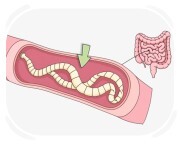
(biology) a small organism that lives on or inside another organism, called a host, and is dependent on it for nutrition and growth
parásito
a close and often long-term interaction between two different species living in close physical association, typically to the advantage of both
simbiosis
Los peces payaso y las anémonas de mar exhiben una simbiosis mutualista, ya que los peces payaso reciben protección y las anémonas se benefician de los restos de comida.
any organism that can cause diseases
agente patógeno
Los investigadores identificaron un nuevo patógeno viral que estaba causando el brote de enfermedad respiratoria en la comunidad.
(biology) of or relating to protozoans, microscopic single-celled eukaryotic organisms
protozoario,protozoico
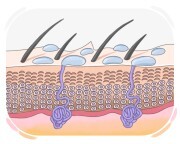
(of a cell, gland, or organ) to produce and release a liquid substance in the body
secretar
Las glándulas sebáceas de la piel secretan aceites para humectar y proteger la piel.

the chemical processes through which food is changed into energy for the body to use
metabolismo

the preserved remains, impression, or trace of an organism from a past geological age
fósil
(biology) any single-celled microorganism belonging to the domain Archaea, structurally and genetically distinct from bacteria and eukaryotes
arquea
(biology) the growing of microorganisms in a prepared nutrient medium, such as agar or gelatin
cultivo
the protein coat of a virus that encases its genetic material and helps it attach to and enter host cells during infection
la cápside, la cubierta proteica
El ensamblaje de las cápsides es un proceso altamente regulado durante el ciclo de vida viral.
able to survive and function in environments that lack oxygen
anaeróbico
within a living organism
in vivo,en el organismo vivo
outside a living body, typically in a controlled laboratory setting such as a test tube or culture dish
in vitro
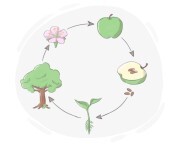
all the different stages of grow and development of a living organism
ciclo de vida
Las plantas tienen un ciclo de vida único que implica semillas, crecimiento y reproducción.
a substance used to grow microorganisms, either as a liquid or solid
medio,soporte
a chemical element or inorganic compound that green plants absorb and incorporate into their organic molecules to support growth and metabolism
nutriente, sustancia nutritiva
Después de que el análisis del suelo indicó una baja disponibilidad de fósforo, el agricultor aplicó una enmienda rica en nutrientes fosfatados antes de plantar maíz.
