


an old type of bicycle that is moved forward by pedal

velocipéd
Velocipedy byly oblíbeným dopravním prostředkem viktoriánské éry.
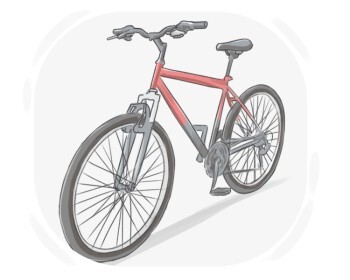
a vehicle with two wheels that we ride by pushing its pedals with our feet
kolo, bicykl

any of the circular objects typically found under vehicles like cars, bicycles, buses, etc., used to make movement possible by turning
kolo, pneumatika

a flat part of a bicycle or machine that is pushed with the foot to make it move or operate. It is typically circular and part of the mechanism that drives motion
pedál, šlapka
Na tomto kole nemohu pohodlně dosáhnout na pedály.

the language of ancient Rome that later developed into the Romance languages
latina

to create or design something new that did not previously exist
vynalézt, vymyslet
moved or operated by the physical effort of a person, without engines or electricity
lidsky poháněný, poháněný člověkem
Kolo je lidskou silou poháněné vozidlo.
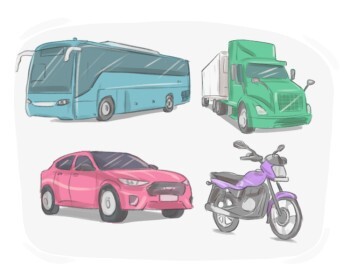
a means of transportation used to carry people or goods from one place to another, typically on roads or tracks
vozidlo, auto
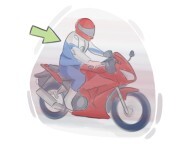
a person who rides a bicycle, motorcycle, horse, or other animal
cyklista, jezdec
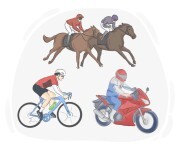
to sit on open-spaced vehicles like motorcycles or bicycles and be in control of their movements
jet, řídit

a different form of something particular when compared with its previous form or forms
verze, vydání
an early type of bicycle with a rigid frame and iron or wooden wheels
kostitřas, kolo s železnými koly
Vynález pneumatiky učinil boneshakery zastaralými.
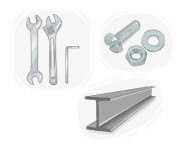
a metallic chemical element with a silvery-gray appearance, widely used for making tools, steel, buildings, and various industrial products
železo, kov
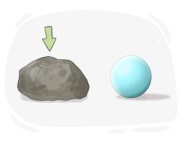
having an uneven or jagged texture
drsný, nerovný
covered with small raised areas or irregularities, making it uneven to the touch
nerovný, drsný
Kůra pomeranče byla nerovná, s malými výčnělky tečkujícími její povrch.
to keep something in a stable and even position, typically by adjusting or redistributing weight
vyvážit, udržovat rovnováhu

in a manner that indicates the majority of something is in a certain condition or of a certain type
převážně, většinou
Obyvatelstvo města se většinou skládá z mladých rodin hledajících klidný životní styl.
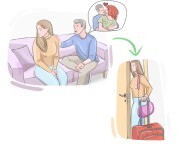
to be the cause of something
vést k, způsobit
as time passes or progresses
časem, s postupem času
Pokud budete dodržovat novou dietu, postupem času si všimnete změn ve svém zdraví.
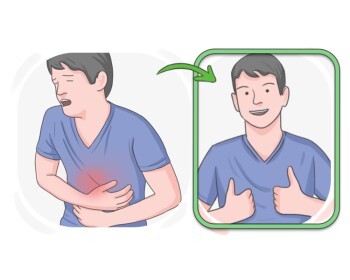
to become better
zlepšit, zdokonalit
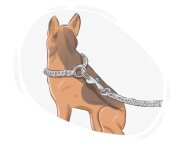
a line of metal rings or links connected together, often used for fastening or pulling
řetěz, pouto
used to indicate that despite a certain fact or situation mentioned in the first clause, the second clause follows
i když, přestože
I když pršelo, rozhodli se jít na túru.
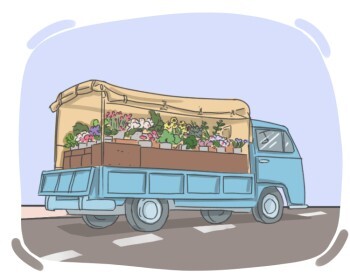
the act or business of carrying people or goods from one place to another by different means
doprava, přeprava
Doprava čerstvých produktů často vyžaduje chlazené kamiony.
| Slovní Zásoba Nemotorových Vozidel | |||
|---|---|---|---|
| Kolo | Rikša | Vůz | Segway |
| Kočár | Psí Spřežení | Jednokolka | Koloběžka |
| Jízdní Kolo | Kopací Sáně | Draisine | Vůz s voly |
| Trikke | Vysoké Kolo | Travois | Handcycle |
| Kickbike | Velomobil | Rikša | Tandemové Kolo |
