
Vocabulario de Vehículos No Motorizados - Velocípedo
Revisión
Tarjetas de memoria
Ortografía
Cuestionario


an old type of bicycle that is moved forward by pedal

velocípedo
El velocípedo tenía ruedas delanteras grandes y ruedas traseras pequeñas.
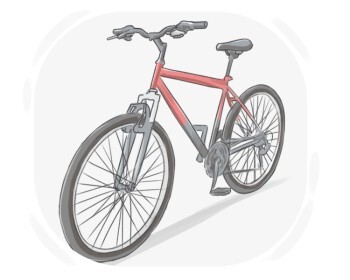
a vehicle with two wheels that we ride by pushing its pedals with our feet
bicicleta

any of the circular objects typically found under vehicles like cars, bicycles, buses, etc., used to make movement possible by turning
rueda, llanta

a flat part of a bicycle or machine that is pushed with the foot to make it move or operate. It is typically circular and part of the mechanism that drives motion
pedal, pedalier
Presionó el pedal con más fuerza para acelerar.

the language of ancient Rome that later developed into the Romance languages
latín
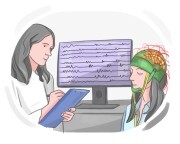
to create or design something new that did not previously exist
inventar
moved or operated by the physical effort of a person, without engines or electricity
de propulsión humana, impulsado por el hombre
El transporte propulsado por humanos es mejor para el medio ambiente.
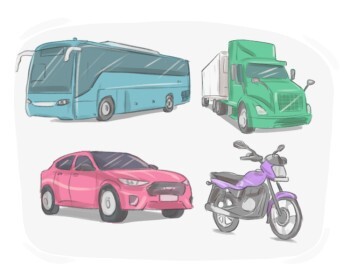
a means of transportation used to carry people or goods from one place to another, typically on roads or tracks
vehículo
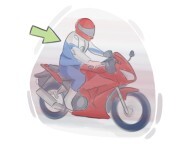
a person who rides a bicycle, motorcycle, horse, or other animal
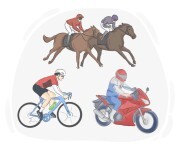
to sit on open-spaced vehicles like motorcycles or bicycles and be in control of their movements
montar, conducir

a different form of something particular when compared with its previous form or forms
versión
an early type of bicycle with a rigid frame and iron or wooden wheels
velocípedo, bicicleta de ruedas de hierro
El viejo boneshaker no tenía neumáticos de goma, lo que hacía que cada bache fuera dolorosamente notable.
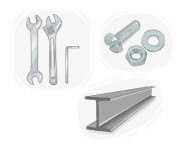
a metallic chemical element with a silvery-gray appearance, widely used for making tools, steel, buildings, and various industrial products
hierro
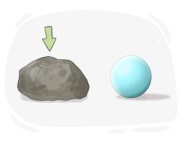
having an uneven or jagged texture
áspero
covered with small raised areas or irregularities, making it uneven to the touch
accidentado, irregular
La almohada estaba abultada, llena de grumos de relleno que la hacían incómoda para dormir.
to keep something in a stable and even position, typically by adjusting or redistributing weight
equilibrar, mantener en equilibrio

in a manner that indicates the majority of something is in a certain condition or of a certain type
principalmente, en su mayoría
La película, aunque un drama, tuvo mayormente momentos alegres que mantuvieron al público interesado.
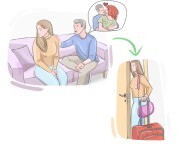
to be the cause of something
conducir, llevar
as time passes or progresses
con el tiempo, a lo largo del tiempo
El estudio mide el aumento de la biodiversidad con el tiempo en el área protegida.
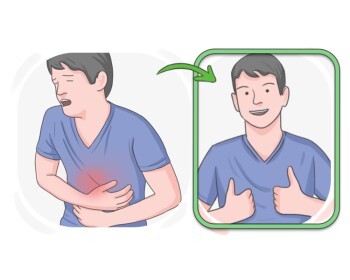
to become better
mejorar
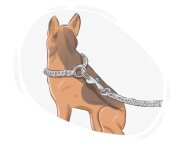
a line of metal rings or links connected together, often used for fastening or pulling
cadena, eslabón
used to indicate that despite a certain fact or situation mentioned in the first clause, the second clause follows
aunque, a pesar de que
Aunque estaba cansado, se quedó despierto hasta tarde para terminar el proyecto.
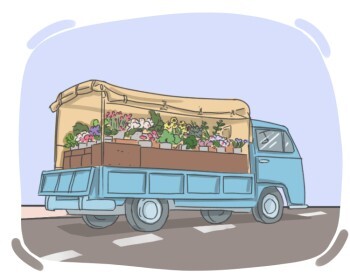
the act or business of carrying people or goods from one place to another by different means
transporte, transportación
La industria del transporte se ha adaptado para incluir servicios de viajes compartidos.
