
1000 Palabras Más Comunes en Inglés - Las palabras en inglés más comunes 351–400
Aprende las palabras en inglés clasificadas de 351 a 400 por frecuencia y mejora tu dominio del vocabulario que se encuentra regularmente en el habla y la escritura.
Repasar
Tarjetas de memoria
Ortografía
Cuestionario

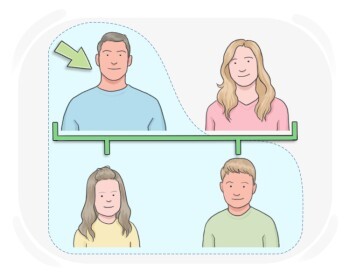
a child's male parent

padre
El padre de John es ingeniero, y le transmitió su pasión por la tecnología a su hijo.

needing a lot of skill or effort to do
difícil
Dominar un nuevo idioma puede ser difícil, especialmente si tiene una gramática y un vocabulario complejos.

to arrive at a place after traveling or moving toward it
llegar
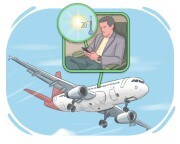
the state of something at a particular time
condición
El estado del viejo puente fue considerado inseguro para los vehículos.
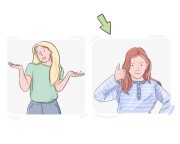
(of a person) feeling confident about something being correct or true
seguro
Estaba seguro de que su equipo favorito ganaría el campeonato.
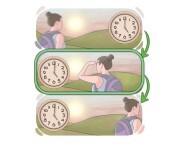
a very short period of time
momento
La obra se pausó por un momento debido a problemas técnicos.
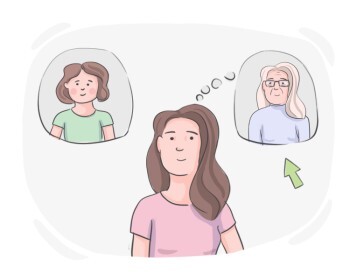
the time that will come after the present or the events that will happen then
futuro
Están ahorrando dinero para el futuro de su hijo.
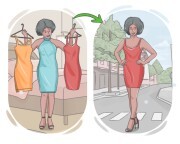
to make a choice or reach a conclusion after considering different possibilities
decidir
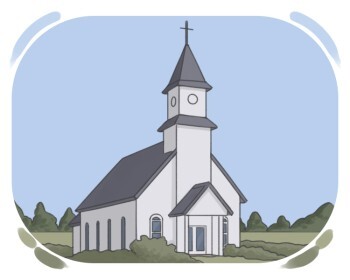
a building where Christians go to worship and practice their religion
iglesia
Celebraron la Pascua en la iglesia, cantando himnos y participando en la ceremonia religiosa.
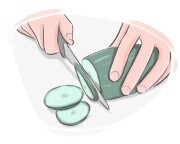
to divide a thing into smaller pieces using a sharp object
cortar
Sarah corta la tela para hacer un vestido.

someone who is a child and a female
niña
La niña en el jardín está recogiendo flores.
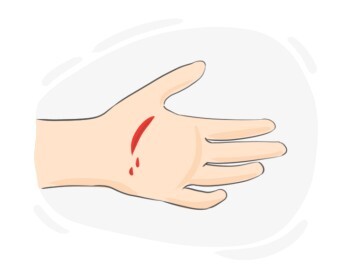
a break or opening in the skin or flesh, often caused by a sharp object or injury
corte,herida
Ella se hizo un pequeño corte con el cuchillo mientras cocinaba.

a short piece of writing that helps us remember something
nota
Mark anotó algunos apuntes durante la clase para repasarlos más tarde.

a way of doing something or dealing with a problem
enfoque, planteamiento
Su enfoque cauteloso hacia la inversión lo salvó de grandes pérdidas.
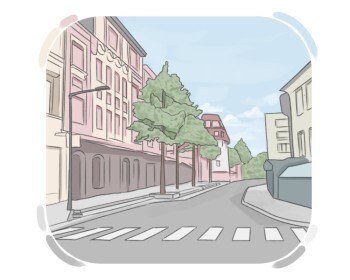
a public path for vehicles in a village, town, or city, usually with buildings, houses, etc. on its sides
calle
La calle estaba llena de casas coloridas y flores florecientes.
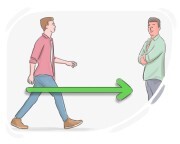
to go close or closer to something or someone
acercarse a
El detective se acerca a la escena del crimen para recoger pruebas.
a variety of things that are different but are of the same general type
rango
El menú del restaurante presenta una gama de platos de diferentes cocinas alrededor del mundo.
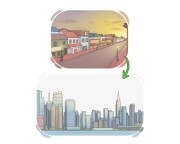
to gradually grow, change, or become more advanced
desarrollarse
Con el tiempo, las economías pueden desarrollarse y volverse más resistentes a los shocks externos.
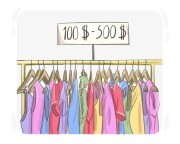
to have or include a variety of what is mentioned
abarcar, oscilar
La discusión abarcará varios temas relacionados con los planes futuros de la empresa.

to give details about someone or something to say what they are like
describir
El artista usó colores vivos para describir el atardecer en su pintura.
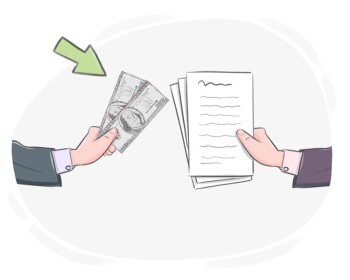
to ask a person to pay a certain amount of money in return for a product or service
cobrar,facturar
Los restaurantes en las zonas turísticas a menudo cobran más por sus comidas.

the thin sheets on which one can write, draw, or print things, also used as wrapping material
papel
El profesor repartió hojas de papel para que los estudiantes completaran el examen.
the sum of money that needs to be payed for a thing or service
tarifa
El mecánico citó un cargo razonable por la reparación de los frenos del coche.
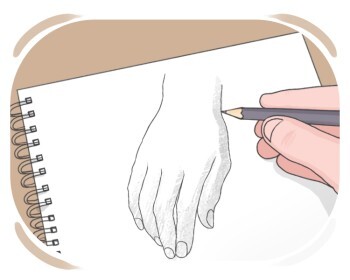
to make a picture of something using a pencil, pen, etc. without coloring it
dibujar
El artista puede dibujar retratos realistas de personas.
used when a group of people or animals are both the ones who do an action and the ones who are affected by it
ellos mismos,ellas mismas
Después de la larga caminata, los excursionistas se trataron a sí mismos con una comida abundante.
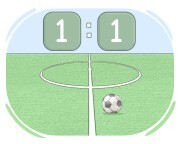
when neither player is able to win the game, typically because there are no more legal moves available or because both players agree to a draw
empate
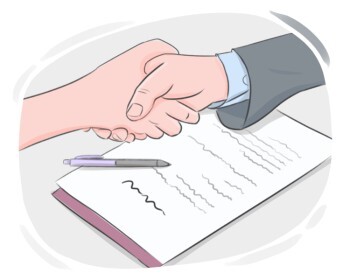
to hold the same opinion as another person about something
estar de acuerdo,concordar
Todos estamos de acuerdo en que necesitamos más recursos para el proyecto.
having a possibility of happening or being the case
probable
Según las tendencias recientes, es probable que la empresa vea un aumento en las ganancias el próximo trimestre.
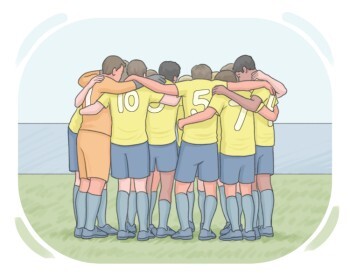
a group of people who compete against another group in a sport or game
equipo
Los miembros del equipo colaboraron sin problemas para lograr un objetivo compartido de innovación.
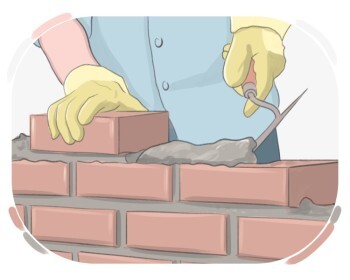
to put together different materials such as brick to make a building, etc.
construir
Estas cabañas están construidas con madera y paja.
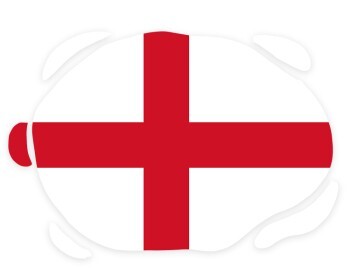
the largest country in the United Kingdom, located in Western Europe
Inglaterra
Inglaterra es conocida por su escena cultural diversa, con contribuciones a la literatura, la música y el arte a lo largo de la historia.
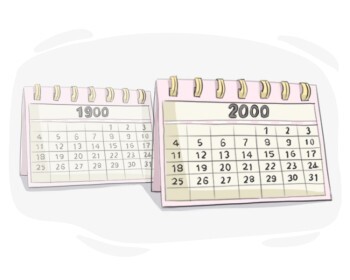
a period of one hundred years
siglo, centuria
La ciudad celebró su tercer siglo de existencia el año pasado.
each of the parts into which a place or object is divided
sección
El manual del coche incluye una sección de solución de problemas para los problemas comunes que los propietarios pueden encontrar.
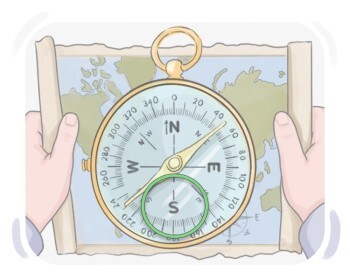
the direction on our right when we watch the sunrise
sur, the direction down on most maps
La brújula apuntaba hacia el sur, guiando su camino.
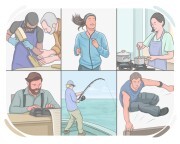
something that a person spends time doing, particularly to accomplish a certain purpose
actividad
Jugar juegos de mesa con la familia es una actividad entretenida para los fines de semana.
located toward the southern direction
del sur
La entrada sur del parque está menos concurrida que la entrada norte.
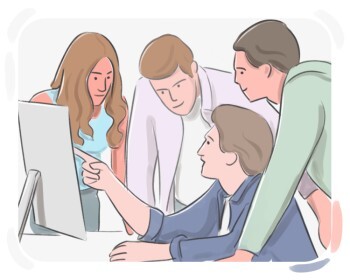
a group of people who work for a particular company or organization
personal
Nuestra empresa está organizando una fiesta para el personal la próxima semana.

to know something's meaning, particularly something that someone says
entender
No entendió el contrato al que estaba accediendo.

the most common language in the world, originating in England but also the official language of America, Canada, Australia, etc.
inglés
Personas de todo el mundo están aprendiendo inglés.
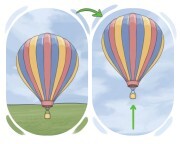
to move from a lower to a higher position
subir
Si hubieras seguido las instrucciones, el pastel se habría elevado perfectamente.
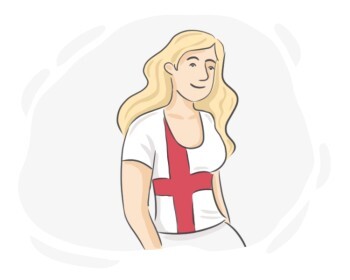
belonging or relating to England, its people, or language
inglés
El profesor de inglés corrigió los errores gramaticales de los estudiantes.
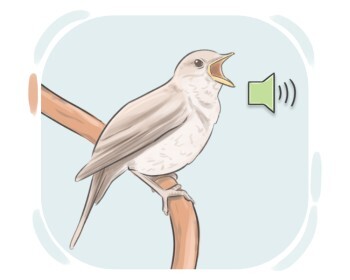
something that can be heard
sonido
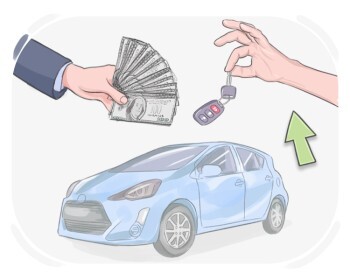
to buy and sell or exchange items of value
comerciar
Los países comercian diversos bienes y recursos para satisfacer sus necesidades económicas.

to give a particular impression based on what someone hears or reads
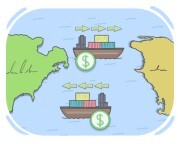
the activity of exchanging goods or services
comercio
Los mercados locales prosperan con el comercio de productos frescos y bienes hechos a mano.

to look at written or printed words or symbols and understand their meaning
leer
Es importante leer los términos y condiciones antes de aceptar.
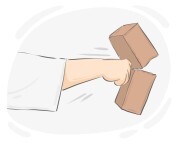
to separate something into more pieces, often in a sudden way
romper,quebrar
Los niños tienden a romper sus juguetes si juegan demasiado bruscos.
to contain or include something as a necessary part
implicar, suponer, involucrar
El trabajo implica que yo viaje por todo el país.

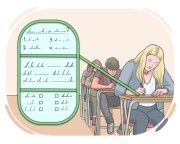
an examination that consists of a set of questions, exercises, or activities to measure someone's knowledge, skill, or ability
test, prueba
El examen de conducción incluye tanto una prueba escrita como una evaluación práctica.
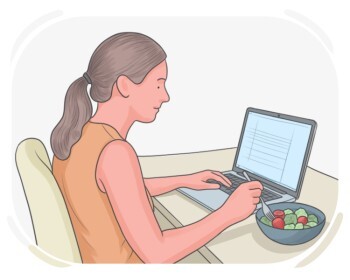
a rest from the work or activity we usually do
descanso, vacaciones
Mi momento favorito del día es el descanso de la tarde en el balcón.
