pattern

1000 Najczęstszych Angielskich Słów - Najczęstsze angielskie słowa 351–400

Ucz się angielskich słów uszeregowanych według częstotliwości od 351 do 400 i popraw swoją znajomość słownictwa często spotykanego w mowie i piśmie.

Przegląd

Fiszki

formy

Pisownia

Test

Zacznij naukę
1000 Most Common English Words
father
father
[Rzeczownik]

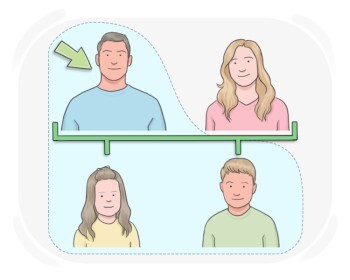
a child's male parent

ojciec, tata

ojciec, tata

Ex: As a father, he takes great joy in spending quality time with his children and creating lasting memories. 
hard
hard
[przymiotnik]

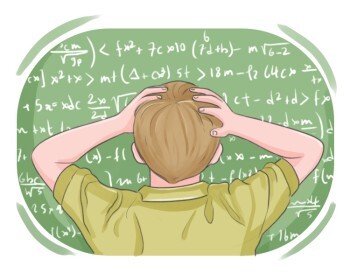
needing a lot of skill or effort to do

trudny, ciężki

trudny, ciężki

Ex: Learning to play the piano at a professional level is hard and requires years of practice. 
to reach
to reach
[Czasownik]

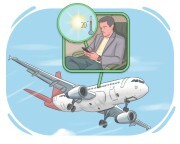
to get to your planned destination

dotrzeć, osiągnąć
dotrzeć, osiągnąć

Ex: The beach can only be reached by boat. 
condition
condition
[Rzeczownik]

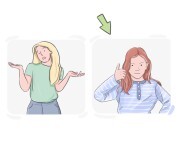
the state of something at a particular time

stan, warunek
stan, warunek

Ex: He checked the condition of the tires before the long road trip. 
sure
sure
[przymiotnik]

(of a person) feeling confident about something being correct or true

pewny, przekonany
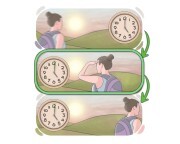
pewny, przekonany

Ex: Being sure of his memory, he recited the poem flawlessly in front of the audience. 
moment
moment
[Rzeczownik]

a very short period of time

chwila, moment
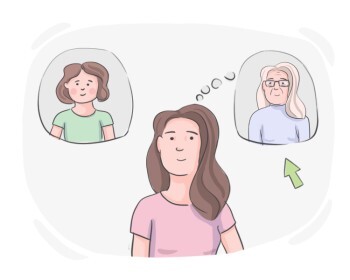
chwila, moment

Ex: For a moment, I thought I had lost my wallet. 
future
future
[Rzeczownik]

the time that will come after the present or the events that will happen then

przyszłość, jutro
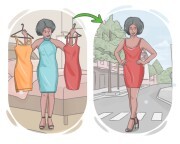
przyszłość, jutro

Ex: She's excited about her future at the new job. 
to decide
to decide
[Czasownik]

to think carefully about different things and choose one of them

decydować, postanawiać
decydować, postanawiać

Ex: He had to decide whether to accept the job offer. 
church
church
[Rzeczownik]

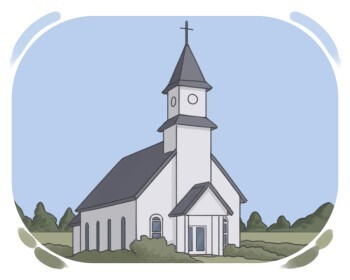
a building where Christians go to worship and practice their religion

kościół
kościół

Ex: They attended Sunday service at the local church with their family. 
to cut
to cut
[Czasownik]

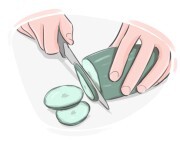
to divide a thing into smaller pieces using a sharp object

ciąć, dzielić

ciąć, dzielić

Ex: I cut the paper with scissors to make a snowflake. 
girl
girl
[Rzeczownik]

someone who is a child and a female

dziewczynka, dziewczyna
dziewczynka, dziewczyna

Ex: This is my friend; she's a cheerful girl. 
cut
cut
[Rzeczownik]

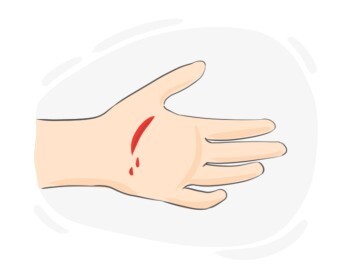
a break or opening in the skin or flesh, often caused by a sharp object or injury

cięcie, rana

cięcie, rana

Ex: He had a deep cut on his hand from the broken glass. 
note
note
[Rzeczownik]

a short piece of writing that helps us remember something

notatka

notatka

Ex: I wrote a quick note to remind myself to buy groceries after work. 
approach
approach
[Rzeczownik]

a way of doing something or dealing with a problem

podejście, metoda
podejście, metoda

Ex: The teacher's approach to discipline focuses on positive reinforcement. 
street
street
[Rzeczownik]

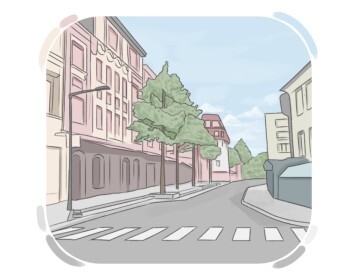
a public path for vehicles in a village, town, or city, usually with buildings, houses, etc. on its sides

ulica, aleja
ulica, aleja

Ex: He parked his car on the street and walked to the nearby café. 
to approach
to approach
[Czasownik]

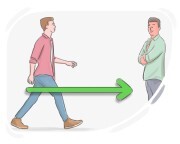
to go close or closer to something or someone

zbliżać się, podchodzić

zbliżać się, podchodzić

Ex: Last night, the police approached the suspect's house with caution. 
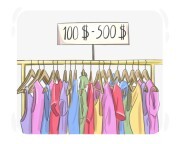
range
range
[Rzeczownik]

a variety of things that are different but are of the same general type

zakres,  różnorodność
zakres, różnorodność

Ex: The store offers a wide range of electronics, from smartphones to laptops. 
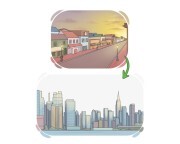
to develop
to develop
[Czasownik]

to change and become stronger or more advanced

rozwijać, ewoluować
rozwijać, ewoluować

Ex: The plot of the novel started to develop slowly, drawing readers in. 
to range
to range
[Czasownik]

to have or include a variety of what is mentioned

obejmować, różnić się

obejmować, różnić się

Ex: The store's inventory ranges from clothing and accessories to electronics and home goods. 
to describe
to describe
[Czasownik]

to give details about someone or something to say what they are like

opisywać, przedstawiać
opisywać, przedstawiać

Ex: He used metaphors to describe the power of nature in his poem. 
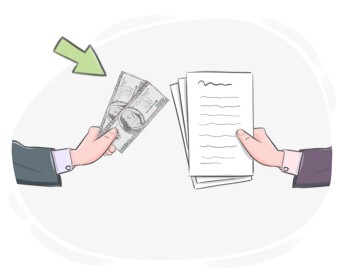
to charge
to charge
[Czasownik]

to ask a person to pay a certain amount of money in return for a product or service

naliczać, obciążać

naliczać, obciążać

Ex: The hotel may charge for additional services beyond the room rate. 
paper
paper
[Rzeczownik]

the thin sheets on which one can write, draw, or print things, also used as wrapping material

papier, arkusz

papier, arkusz

Ex: She wrote a letter on a piece of paper and mailed it to her friend. 
charge
charge
[Rzeczownik]

the sum of money that needs to be payed for a thing or service

opłata, cena
opłata, cena

Ex: The hotel room charge included breakfast and Wi-Fi access. 
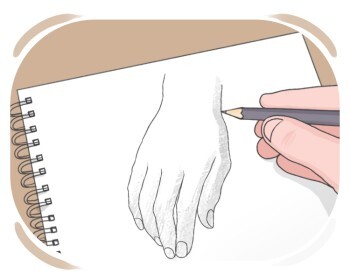
to draw
to draw
[Czasownik]

to make a picture of something using a pencil, pen, etc. without coloring it

rysować

rysować

Ex: He drew a cute cat on the paper for his little sister. 
themselves
themselves
[Zaimki]

used when a group of people or animals are both the ones who do an action and the ones who are affected by it

sie sami, sie same
sie sami, sie same

Ex: They seemed to be enjoying themselves. 
draw
draw
[Rzeczownik]

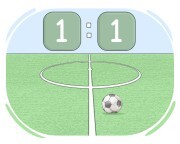
when neither player is able to win the game, typically because there are no more legal moves available or because both players agree to a draw

remis, pat

remis, pat

Ex: A draw was enough to keep the team in first place. 
to agree
to agree
[Czasownik]

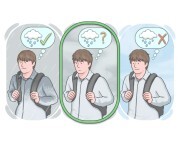
to hold the same opinion as another person about something

zgadzać się, potwierdzać
zgadzać się, potwierdzać

Ex: We both agree that this is the best restaurant in town. 
likely
likely
[przymiotnik]

having a possibility of happening or being the case

prawdopodobny, możliwy
prawdopodobny, możliwy

Ex: The doctor believes it's likely that the patient will make a full recovery with proper treatment. 
team
team
[Rzeczownik]

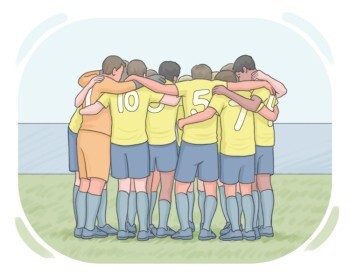
a group of people who compete against another group in a sport or game

zespół, drużyna
zespół, drużyna

Ex: The basketball team practiced diligently to enhance their coordination and strategy. 
to build
to build
[Czasownik]

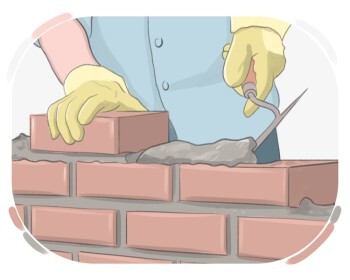
to put together different materials such as brick to make a building, etc.

budować, wznosić
budować, wznosić

Ex: The construction crew is building a new office complex downtown. 
England
England
[Rzeczownik]

the largest country in the United Kingdom, located in Western Europe

Anglia, Anglia
Anglia, Anglia

Ex: England is famous for its historic sites, including Stonehenge and the Tower of London. 
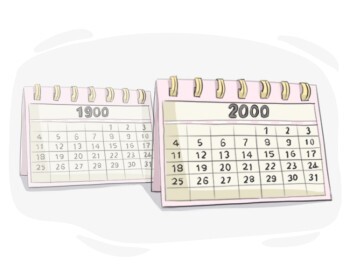
century
century
[Rzeczownik]

a period of one hundred years

wiek, stulecie
wiek, stulecie

Ex: Climate change is one of the most serious issues of this century. 
section
section
[Rzeczownik]

each of the parts into which a place or object is divided

sekcja,  część
sekcja, część

Ex: The library is organized into several sections, including fiction, non-fiction, and reference materials. 
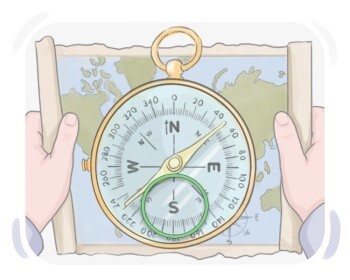
south
south
[Rzeczownik]

the direction on our right when we watch the sunrise

południe,południe, the direction down on most maps
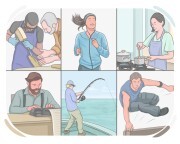
południe,południe, the direction down on most maps

Ex: The compass pointed toward the south. 
activity
activity
[Rzeczownik]

something that a person spends time doing, particularly to accomplish a certain purpose

aktywność, zajęcie

aktywność, zajęcie

Ex: Drawing and painting are creative activities that can express your emotions. 
south
south
[przymiotnik]

located toward the southern direction

południowy, południowy
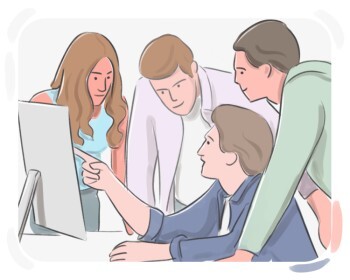
południowy, południowy

Ex: The south side of the house receives ample sunlight in the afternoon. 
staff
staff
[Rzeczownik]

a group of people who work for a particular company or organization

personel, zespół
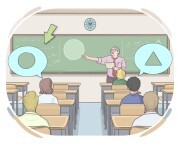
personel, zespół

Ex: All staff members are required to attend the meeting. 
to understand
to understand
[Czasownik]

to know something's meaning, particularly something that someone says

rozumieć, pojmować

rozumieć, pojmować

Ex: Can you help me understand this equation? 
English
English
[Rzeczownik]

the most common language in the world, originating in England but also the official language of America, Canada, Australia, etc.

angielski
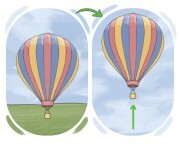
angielski

Ex: John took extra English classes to prepare for his TOEFL exam. 
to rise
to rise
[Czasownik]

to move from a lower to a higher position

wznosić się, unosić się
wznosić się, unosić się

Ex: As the tide was rising, the boat started to float. 
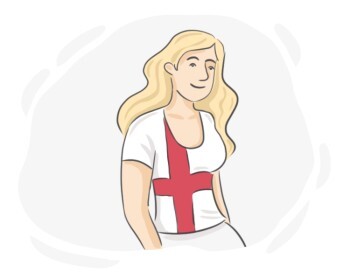
English
English
[przymiotnik]

belonging or relating to England, its people, or language

angielski
angielski

Ex: She took an English class to improve her language skills. 
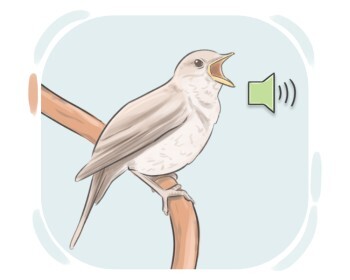
sound
sound
[Rzeczownik]

anything that we can hear

dźwięk, hałas
dźwięk, hałas

Ex: The sound of birds chirping greeted us as we entered the park. 
to trade
to trade
[Czasownik]

to buy and sell or exchange items of value

handlować, wymieniać

handlować, wymieniać

Ex: Merchants trade goods and services in the local market. 
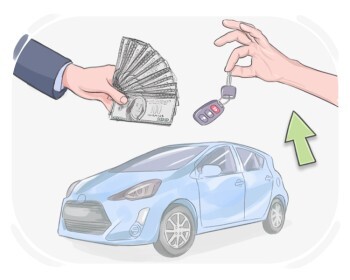
to sound
to sound
[Czasownik]

to convey or make a specific impression when read about or when heard

brzmieć, wydawać się
brzmieć, wydawać się

Ex: The plan sounds promising, but we need to consider all the potential risks. 
trade
trade
[Rzeczownik]

the activity of exchanging goods or services

handel

handel

Ex: The trade between the two countries has increased significantly over the past decade. 
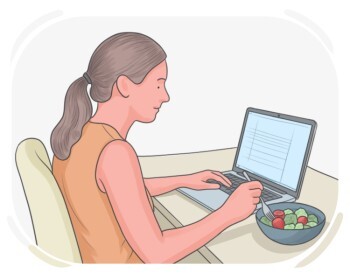
to read
to read
[Czasownik]

to look at written or printed words or symbols and understand their meaning

czytać, czytanie
czytać, czytanie

Ex: I can read this book easily. 
to break
to break
[Czasownik]

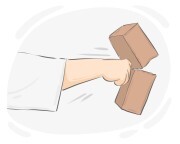
to separate something into more pieces, often in a sudden way

łamać, złamać
łamać, złamać

Ex: Be careful not to break the glass when you wash the dishes. 
to involve
to involve
[Czasownik]

to contain or include something as a necessary part

zawierać, pociągać za sobą
zawierać, pociągać za sobą

Ex: Any investment involves an element of risk. 
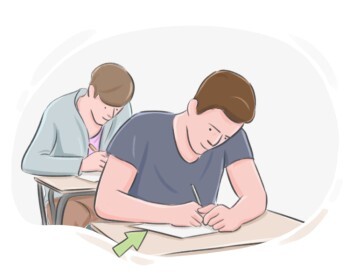
test
test
[Rzeczownik]

an examination that consists of a set of questions, exercises, or activities to measure someone's knowledge, skill, or ability

egzamin, test
egzamin, test

Ex: After the language test, the teacher provided feedback to help the students improve their language skills. 
break
break
[Rzeczownik]

a rest from the work or activity we usually do

przerwa,  odpoczynek

przerwa, odpoczynek

Ex: After three hours of driving, they took a break at a rest stop. 
LanGeek
Pobierz aplikację LanGeek