
El libro Face2face - Intermedio - Unidad 5 - 5C
Aquí encontrarás el vocabulario de la Unidad 5 - 5C en el libro de curso Face2Face Intermediate, como "permitir", "preferiría", "mente", etc.
Repasar
Tarjetas de memoria
Ortografía
Cuestionario

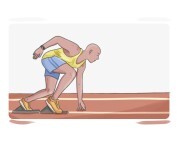
to begin something new and continue doing it, feeling it, etc.

comenzar, empezar
Empiezo a tener hambre, vamos a buscar algo de comer.
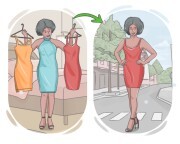
to make a choice or reach a conclusion after considering different possibilities
decidir

to be able to do somehing, make something, etc.
poder
El chef habilidoso puede preparar una variedad de platos deliciosos.
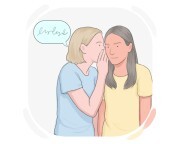
to use words and give someone information
contar
Ella le contó a su amiga sobre el nuevo restaurante en la ciudad.
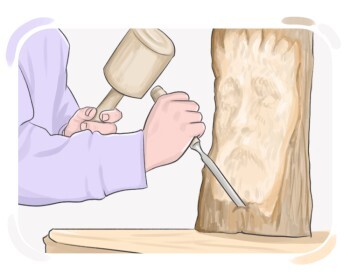
to form, produce, or prepare something, by putting parts together or by combining materials
hacer
Los trabajadores de la fábrica fabrican miles de coches cada mes.
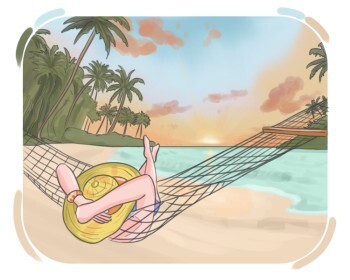
to take pleasure or find happiness in something or someone
disfrutar, gozar
A menudo disfruta de hacer senderismo en las montañas durante los fines de semana.
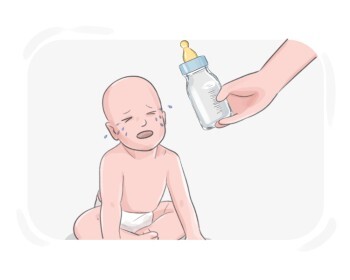
to want something or someone that we must have if we want to do or be something
necesitar
Ella necesita un viaje al aeropuerto mañana.

to let someone or something do a particular thing
permitir
La política de la escuela no permite que los estudiantes usen sus teléfonos durante la clase.

used to make an offer or request in a polite manner
[verbo modal]
¿Te importaría pasarme la sal, por favor?

to make something end
terminar, acabar
El equipo terminó la carrera en primer lugar.
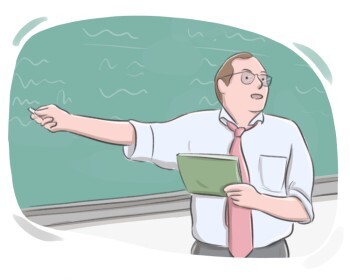
to give lessons to students in a university, college, school, etc.
enseñar
Decidí dejar mi trabajo estresante y enseñar pintura en el centro comunitario.
to allow something to happen or someone to do something
dejar
Deja que el helado se ablande durante unos minutos antes de servirlo.
used for forming future tenses
[futuro simple]
Ellos irán de vacaciones en el verano.
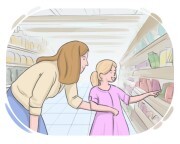
to wish to do or have something
querer
Jane quería aprender a tocar la guitarra, así que tomó lecciones.

(often used in negative or question form) to be upset, offended, or bothered by something
importar
A él no le importa si la gente no está de acuerdo con él; da la bienvenida a diferentes perspectivas.

to decide and arrange the details of an activity or event before it happens
hacer planes
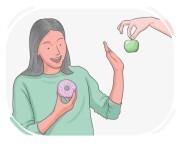
to like or value someone or something more than another and therefore choose them when given a choice
preferir
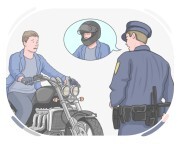
used to show that something is very important and needs to happen
deber
Los conductores deben obedecer las leyes de tránsito para garantizar la seguridad vial.
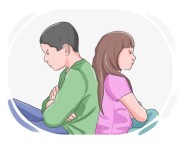
to really not like something or someone
odiar
Odio la comida picante porque me quema la boca.
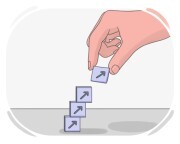
to not stop something, such as a task or activity, and keep doing it
continuar
Ella continuó estudiando hasta altas horas de la noche.
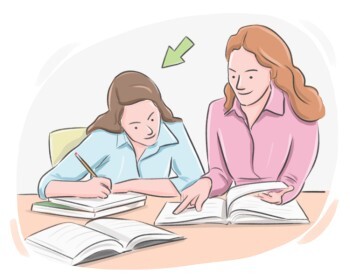
to become knowledgeable or skilled in something by doing it, studying, or being taught
aprender
Ellos están aprendiendo sobre historia en sus lecciones escolares.
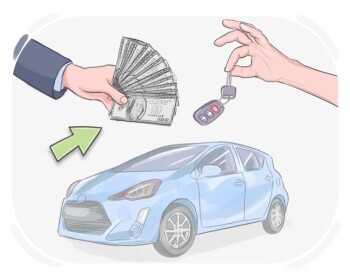
to give someone money in exchange for goods or services
pagar
Él pagó el servicio de limpieza para ordenar la casa.
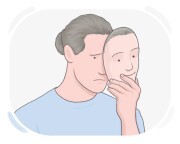
to give the impression of having a particular quality or being or doing something
used to express a preference for one option over another
preferir
