pattern

Elemental 2 - Cognición y Toma de Decisiones

Aquí aprenderás algunas palabras en inglés sobre cognición y toma de decisiones, como "adivinar", "opinión" y "decidir", preparadas para estudiantes de nivel elemental.

Revisión

Tarjetas de memoria

formas

Ortografía

Cuestionario
Empezar a aprender
Elementary 2
opinion
opinion
[Sustantivo]

your feelings or thoughts about a particular subject, rather than a fact

opinión

opinión

Ex: In his opinion, summer is the best season of the year. 

En su opinión, el verano es la mejor estación del año.

to guess
to guess
[Verbo]

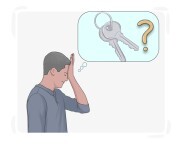
to consider something as true without being sure

suponer
suponer

Ex: I guess he'll be here in about 10 minutes. 

Supongo que estará aquí en unos 10 minutos.

to forget
to forget
[Verbo]

to not be able to remember something or someone from the past

olvidar

olvidar

Ex: She often forgets details about events from her early years. 

Ella a menudo olvida detalles sobre eventos de sus primeros años.

to suggest
to suggest
[Verbo]

to mention an idea, proposition, plan, etc. for further consideration or possible action

sugerir

sugerir

Ex: The professor suggested several topics for research papers in the upcoming semester. 

El profesor sugirió varios temas para los trabajos de investigación en el próximo semestre.

to dream
to dream
[Verbo]

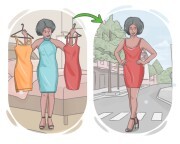
to experience something in our mind while we are asleep

soñar
soñar

Ex: Dreaming allows the mind to explore scenarios that may not be possible in reality. 

Soñar permite a la mente explorar escenarios que pueden no ser posibles en la realidad.

to decide
to decide
[Verbo]

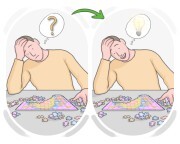
to think carefully about different things and choose one of them

decidir
decidir

Ex: Have they decided on a date for the meeting? 

¿Han decidido una fecha para la reunión?

to find out

to get information about something after actively trying to do so

enterarse de

enterarse de

Ex: We will find out the results of the test after it's graded. 

Vamos a averiguar los resultados de la prueba después de que sea calificada.
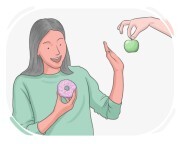
to prefer
to prefer
[Verbo]

to want or choose one person or thing instead of another because of liking them more

preferir

preferir

Ex: He prefers spending his weekends reading a good book rather than going to crowded events. 

Él prefiere pasar sus fines de semana leyendo un buen libro en lugar de ir a eventos concurridos.

focus
focus
[Sustantivo]

the act of directing your attention and energy toward a particular thing or task

foco
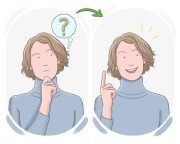
foco

Ex: Meditation helps to improve mental focus and clarity by training the mind to concentrate on the present moment. 

La meditación ayuda a mejorar la concentración mental y la claridad al entrenar la mente para concentrarse en el momento presente.

to realize
to realize
[Verbo]

to have a sudden or complete understanding of a fact or situation

saber, reconocer
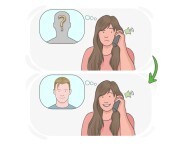
saber, reconocer

Ex: They only realized the importance of the meeting once it was too late. 

Solo se dieron cuenta de la importancia de la reunión cuando ya era demasiado tarde.

to recognize

to know who a person or what an object is, because we have heard, seen, etc. them before

reconocer
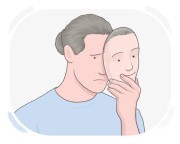
reconocer

Ex: The dog recognized its owner’s scent from a distance. 

El perro reconoció el olor de su dueño desde una distancia.

to seem
to seem
[Verbo]

to appear to be or do something particular

parecer, aparentar

parecer, aparentar

Ex: It may seem like a lot of work, but the end result will be rewarding. 

Puede parecer mucho trabajo, pero el resultado final será gratificante.

memory
memory
[Sustantivo]

the ability of mind to keep and remember past events, people, experiences, etc.

memoria

memoria

Ex: He has a photographic memory and can recall information with ease. 

Tiene una memoria fotográfica y puede recordar información con facilidad.

LanGeek
Descargar la aplicación LanGeek