pattern

Vocabulario de Compositores Clave - Johann Sebastian Bach

Revisión

Tarjetas de memoria

formas

Ortografía

Cuestionario

Empezar a aprender
Key Composers Vocabulary
Germany
Germany
[Sustantivo]

a country located in central Europe, known for its rich history, vibrant culture, and thriving economy

Alemania

Alemania

Ex: The Brandenburg Gate in Berlin is an iconic symbol of Germany's history and reunification. 
contest
contest
[Sustantivo]

an organized competition in which people or teams try to win

concurso, competencia, competición
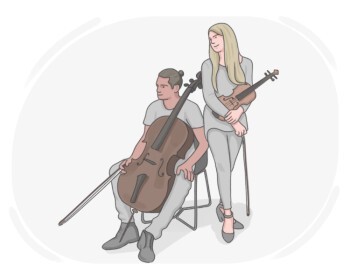
concurso, competencia, competición

Ex: Daniel won first prize in the writing contest. 
musician
musician
[Sustantivo]

a person who plays, performs, or composes music, especially professionally

músico
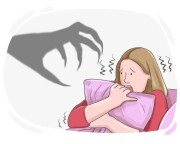
músico

Ex: Daniel became a full-time musician after graduating from college. 
scared
scared
[Adjetivo]

feeling frightened or anxious

asustado

asustado

Ex: The puppy was scared by the thunderstorm and hid under the bed. 

El cachorro fue asustado por la tormenta y se escondió debajo de la cama.

to run away

to escape from or suddenly leave a specific place, situation, or person, often in a hurried manner

huir rápidamente de un lugar situación o persona, marcharse de repente y escapar

huir rápidamente de un lugar situación o persona, marcharse de repente y escapar

Ex: The thief managed to run away from the scene of the crime before the police arrived. 

El ladrón logró huir de la escena del crimen antes de que llegara la policía.
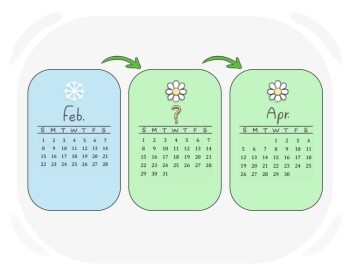
March
March
[Sustantivo]

the third month of the year, after February and before April

marzo

marzo

Ex: St. Patrick's Day is celebrated in March. 
to love
to love
[Verbo]

to like something or enjoy doing it a lot

adorar, amar

adorar, amar

Ex: I love listening to music while I work. 
musical
musical
[Adjetivo]

having a natural ability or strong interest in music

musical,  melómano
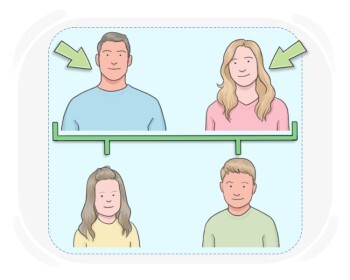
musical, melómano

Ex: As a musical child, he could pick up any instrument and make it sound beautiful. 
parent
parent
[Sustantivo]

our mother or our father

padre o madre

padre o madre

Ex: My parent, a loving and supportive figure, always encouraged me to pursue my dreams. 
to live
to live
[Verbo]

to share a place of residence with a particular person

vivir, convivir

vivir, convivir

Ex: He lived with his parents until he was 35. 
to teach
to teach
[Verbo]

to assist or enable someone to acquire some knowledge, skills, or abilities

enseñar, instruir
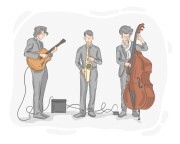
enseñar, instruir

Ex: The coach teaches basketball skills to the players, demonstrating proper shooting technique. 
to play
to play
[Verbo]

to perform music on a musical instrument

tocar, interpretar
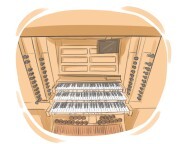
tocar, interpretar

Ex: Play a classical piece on the piano. 
organ
organ
[Sustantivo]

a large keyboard instrument that produces sound by forcing air through sets of pipes

órgano

órgano

Ex: Daniel practiced Bach on the organ before the evening concert. 
to introduce

to bring a new person or thing into a familiar setting

presentar, introducir

presentar, introducir

Ex: The company plans to introduce innovative technology into their operations. 
kind
kind
[Sustantivo]

a group of people or things that have similar characteristics or share particular qualities

tipo, clase

tipo, clase

Ex: The festival attracts people of different kinds, all celebrating together. 
church
church
[Sustantivo]

a building where Christians go to worship and practice their religion

iglesia

iglesia

Ex: They celebrated Easter at the church, singing hymns and participating in the religious ceremony. 
rich
rich
[Adjetivo]

owning a great amount of money or things that cost a lot

rico, adinerado
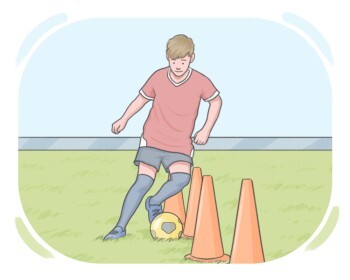
rico, adinerado

Ex: The rich family owned a private jet. 
practice
practice
[Sustantivo]

the act of repeatedly doing something to become better at doing it

práctica
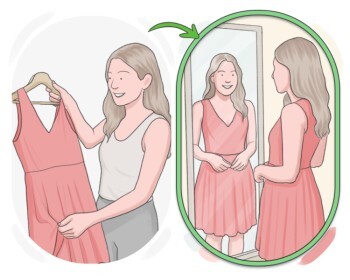
práctica

Ex: Language practice through conversation partners can enhance your fluency. 
to try
to try
[Verbo]

to test something by doing or using it to find out if it is suitable, useful, good, etc.

poner a prueba
poner a prueba

Ex: He tried sushi for the first time and found it delicious. 
to need
to need
[Verbo]

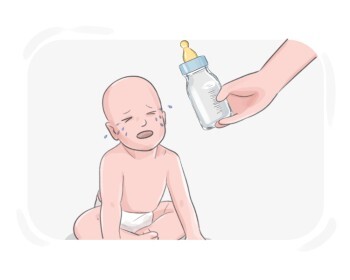
to want something or someone that we must have if we want to do or be something

necesitar

necesitar

Ex: She needs a ride to the airport tomorrow. 
leipzig
leipzig
[Sustantivo]

a city in southeastern Germany famous for fairs; formerly a music and publishing center

Leipzig, una ciudad en el sureste de Alemania famosa por sus ferias; anteriormente un centro de música y publicación
Leipzig, una ciudad en el sureste de Alemania famosa por sus ferias; anteriormente un centro de música y publicación

rest
rest
[Sustantivo]

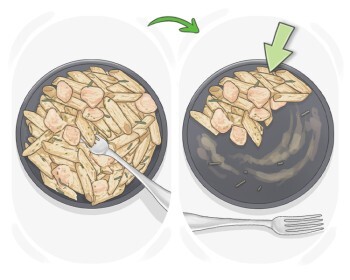
a part of something that is left

el resto, la parte restante
el resto, la parte restante

Ex: She used some of the money to pay bills and saved the rest for a vacation. 
to write
to write
[Verbo]

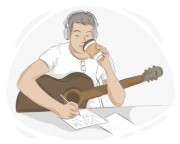
to compose a musical piece

componer, escribir
componer, escribir

Ex: She's known for writing touching lyrics for her songs. 
busy
busy
[Adjetivo]

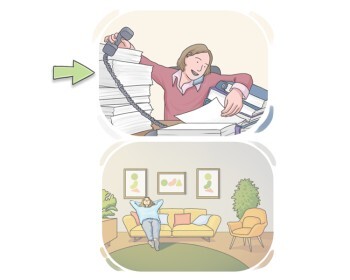
having so many things to do in a way that leaves not much free time

ocupado

ocupado

Ex: In the bustling city, people are constantly busy with work, errands, and social commitments. 
special
special
[Adjetivo]

different or better than what is normal

especial, particular

especial, particular

Ex: Their special relationship blossomed into a deep and meaningful friendship over the years. 
to sound
to sound
[Verbo]

to convey or make a specific impression when read about or when heard

sonar, parecer

sonar, parecer

Ex: Your friend's suggestion for a road trip sounds exciting. 
trick
trick
[Sustantivo]

a skillful or difficult action performed to demonstrate ability or entertain people

truco
truco

Ex: Daniel practiced the same bicycle trick for several weeks. 
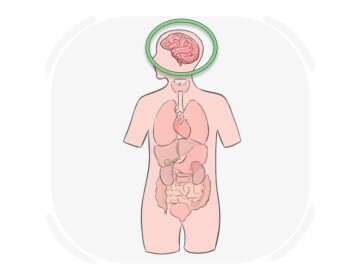
brain
brain
[Sustantivo]

the body part that is inside our head controlling how we feel, think, move, etc.

cerebro
cerebro

Ex: She used her brain to solve the difficult puzzle. 
quickly
quickly
[Adverbio]

with little or no delay

rápidamente,  pronto

rápidamente, pronto

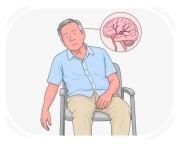
stroke
stroke
[Sustantivo]

a dangerous condition in which a person loses consciousness as a result of a blood vessel breaking open or becoming blocked in their brain, which could kill or paralyze a part of their body

apoplejía, derrame cerebral

apoplejía, derrame cerebral

Ex: Immediate medical attention is crucial for stroke treatment to minimize brain damage and potential long-term disabilities. 
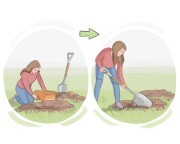
to notice
to notice
[Verbo]

to pay attention and become aware of a particular thing or person

darse cuenta de, notar, reconocer
darse cuenta de, notar, reconocer

Ex: Did you notice the new employee in our department? 
to bury
to bury
[Verbo]

to put a dead person or animal beneath the ground

enterrar, sepultar

enterrar, sepultar

Ex: Right now, the funeral director is burying the casket in the designated plot. 
quietly
quietly
[Adverbio]

in a calm or still manner, without movement or disturbance

tranquilamente, silenciosamente

tranquilamente, silenciosamente

Ex: The room was quietly peaceful after everyone left. 

La habitación estaba tranquilamente tranquila después de que todos se fueran.

LanGeek
Descargar la aplicación LanGeek