pattern

Słownictwo Kluczowych Kompozytorów - Johann Sebastian Bach

Przegląd

Fiszki

formy

Pisownia

Test

Zacznij naukę
Key Composers Vocabulary
Germany
Germany
[Rzeczownik]

a country located in central Europe, known for its rich history, vibrant culture, and thriving economy

Niemcy

Niemcy

Ex: Oktoberfest is a famous festival celebrated in Germany. 
contest
contest
[Rzeczownik]

a competition in which participants compete to defeat their opponents

konkurs, zawody
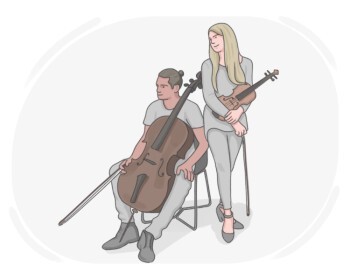
konkurs, zawody

Ex: The contest for the championship title was intense and thrilling. 
musician
musician
[Rzeczownik]

someone who plays a musical instrument or writes music, especially as a profession

muzyk, instrumentalista
muzyk, instrumentalista

Ex: As a musician, he finds inspiration in everyday sounds and rhythms. 
scared
scared
[przymiotnik]

feeling frightened or anxious

przestraszony, wystraszony
przestraszony, wystraszony

Ex: She was scared to walk alone in the dark. 
to run away
to run away
[Czasownik]

to escape from or suddenly leave a specific place, situation, or person, often in a hurried manner

uciekać, zbiec
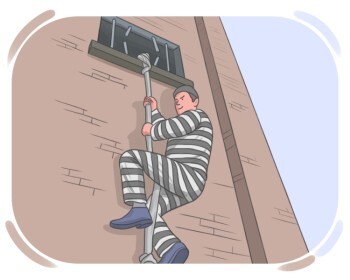
uciekać, zbiec

Ex: When the alarm sounded, the prisoners tried to run away from the jail. 
March
March
[Rzeczownik]

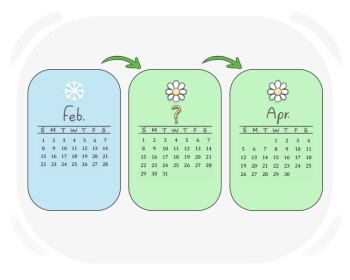
the third month of the year, after February and before April

marzec

marzec

Ex: March is a month when the weather starts to get warmer. 
to love
to love
[Czasownik]

to like something or enjoy doing it a lot

kochać, uwielbiać

kochać, uwielbiać

Ex: He loves cooking and trying out new recipes. 
musical
musical
[przymiotnik]

having a natural ability or strong interest in music

muzykalny,  meloman
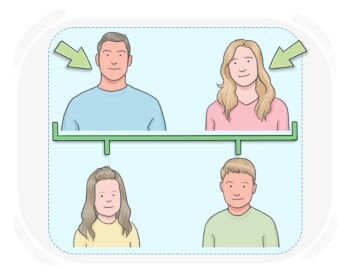
muzykalny, meloman

Ex: She is a highly musical person, able to play several instruments by ear. 
parent
parent
[Rzeczownik]

our mother or our father

rodzic, matka lub ojciec

rodzic, matka lub ojciec

Ex: As a single parent, she worked tirelessly to provide for her family and ensure their well-being. 
to live
to live
[Czasownik]

to share a place of residence with a particular person

żyć, mieszkać razem

żyć, mieszkać razem

Ex: He has lived with his aunt and uncle since his parents passed away. 
to teach
to teach
[Czasownik]

to assist or enable someone to acquire some knowledge, skills, or abilities

uczyć, nauczać
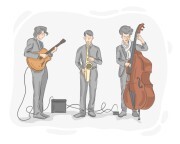
uczyć, nauczać

Ex: The swim instructor teaches children how to swim. 
to play
to play
[Czasownik]

to perform music on a musical instrument

grać, wykonywać
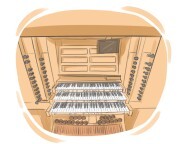
grać, wykonywać

Ex: He played Beethoven's Symphony No. 5 on the violin. 
organ
organ
[Rzeczownik]

a large keyboard instrument with rows of pipes in different sizes, each played by a separate set of keys, producing a wide range of tones

organy

organy

Ex: The church's organ filled the hall with majestic music during the wedding ceremony. 
to introduce
to introduce
[Czasownik]

to bring a new person or thing into a familiar setting

przedstawiać, wprowadzać
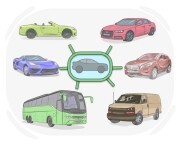
przedstawiać, wprowadzać

Ex: The teacher decided to introduce a new student to the class. 
kind
kind
[Rzeczownik]

a group of people or things that have similar characteristics or share particular qualities

rodzaj, kategoria
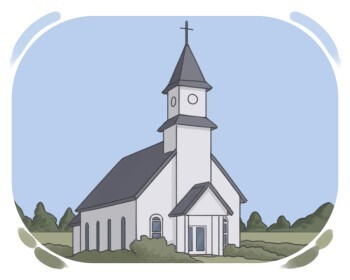
rodzaj, kategoria

Ex: At the museum, you can explore artifacts and relics from different historical kinds. 
church
church
[Rzeczownik]

a building where Christians go to worship and practice their religion

kościół

kościół

Ex: They attended Sunday service at the local church with their family. 
rich
rich
[przymiotnik]

owning a great amount of money or things that cost a lot

bogaty, zamożny
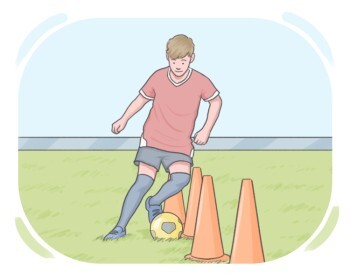
bogaty, zamożny

Ex: He invested wisely and became incredibly rich. 
practice
practice
[Rzeczownik]

the act of repeatedly doing something to become better at doing it

praktyka, ćwiczenie
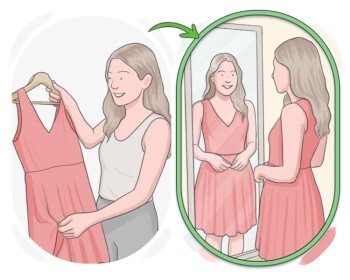
praktyka, ćwiczenie

Ex: Daily practice of yoga can improve flexibility and reduce stress. 
to try
to try
[Czasownik]

to test something by doing or using it to find out if it is suitable, useful, good, etc.

próbować, testować
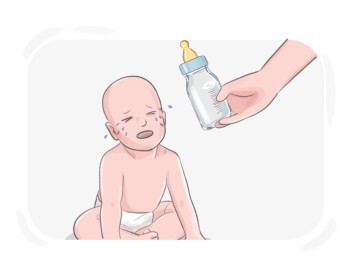
próbować, testować

Ex: Have you tried the new flavor of ice cream at the shop? 
to need
to need
[Czasownik]

to want something or someone that we must have if we want to do or be something

potrzebować, wymagać

potrzebować, wymagać

Ex: Do you need any help with your project? 
leipzig
leipzig
[Rzeczownik]

a city in southeastern Germany famous for fairs; formerly a music and publishing center

Lipsk, miasto w południowo-wschodnich Niemczech słynące z targów; dawniej centrum muzyki i wydawnictw
Lipsk, miasto w południowo-wschodnich Niemczech słynące z targów; dawniej centrum muzyki i wydawnictw

rest
rest
[Rzeczownik]

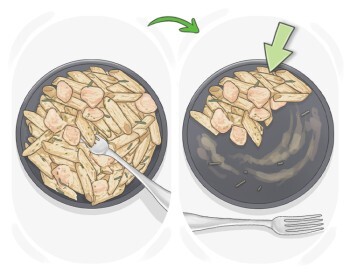
a part of something that is left

reszta, pozostała część
reszta, pozostała część

Ex: After finishing her meal, she put the rest of the food in the refrigerator. 
to write
to write
[Czasownik]

to compose a musical piece

komponować, pisać
komponować, pisać

Ex: He's been working hard to write a new guitar riff. 
busy
busy
[przymiotnik]

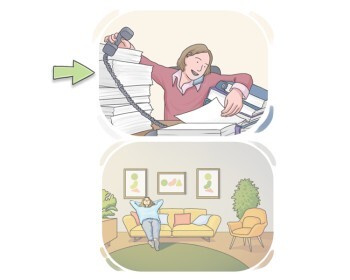
having so many things to do in a way that leaves not much free time

zajęty, zapracowany
zajęty, zapracowany

Ex: As a student, Jenny is always busy with assignments, exams, and extracurricular activities. 
special
special
[przymiotnik]

different or better than what is normal

specjalny, szczególny

specjalny, szczególny

Ex: That song holds a special place in her heart. 
to sound
to sound
[Czasownik]

to convey or make a specific impression when read about or when heard

brzmieć, wydawać się

brzmieć, wydawać się

Ex: The new movie sounds exciting; we should watch it. 
trick
trick
[Rzeczownik]

a skillful action or move, often done to show ability or entertain

sztuczka, umiejętność
sztuczka, umiejętność

Ex: The dog amazed everyone with a trick where it balanced a ball on its nose. 
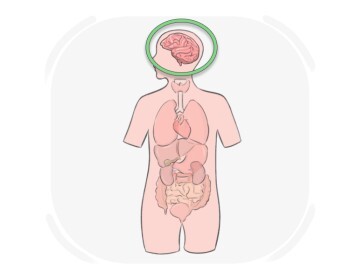
brain
brain
[Rzeczownik]

the body part that is inside our head controlling how we feel, think, move, etc.

mózg

mózg

Ex: He suffered a traumatic brain injury in a car accident. 
quickly
quickly
[przysłówek]

with little or no delay

szybko,  prędko

szybko, prędko

stroke
stroke
[Rzeczownik]

a dangerous condition in which a person loses consciousness as a result of a blood vessel breaking open or becoming blocked in their brain, which could kill or paralyze a part of their body

udar, wylew

udar, wylew

Ex: A stroke occurs when a blood vessel in the brain either becomes blocked (ischemic stroke) or bursts (hemorrhagic stroke). 
to notice
to notice
[Czasownik]

to pay attention and become aware of a particular thing or person

zauważyć, dostrzegać
zauważyć, dostrzegać

Ex: I couldn't help but notice the beautiful sunset as I walked along the beach. 
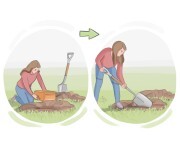
to bury
to bury
[Czasownik]

to put a dead person or animal beneath the ground

pochować, zakopać

pochować, zakopać

Ex: The family buries their beloved pet in the backyard. 
quietly
quietly
[przysłówek]

in a calm or still manner, without movement or disturbance

cicho, spokojnie

cicho, spokojnie

Ex: Her hands rested quietly on the table. 
LanGeek
Pobierz aplikację LanGeek