
Vocabulario del Transporte Marítimo - Ferry
Revisión
Tarjetas de memoria
formas
Ortografía
Cuestionario


a designed element, tool, or system incorporated into a product, equipment, or environment to protect users, prevent accidents, and ensure safe operation

característica de seguridad, dispositivo de seguridad
El botón de parada de emergencia del ascensor es una función de seguridad esencial.
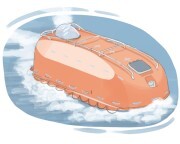
a boat used for saving people whose lives are at risk at sea
lancha de salvamento
Cada bote salvavidas del crucero está equipado con suministros de emergencia y dispositivos de comunicación.
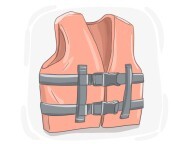
a special type of vest worn to help keep a person afloat in water, especially in case of an emergency
chaleco salvavidas, chaleco de flotación
Estaba agradecido por el chaleco salvavidas cuando el bote volcó.
(of a vehicle) to behave or respond in a particular way when being driven or controlled
comportarse, responder
¿Cómo se comporta el camión en terrenos difíciles?
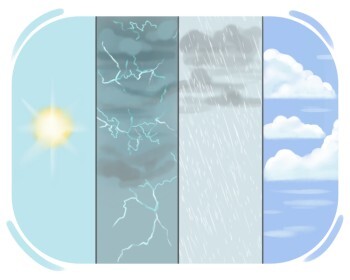
things that are related to air and sky such as temperature, rain, wind, etc.
clima
El tiempo está soleado y cálido hoy, perfecto para un picnic.
used to express exceeding a particular amount, level, or limit
más de, por encima de
La temperatura subió más de 35 grados.
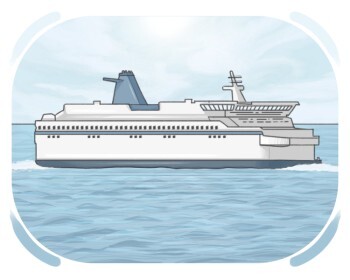
a boat or ship used to transport passengers and sometimes vehicles, usually across a body of water
ferry
Los coches y los peatones subieron al ferry para el viaje al continente.
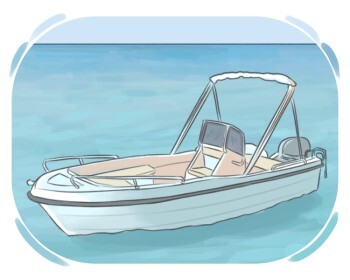
a type of small vehicle that is used to travel on water
bote
El barco se deslizaba lentamente por el río, llevado por la suave corriente.
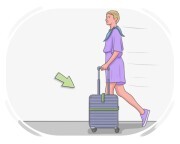
to hold someone or something and take them from one place to another
llevar
La corriente del río puede fácilmente llevar pequeños botes río abajo.
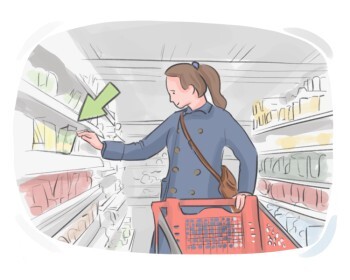
items made or produced for sale
bienes
El envío de mercancías llegó tarde, lo que causó un retraso en el reabastecimiento de los estantes.
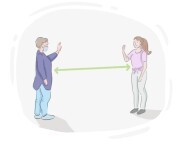
the length of the space that is between two places or points
distancia
El corredor de maratón entrenó para mejorar su resistencia y cubrir distancias más largas.
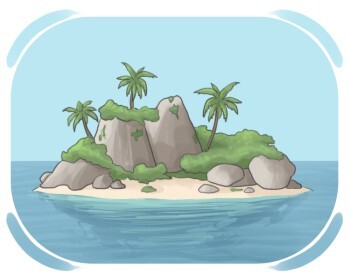
a piece of land surrounded by water
isla
La isla tenía atardeceres impresionantes que pintaban el cielo con tonos vibrantes.
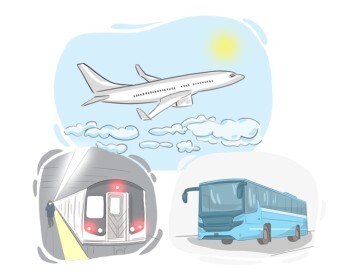
a system or method for carrying people or goods from one place to another by cars, trains, etc.
transporte
La empresa proporciona transporte gratuito para los empleados.
to trace the existence or origin of something to a specific point in time
remontarse, retroceder
El compromiso de la empresa con la sostenibilidad se remonta a décadas.
a small, narrow boat propelled by oars
bote de remos, chalupa
Compitieron con sus botes de remos a través de la bahía en una competencia amistosa.
a boat propelled primarily by sails, which capture the wind's power to move across the water
velero, barco de vela
Ajustó el aparejo del velero para atrapar más viento.
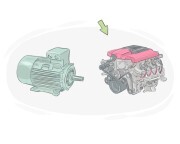
the part of a vehicle that uses a particular fuel to make the vehicle move
motor
Ella estudió ingeniería mecánica para aprender a diseñar y construir motores.

(of a surface) continuing in a straight line with no raised or low parts
plano
El paisaje era mayormente plano sin colinas ni montañas a la vista.
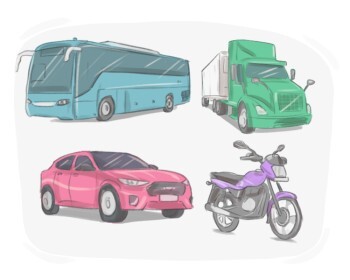
a means of transportation used to carry people or goods from one place to another, typically on roads or tracks
vehículo
Necesitas una licencia para conducir un vehículo.
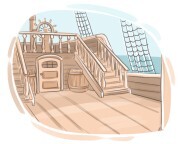
a ship or boat's upper outside floor
cubierta
Colocaron sillas en la cubierta para la fiesta nocturna.
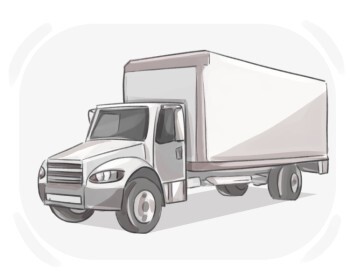
a large road vehicle used for carrying goods
camión
El motor del camión rugía mientras subía la empinada colina.
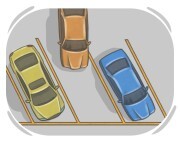
to move a car, bus, etc. into an empty place and leave it there for a short time
estacionar, aparcar, parquear
Los viajeros apresuradamente estacionaron sus bicicletas en el área designada antes de tomar el tren.
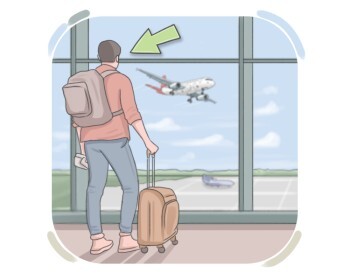
someone traveling in a vehicle, aircraft, ship, etc. who is not the pilot, driver, or a crew member
pasajero
El autobús estaba lleno de pasajeros durante el viaje matutino.
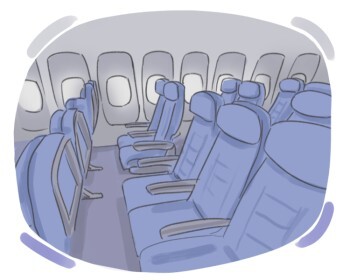
a place in a plane, train, theater, etc. that is designed for people to sit on, particularly one requiring a ticket
asiento
Encontró un asiento vacío en el autobús y se acomodó para el viaje.
a journey on a horse, bicycle, automobile, or machine
montar
Después de un largo día de senderismo, hicieron autostop para volver al campamento con un transeúnte amable.
to change or make someone or something change their position in an apparent way
mover
Ella movió el cursor por la pantalla para seleccionar un archivo.

(plural) necessary things, such as food, medicines, clothes, etc. for a group of people
existencias
El hospital enfrentó escasez de suministros médicos debido al aumento de la demanda durante la pandemia.
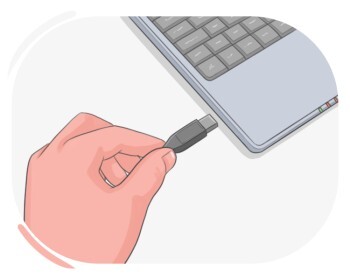
to join two or more things together
conectar
El puente conecta los dos lados del río, proporcionando un paso para peatones y vehículos.
the main part of a continent or country that is connected to a larger landmass, excluding surrounding islands or territories
continente, tierra firme
El continente tiene un clima diferente al de las islas circundantes.

known by a lot of people
famoso, célebre
Los turistas acuden en masa a la ciudad para visitar monumentos famosos como la Torre Eiffel.
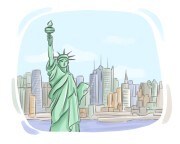
a city in New York State, USA, that is the most populated city in America and is famous for its Statue of Liberty
Nueva York, Nueva York
Se mudaron a Nueva York para mejores oportunidades laborales.
the largest Australian city located in southeastern Australia on the Tasman Sea; state capital of New South Wales; Australia's chief port
Sídney, la ciudad más grande de Australia ubicada en el sureste de Australia en el mar de Tasmania; capital del estado de Nueva Gales del Sur; principal puerto de Australia
the activity of traveling to different places for enjoyment, sightseeing, or relaxation
turismo, viaje de placer
El turismo trae muchos visitantes a la ciudad cada año.
| Vocabulario del Transporte Marítimo | |||
|---|---|---|---|
| Barco | Yate | Velero | Canoa |
| Kayak | Ferry | Barco | Remolcador |
| Submarino | Jet Ski | Barco Pontón | Bote de Remos |
| Barcaza | Transatlántico | Catamarán | Dinghy |
| Balsa | Góndola | Aerodeslizador | Goleta |
