
Vocabulario del Transporte Marítimo - Remolcador
Revisión
Tarjetas de memoria
Ortografía
Cuestionario

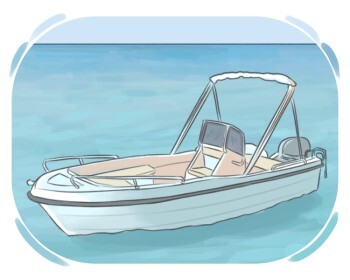
a type of small vehicle that is used to travel on water

bote
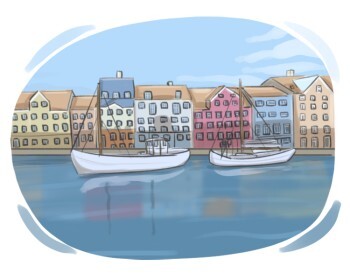
a sheltered area of water where ships and boats can anchor or remain safely
puerto
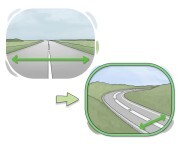
having a limited distance between opposite sides
estrecho, ajustado
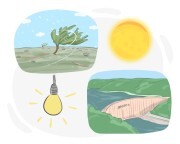
the energy that is obtained through different means, such as electrical or solar, to operate different equipment or machines
energía eléctrica

a machine that uses steam made from boiling water to produce power and make parts move
máquina de vapor, motor de vapor
La máquina de vapor cambió los viajes y el trabajo en el siglo XIX.
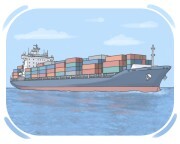
the act of transporting goods, particularly by sea
envío, transporte
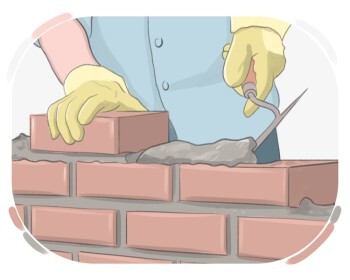
to put together different materials such as brick to make a building, etc.
construir
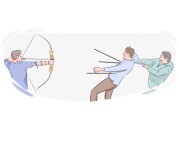
to prevent someone or something from being damaged or harmed
proteger
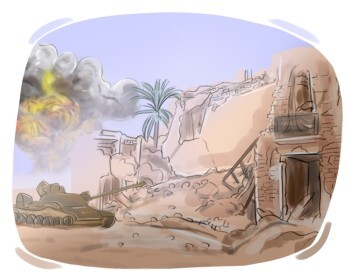
physical harm done to something
daño
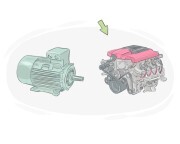
the part of a vehicle that uses a particular fuel to make the vehicle move
motor
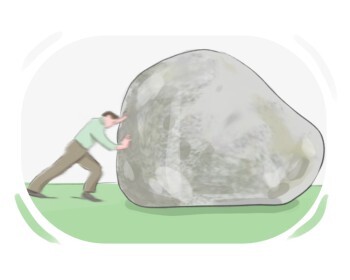
to use your hands, arms, body, etc. in order to make something or someone move forward or away from you
empujar
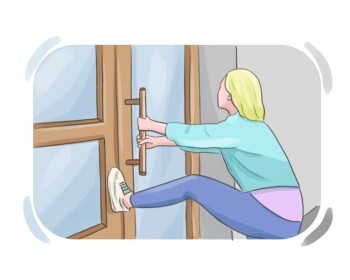
to use your hands to move something or someone toward yourself or in the direction that your hands are moving
tirar, jalar
a coordinated operation to save people or assets from immediate danger
misión de rescate, operación de salvamento
La guardia costera abortó la misión de rescate debido a vientos de fuerza huracanada.
to make a strong and continuous effort to achieve something
luchar
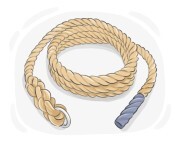
a strong, thick cord made by twisting or braiding strands of fiber, wire, or similar material together
cuerda, soga
a mechanical device used for hauling or lifting, consisting of a rotating drum around which a rope, cable, or chain is wound
cabrestante, torno
El camión estaba equipado con un cabrestante para remolcar cargas pesadas.
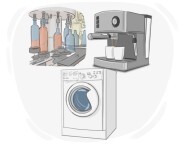
any piece of equipment that is mechanical, electric, etc. and performs a particular task
máquina
a flat piece of soft material used for protection, cushioning, cleaning, or absorbing liquid
almohadilla, compresa
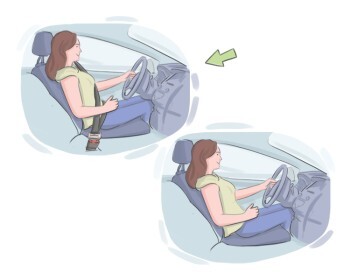
in a way that avoids harm or danger
sin peligro
El piloto aterrizó el avión de manera segura, asegurando una llegada suave y segura.
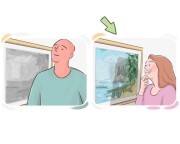
catching and keeping our attention because of being unusual, exciting, etc.
interesante
Mi vecino tiene una colección interesante de coches vintage.
to the fullest extent or to the final point
hasta el final, completamente
Conduje todo el camino hasta la playa solo para ver el atardecer.
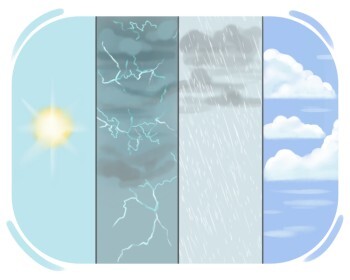
things that are related to air and sky such as temperature, rain, wind, etc.
clima
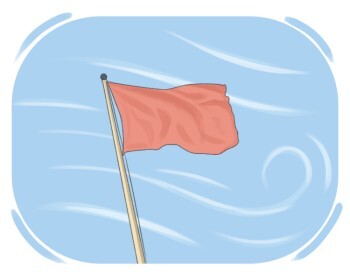
air that moves quickly or strongly in a current as a result of natural forces
viento

a raised body of water that moves along the surface of a sea, river, lake, etc.
ola
something heavy that is carried or transported
carga, peso
| Vocabulario del Transporte Marítimo | |||
|---|---|---|---|
| Barco | Yate | Velero | Canoa |
| Kayak | Ferry | Barco | Remolcador |
| Submarino | Jet Ski | Barco Pontón | Bote de Remos |
| Barcaza | Transatlántico | Catamarán | Dinghy |
| Balsa | Góndola | Aerodeslizador | Goleta |
