pattern

Vocabulario del Transporte Público - Autobús

Revisión

Tarjetas de memoria

formas

Ortografía

Cuestionario

Empezar a aprender
Public Transportation Vocabulary
school bus
school bus
[Sustantivo]

a large motor vehicle designed to transport students to and from school

autobús escolar, colectivo escolar

autobús escolar, colectivo escolar

Ex: The school bus driver reminded the students to remain seated while the bus was in motion. 

El conductor del autobús escolar recordó a los estudiantes que permanecieran sentados mientras el autobús estuviera en movimiento.

Germany
Germany
[Sustantivo]

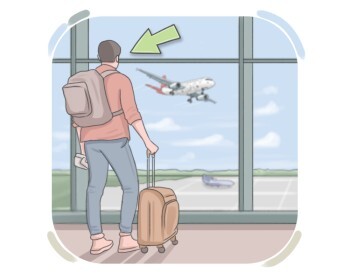
a country located in central Europe, known for its rich history, vibrant culture, and thriving economy

Alemania
Alemania

Ex: The Brandenburg Gate in Berlin is an iconic symbol of Germany's history and reunification. 
passenger
passenger
[Sustantivo]

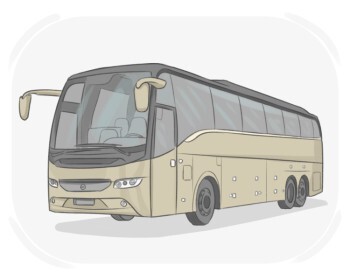
someone traveling in a vehicle, aircraft, ship, etc. who is not the pilot, driver, or a crew member

pasajero
pasajero

Ex: The bus was crowded with passengers during the morning commute. 
bus
bus
[Sustantivo]

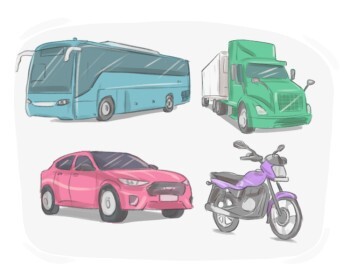
a large vehicle that carries many passengers by road

autobús, bus
autobús, bus

Ex: The bus driver greeted us with a smile as we boarded. 
vehicle
vehicle
[Sustantivo]

a means of transportation used to carry people or goods from one place to another, typically on roads or tracks

vehículo

vehículo

Ex: You need a license to drive a vehicle. 
to carry
to carry
[Verbo]

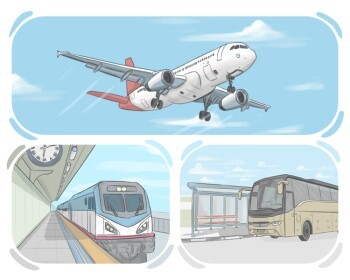
to hold someone or something and take them from one place to another

llevar
llevar

Ex: The river's current can easily carry small boats downstream. 
public transport
public transport
[Sustantivo]

the system of transport including buses, trains, etc. that are available for everyone to use, provided by the government or by companies

transporte público

transporte público

Ex: Many cities have invested in improving their public transport systems to make them more accessible to residents. 

Muchas ciudades han invertido en mejorar sus sistemas de transporte público para hacerlos más accesibles a los residentes.

to ride
to ride
[Verbo]

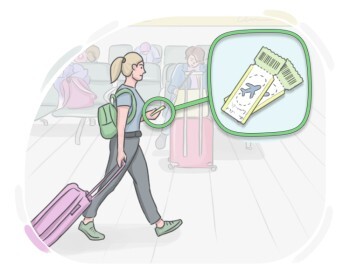
to travel in a vehicle such as a bus, car, etc.

ir
ir

Ex: In the crowded city, it's often more convenient to ride a taxi than to navigate public transportation. 
ticket
ticket
[Sustantivo]

a piece of paper or card that shows you can do or get something, like ride on a bus or attend an event

billete

billete

Ex: The flight attendant scanned my electronic ticket before I boarded the plane. 
to travel
to travel
[Verbo]

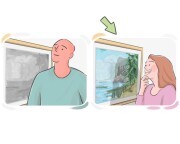
to journey or move across the entirety of a specific place

viajar, recorrer
viajar, recorrer

Ex: For their honeymoon, they chose to travel the the world. 
fixed
fixed
[Adjetivo]

(of a number) having a fixed and unchanging value

fijo, invariable

fijo, invariable

interesting
interesting
[Adjetivo]

catching and keeping our attention because of being unusual, exciting, etc.

interesante

interesante

Ex: My neighbor has an interesting collection of vintage cars. 

Mi vecino tiene una colección interesante de coches vintage.

France
France
[Sustantivo]

a country in Europe known for its famous landmarks such as the Eiffel Tower

Francia

Francia

Ex: Paris, the capital city of France, is home to iconic landmarks such as the Eiffel Tower and Notre-Dame Cathedral. 
England
England
[Sustantivo]

the largest country in the United Kingdom, located in Western Europe

Inglaterra

Inglaterra

Ex: England is known for its diverse cultural scene, with contributions to literature, music, and art throughout history. 
motorized
motorized
[Adjetivo]

fitted with a motor or engine, enabling movement or operation without manual effort

motorizado, equipado con motor

motorizado, equipado con motor

Ex: The motorized blinds adjust automatically based on sunlight. 

Las persianas motorizadas se ajustan automáticamente según la luz solar.

to appear
to appear
[Verbo]

to become visible and noticeable

aparecer

aparecer

Ex: The first signs of spring appeared as the flowers started to bloom and the trees budded. 
steam engine
steam engine
[Sustantivo]

a machine that uses steam made from boiling water to produce power and make parts move

máquina de vapor, motor de vapor

máquina de vapor, motor de vapor

Ex: The steam engine changed travel and work in the 1800s. 

La máquina de vapor cambió los viajes y el trabajo en el siglo XIX.

gas engine
gas engine
[Sustantivo]

an internal-combustion engine similar to a gasoline engine but using natural gas instead of gasoline vapor

motor de gas, motor de combustión interna que funciona con gas

motor de gas, motor de combustión interna que funciona con gas

reliable
reliable
[Adjetivo]

able to be trusted to perform consistently well and meet expectations

fiable

fiable

Ex: Despite challenges, the reliable employee consistently meets deadlines and exceeds expectations. 

A pesar de los desafíos, el empleado confiable cumple constantemente con los plazos y supera las expectativas.

World War II
World War II
[Sustantivo]

the war that took place from the year 1939 to 1945 between the axis and the allies

Segunda Guerra Mundial, II Guerra Mundial
Segunda Guerra Mundial, II Guerra Mundial

transport
transport
[Sustantivo]

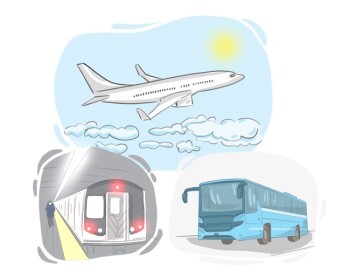
a system or method for carrying people or goods from a place to another by trains, cars, etc.

transporte

transporte

Ex: The government invested in improving transport infrastructure to reduce traffic congestion. 
solution
solution
[Sustantivo]

a way in which a problem can be solved or dealt with

solución

solución

Ex: The puzzle enthusiast quickly found the solution to the crossword puzzle. 
cheap
cheap
[Adjetivo]

having a low price

barato

barato

Ex: The hotel room was cheap, but it lacked amenities. 
to reduce
to reduce
[Verbo]

to make something smaller in amount, degree, price, etc.

reducir
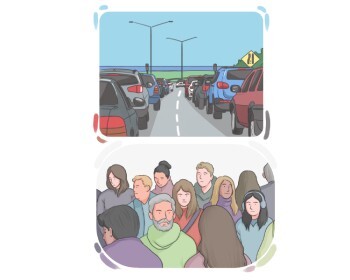
reducir

Ex: The government implemented measures to reduce pollution in urban areas. 
traffic
traffic
[Sustantivo]

the coming and going of cars, airplanes, people, etc. in an area at a particular time

tráfico

tráfico

Ex: Air traffic at the airport increased significantly during the holiday season. 

El tráfico aéreo en el aeropuerto aumentó significativamente durante la temporada de vacaciones.

government
government
[Sustantivo]

the group of politicians in control of a country or state

gobierno

gobierno

Ex: The government is responsible for ensuring that laws are followed and citizens' rights are protected. 
bus stop
bus stop
[Sustantivo]

a place at the side of a road that is usually marked with a sign, where buses regularly stop for passengers

parada de autobús

parada de autobús

Ex: He always checks the bus schedule at the bus stop to ensure he doesn't miss his ride. 

Siempre revisa el horario del autobús en la parada de autobús para asegurarse de no perder su viaje.

floor
floor
[Sustantivo]

all the rooms of a building that are on the same level

piso, planta

piso, planta

Ex: The basement floor served as storage space for equipment and supplies, with access to the building's utility systems. 
double-decker
double-decker
[Sustantivo]

a vehicle such as a bus, train, or ship with two levels on top of one another, providing additional seating capacity

autobús de dos pisos

autobús de dos pisos

Ex: The double-decker train was packed with commuters during rush hour, utilizing space efficiently. 

El tren de dos pisos estaba lleno de pasajeros durante la hora punta, utilizando el espacio de manera eficiente.

bendy
bendy
[Adjetivo]

able to bend easily without breaking

flexible, dócil

flexible, dócil

Ex: They used a bendy stick to reach the ball under the couch. 

Usaron un palo flexible para alcanzar la pelota debajo del sofá.

articulated
articulated
[Adjetivo]

made up of distinct, connected parts that can move or bend

articulado, compuesto de partes distintas conectadas

articulado, compuesto de partes distintas conectadas

Ex: Her speech was perfectly articulated, capturing everyone's attention. 

Su discurso estaba perfectamente articulado, captando la atención de todos.

environment
environment
[Sustantivo]

the natural world around us where people, animals, and plants live

entorno, medio ambiente

entorno, medio ambiente

Ex: Pollution is a major threat to our environment. 
to cause
to cause
[Verbo]

to make something happen, usually something bad

causar, provocar
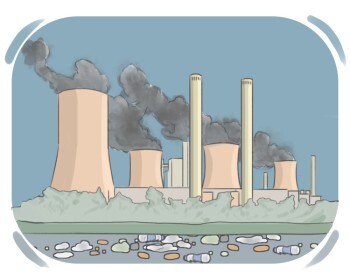
causar, provocar

Ex: Are you trying to cause a misunderstanding with your words? 
pollution
pollution
[Sustantivo]

a change in water, air, etc. that makes it harmful or dangerous

contaminación, polución

contaminación, polución

Ex: Due to the severe pollution, many species of birds no longer visit the area. 
tourist
tourist
[Sustantivo]

someone who visits a place or travels to different places for pleasure

turista

turista

Ex: She worked as a tour guide, assisting tourists in understanding the history of the city. 
sight
sight
[Sustantivo]

places that tourists are interested in, particularly those with historical, cultural, or natural significance

vista

vista

Ex: Local tour guides often provide insightful commentary as they lead visitors through the sights, offering fascinating anecdotes and historical context. 
LanGeek
Descargar la aplicación LanGeek