pattern

Vocabulario de Vehículos No Motorizados - Carruaje

Revisión

Tarjetas de memoria

formas

Ortografía

Cuestionario

Empezar a aprender
Non-motorized Vehicles Vocabulary
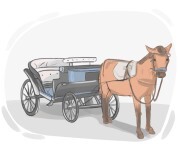
carriage
carriage
[Sustantivo]

a wheeled vehicle, usually with four wheels, that is pulled by one or more horses and carries people

carruaje, coche
carruaje, coche

Ex: The horses pulled the carriage slowly along the narrow road. 
vehicle
vehicle
[Sustantivo]

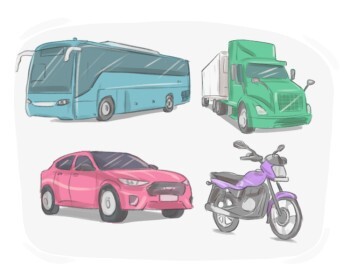
a means of transportation used to carry people or goods from one place to another, typically on roads or tracks

vehículo

vehículo

Ex: You need a license to drive a vehicle. 
wheel
wheel
[Sustantivo]

any of the circular objects typically found under vehicles like cars, bicycles, buses, etc., used to make movement possible by turning

rueda, llanta

rueda, llanta

Ex: They replaced the old wheels with new ones for better performance. 
to carry
to carry
[Verbo]

to hold someone or something and take them from one place to another

llevar

llevar

Ex: The river's current can easily carry small boats downstream. 
to invent
to invent
[Verbo]

to create or design something new that did not previously exist

inventar

inventar

Ex: Engineers invented a new material that can withstand extreme heat. 
royal family
royal family
[Sustantivo]

the king, queen, their children, and close relatives, often holding significant historical, cultural, and political influence within a monarchy

familia real, dinastía real

familia real, dinastía real

Ex: She grew up fascinated by the stories of different royal families around the world. 

Creció fascinada por las historias de las diferentes familias reales alrededor del mundo.

wedding
wedding
[Sustantivo]

a ceremony or event where two people are married

boda, matrimonio

boda, matrimonio

Ex: They planned a beach wedding for their special day. 
king
king
[Sustantivo]

the male ruler of a territorial unit that has a royal family

rey

rey

Ex: The king's coronation ceremony was attended by nobles from across the realm. 
queen
queen
[Sustantivo]

the female ruler of a territorial unit that has a royal family

reina

reina

Ex: The queen addressed her subjects from the balcony of the palace on her birthday. 
noble
noble
[Sustantivo]

a person belonging to a hereditary social class of high rank

aristócrata, noble

aristócrata, noble

Ex: She was a wealthy noble with close connections to the royal court. 
to decorate

to make something more attractive by adding ornaments, colors, or other decorative features

decorar, adornar

decorar, adornar

Ex: Sarah decorated the cake with fresh berries. 
nicely
nicely
[Adverbio]

in a way that is acceptable or satisfactory

bien

bien

Ex: The dress fits her nicely. 

El vestido le queda bien.

fancy
fancy
[Adjetivo]

elaborate, decorative, or unusually sophisticated in a way intended to impress

lujoso
lujoso

Ex: The restaurant uses fancy plates and elaborate decorations. 
public transport
public transport
[Sustantivo]

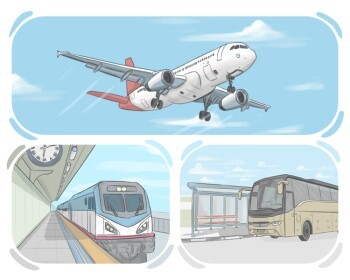
the system of transport including buses, trains, etc. that are available for everyone to use, provided by the government or by companies

transporte público

transporte público

Ex: Many cities have invested in improving their public transport systems to make them more accessible to residents. 

Muchas ciudades han invertido en mejorar sus sistemas de transporte público para hacerlos más accesibles a los residentes.
to pay
to pay
[Verbo]

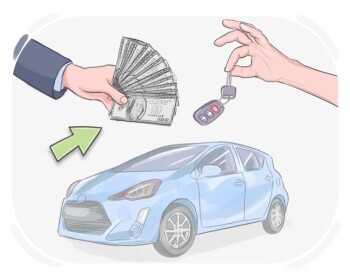
to give someone money in exchange for goods or services

pagar

pagar

Ex: He paid the cleaning service to tidy up the house. 
to ride
to ride
[Verbo]

to travel in a vehicle such as a bus, car, etc.

ir

ir

Ex: In the crowded city, it's often more convenient to ride a taxi than to navigate public transportation. 
destination
destination
[Sustantivo]

the place to which someone or something is traveling or being sent

destino

destino

Ex: Emma entered the destination into the navigation system. 
to reach
to reach
[Verbo]

to get to your planned destination

llegar

llegar

Ex: They didn't reach the border until after dark. 
well-known
well-known
[Adjetivo]

widely recognized or acknowledged

bien conocido, famoso

bien conocido, famoso

Ex: The Eiffel Tower is a well-known landmark in Paris. 

La Torre Eiffel es un hito bien conocido en París.

stagecoach
stagecoach
[Sustantivo]

a large, horse-drawn carriage used to carry passengers over long distances, often between towns

diligencia, carruaje de línea

diligencia, carruaje de línea

Ex: The stagecoach was heavily loaded with mail and parcels. 

La diligencia estaba cargada con mucho correo y paquetes.
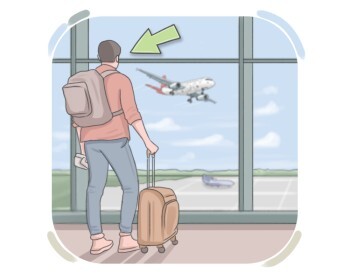
passenger
passenger
[Sustantivo]

someone traveling in a vehicle, aircraft, ship, etc. who is not the pilot, driver, or a crew member

pasajero

pasajero

Ex: The bus was crowded with passengers during the morning commute. 
mail
mail
[Sustantivo]

letters and packages sent and delivered by post

correo

correo

Ex: I received a lot of mail while I was on vacation. 
coachman
coachman
[Sustantivo]

a person who drives a horse-drawn coach or carriage, often responsible for handling the horses and ensuring safe transport

cochero, conductor de carruaje

cochero, conductor de carruaje

Ex: The coachman waited patiently while the passengers boarded the coach. 

El cochero esperó pacientemente mientras los pasajeros subían al carruaje.

rein
rein
[Sustantivo]

a strap or rope attached to a bridle, used by a rider to control a horse

rienda

rienda

Ex: The reins were held firmly during the jump to maintain control. 

Las riendas se sostuvieron firmemente durante el salto para mantener el control.

to guide
to guide
[Verbo]

to show the correct way or place to someone

guiar

guiar

Ex: GPS devices guide drivers to their intended destinations. 
everyday
everyday
[Adjetivo]

suitable or practical for regular, daily use, rather than for special occasions

cotidiano, de todos los días

cotidiano, de todos los días

Ex: The jacket is perfect for everyday use, keeping you warm without being too formal. 

La chaqueta es perfecta para el uso cotidiano, manteniéndote abrigado sin ser demasiado formal.
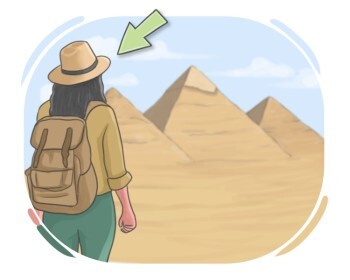
tourist
tourist
[Sustantivo]

someone who visits a place or travels to different places for pleasure

turista

turista

Ex: She worked as a tour guide, assisting tourists in understanding the history of the city. 
historical
historical
[Adjetivo]

belonging to or significant in the past

histórico

histórico

Ex: The town is known for its historical monuments and ancient architecture. 

El pueblo es conocido por sus monumentos históricos y su arquitectura antigua.
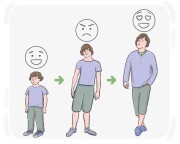
to experience

to personally be involved in and understand a particular situation, event, etc.

experimentar

experimentar

Ex: It's essential to experience failure to truly appreciate success. 
horse-drawn
horse-drawn
[Adjetivo]

pulled or powered by a horse or horses

tirado por caballos, de tracción animal

tirado por caballos, de tracción animal

Ex: The parade featured a beautifully decorated horse-drawn float. 

El desfile presentó una carroza tirada por caballos bellamente decorada.

activity
activity
[Sustantivo]

something that a person spends time doing, particularly to accomplish a certain purpose

actividad

actividad

Ex: Playing board games with family is an entertaining activity for the weekends. 
local
local
[Sustantivo]

an inhabitant of a particular area or community

habitante, local

habitante, local

Ex: The festival is a favorite event among the locals. 
LanGeek
Descargar la aplicación LanGeek