
Mots Irréguliers - Verbes à double forme : Émotion, expérience et cognition
Réviser
Flashcards
Orthographe
Quiz


to experience a particular emotion

se sentir
Sa gentillesse et son soutien lui ont fait se sentir aimée et valorisée.

to search and discover something or someone that we have lost or do not know the location of
trouver
Il a cherché son téléphone portable manquant, mais il était introuvable.

to begin to be something or develop into a particular state, condition, or role
devenir

to have or continue to have something
tenir
Il a trouvé un portefeuille perdu dans la rue et a décidé de le garder jusqu'à ce qu'il puisse trouver le propriétaire.
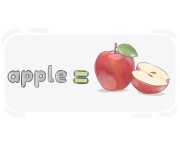
to have a particular meaning or represent something
signifier, vouloir dire
La sirène signifie qu'il y a une urgence.

to make an effort to achieve or obtain something
chercher,rechercher
Il a cherché à comprendre le concept complexe en lisant davantage à ce sujet.

to have a type of belief or idea about a person or thing
penser
Je ne pense pas qu'elle soit honnête au sujet de ses intentions.

to hold or own something
avoir
Ils avaient autrefois une maison de plage.
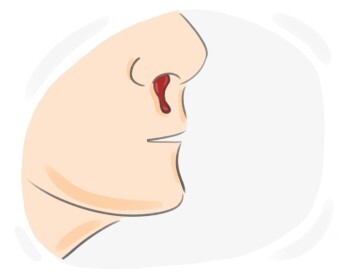
to lose blood from an injury or wound
saigner
Lorsque l'athlète a eu une coupure profonde au genou, cela a commencé à saigner abondamment.
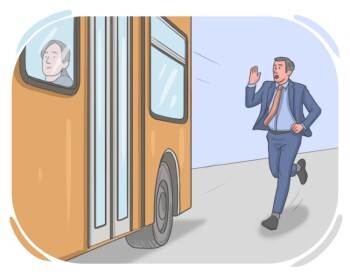
to be deprived of or stop having someone or something
perdre
La ville a perdu le courant pendant la panne d'électricité.

to rest our mind and body, with our eyes closed
dormir
Je dois dormir tôt ce soir parce que j'ai une réunion importante demain.

to shed tears due to strong feelings of sadness
pleurer,sangloter
L'histoire touchante a fait pleurer le public d'empathie.

to become the most successful, the luckiest, or the best in a game, race, fight, etc.
gagner
Malgré les défis, ils ont réussi à remporter le contrat.
to resist or endure the force, pressure, or challenges imposed upon oneself
résister,supporter
L'athlète s'est entraîné rigoureusement pour résister aux exigences physiques de la compétition.
