pattern

Palabras Irregulares - Verbos de doble forma: Emoción, experiencia y cognición

Revisión

Tarjetas de memoria

formas

Ortografía

Cuestionario

Empezar a aprender
Categorized English Irregular Words
to feel
to feel
[Verbo]

to experience a particular emotion

sentir

sentir

Ex: She felt embarrassed when she realized her mistake. 

Ella se sintió avergonzada cuando se dio cuenta de su error.

to find
to find
[Verbo]

to search and discover something or someone that we have lost or do not know the location of

encontrar
encontrar

Ex: She says that she can't find her phone anywhere, but I don't believe her. 

Ella dice que no puede encontrar su teléfono en ninguna parte, pero no le creo.

to become
to become
[Verbo]

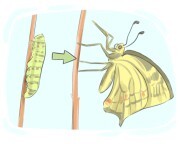
to start or grow to be

convertirse en, volverse, hacerse, llegar a ser
convertirse en, volverse, hacerse, llegar a ser

Ex: I became interested in photography after attending a workshop. 

Me volví interesado en la fotografía después de asistir a un taller.

to keep
to keep
[Verbo]

to have or continue to have something

tener
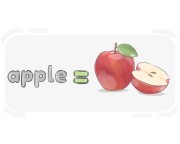
tener

Ex: Make sure to keep a spare set of keys in case you get locked out. 

Asegúrate de tener un juego de llaves de repuesto por si te quedas encerrado.

to mean
to mean
[Verbo]

to have a particular meaning or represent something

significar

significar

Ex: The white flag means surrender. 

La bandera blanca significa rendición.

to seek
to seek
[Verbo]

to make an effort to achieve or obtain something

buscar, pretender
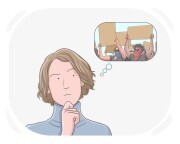
buscar, pretender

Ex: They sought to solve the problem by brainstorming solutions. 

Intentaron resolver el problema buscando soluciones.

to think
to think
[Verbo]

to have a type of belief or idea about a person or thing

pensar
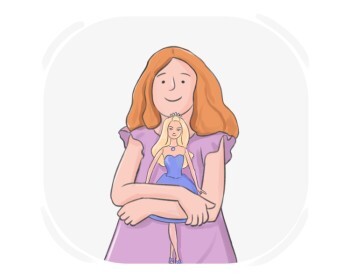
pensar

Ex: I think that the company should focus on sustainability. 

Yo pienso que la empresa debería centrarse en la sostenibilidad.

to have
to have
[Verbo]

to hold or own something

tener

tener

Ex: Does your friend have a reliable computer? 

¿Tiene tu amigo una computadora confiable?

to bleed
to bleed
[Verbo]

to lose blood from an injury or wound

sangrar

sangrar

Ex: It's essential to apply pressure to a wound to stop it from bleeding excessively. 

Es esencial aplicar presión a una herida para evitar que sangre excesivamente.
to lose
to lose
[Verbo]

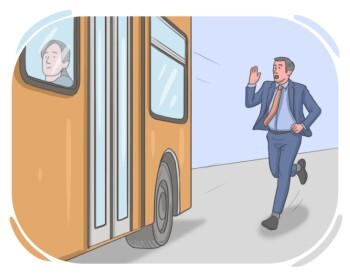
to be deprived of or stop having someone or something

perder
perder

Ex: She began to lose interest in the project as it became more complicated. 

Ella comenzó a perder interés en el proyecto a medida que se volvía más complicado.

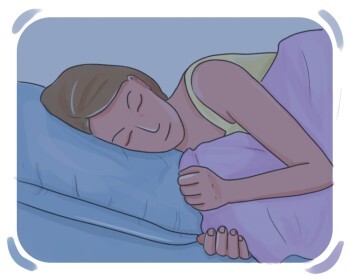
to sleep
to sleep
[Verbo]

to rest our mind and body, with our eyes closed

dormir

dormir

Ex: I often have vivid dreams when I sleep deeply. 

A menudo tengo sueños vívidos cuando duermo profundamente.

to weep
to weep
[Verbo]

to shed tears due to strong feelings of sadness

llorar, sollozar
llorar, sollozar

Ex: Seeing the old photographs brought a nostalgic tear, and he started to weep. 

Ver las viejas fotografías trajo una lágrima nostálgica, y él comenzó a llorar.

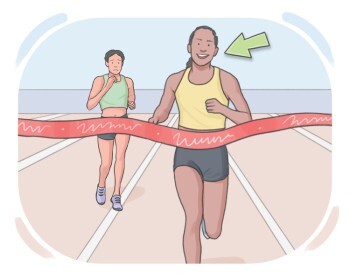
to win
to win
[Verbo]

to become the most successful, the luckiest, or the best in a game, race, fight, etc.

ganar
ganar

Ex: Did the home team win the basketball game last night? 

¿Ganó el equipo local el partido de baloncesto anoche?

to withstand

to resist or endure the force, pressure, or challenges imposed upon oneself

resistir, aguantar

resistir, aguantar

Ex: Plants in arid climates have adaptations to withstand drought conditions. 

Las plantas en climas áridos tienen adaptaciones para resistir las condiciones de sequía.

LanGeek
Descargar la aplicación LanGeek