
Szókincs az IELTS Academichez (Pontszám 8-9) - Állatok
Itt megtanulsz néhány állatokkal kapcsolatos angol szót, amelyek szükségesek az akadémikus IELTS vizsgához.
Áttekintés
Villámkártyák
Betűzés
Kvíz

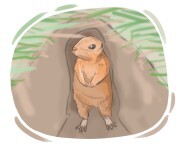
a hole that an animal digs in the ground to use as a shelter

odú, lyuk
A prérikutya kiterjedt odú-rendszerekben él, amelyek védelmet nyújtanak a ragadozókkal és a zord időjárással szemben.
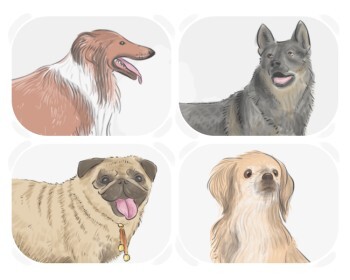
a member of the dog family, including domestic dogs, wolves, foxes, and related animals
kutya, kutyaféle
Éles szaglásukkal sok kutyaféle fajt, például vérebeket, használnak eltűnt személyek és állatok nyomon követésére.
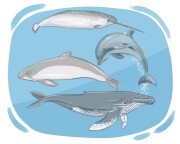
a marine mammal that belongs to the group known as Cetacea, which comprises whales, dolphins, and porpoises
cet, tengeri emlős
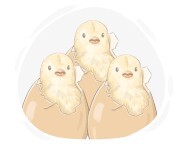
all the young of a bird hatched at the same time, or the young of an animal cared for together
fészekalja, utódok
A kacsa fiókái egy szabályos sorban követték, miközben a tó biztonságához vezette őket.
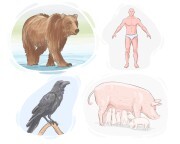
an animal that eats both plant and animal matter
mindenevő, omnivor
A sertéseket mindenevőknek tekintik, mert gyökereket és kis állatokat esznek.
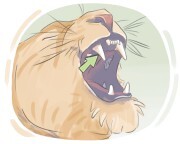
a long, pointed tooth found in carnivorous animals, used for biting, gripping, and tearing flesh
agyar, éles fogak
A farkasok megmutatják agyarukat, hogy elijesszék a riválisokat.
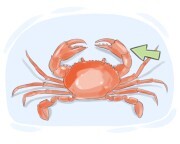
any of the sharp curved organs of an arthropod or insect, such as a crab, lobster, etc.
olló, fogó
A homár ollói félelmetesek voltak, mind a zsákmány vadászatára, mind a ragadozók elriasztására használták.

the skin of an animal with the fur, wool, or hair still covering it
bőr, prém
A szőrmekereskedők magas minőségű hódok és vidrák bőrét keresték, hogy ellássák a jövedelmező szőrmekereskedelem 19. századi igényeit.
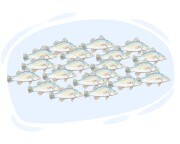
a large number of fish swimming together
raj, halraj
A delfineket gyakran látják, ahogy halrajokat hajtanak, együtt dolgoznak, hogy körülvegyék zsákmányukat a könnyű fogás érdekében.
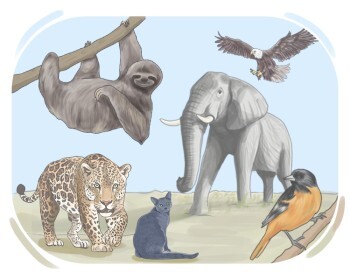
the animals of a particular geological period or region
fauna, állatok
A tengerbiológus a korallzátony faunáját tanulmányozta, dokumentálva a halak, korallok és rákok különféle fajtait.
(of an animal) active during the twilight hours of dawn and dusk
szürkületi, esti
A madárfigyelők hajnalban gyűltek össze a természetvédelmi területen, remélve, hogy megpillanthatják a szürkületi baglyokat, amint visszatérnek fészkükhöz.
relating to or denoting animals that regulate their body temperature by external sources, such as the surrounding environment
ektoterm, hidegvérű
A teknősök, mivel ektotermikusak, gyakran napoznak, hogy emeljék testhőmérsékletüket.
(of an animal) generating and regulating their own body heat internally
endoterm, melegvérű
having characteristics, appearance, or behavior similar to a horse
lószerű, lóhoz hasonló
Hosszú, keskeny arcának lószerű profilja volt.
producing eggs that develop and hatch outside the body
tojó, tojást rakó
A hüllők, például a teknősök és a kígyók, tojólékonyak, az embriók a anyatestén kívül fejlődnek ki a tojásokban.
(of animals) adapted to or living high in trees, rather than on the ground
fán élő, fákban lakó
Fürge fán élő hüllőkként a trópusi erdők sok gyíkfaja hosszú farokkal és megragadásra alkalmazkodott végtagokkal rendelkezik, hogy hatékonyan tudjon átjutni az ágak rétegzett gubancain.
feeding primarily on fish
halevő, főleg halakkal táplálkozó
A halevő emlősök, például a fókák és a delfinek, főleg halból álló étrendre támaszkodnak.
of or relating to monkeys or apes
majomszerű, majom-
A gyerek csintalan mosolya és fürge mozdulatai a természetfilmekben látott majom-bolondozásra emlékeztették.
brought from a wild state under human control or accustomed to humans
szelídített, szelíd
A hajdan vad ló szelíd lett a gyengéd edzés után.
related to or living on land, rather than in the sea or air
szárazföldi, kontinentális
Míg a delfinek és a bálnák uralják az óceánokat, az oroszlánok és az elefántok a szárazföldi élőhelyek királyai közé tartoznak.
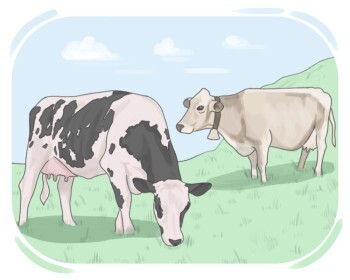
relating to or characteristic of cows or cattle
marha-, szarvasmarhával kapcsolatos
A szarvasmarha genetikai kutatás célja a szarvasmarhák kívánatos tulajdonságainak javítása a termelékenység növelése érdekében.
relating to or characteristic of birds
madár-, a madarakkal kapcsolatos
Az állatkert lenyűgöző gyűjteményt mutat be a világ minden tájáról származó madárfajokból.
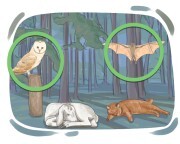
(of animals or organisms) primarily active during the night
éjszakai
A denevérek éjszakai lények, nappal alszanak és napnyugta után válnak aktívvá.
primarily active or occurring during the daytime
nappali, nappal aktív
A nappali állatok, például a mókusok és a szarvasok, gyakran láthatók nappal, amint táplálékot keresnek és kölcsönhatásba lépnek természetes élőhelyükön.
feeding on or adapted to a diet that consists primarily or exclusively of insects
rovarevő, rovarokkal táplálkozó
A rovarász növények, mint a Vénusz légycsapója, rovarokat fogják be és emésztenek el tápanyagforrásként.
to blend in with the surroundings to avoid being seen or detected
álcáz, beleolvad
A madarak gyakran álcázzák fészküket, hogy megvédjék tojásaikat.
| Szókincs az IELTS Academichez (Pontszám 8-9) | |||
|---|---|---|---|
| Háború | Mérés | Érzelmek | Utazás és Migráció |
| Időjárás | Szennyezés | Katasztrófák | Állatok |
| Étel és Ital | Módhatározók | ||
