
pattern

非自動車用語集 - セグウェイ

レビュー

フラッシュカード

綴り

クイズ

学習を開始
Non-motorized Vehicles Vocabulary
Segway
Segway
[名詞]

a self-balancing electric vehicle used for short-distance transportation

セグウェイ, 自走式電気車両

セグウェイ, 自走式電気車両

Ex: We explored the city on a Segway tour. 

私たちはセグウェイツアーで街を探索しました。

two-wheeled
two-wheeled
[形容詞]

having two wheels, typically describing bicycles, motorcycles, and similar vehicles

二輪の, 自転車の

二輪の, 自転車の

Ex: He rode a two-wheeled bicycle through the park. 

彼は公園を二輪の自転車で走った。

vehicle
vehicle
[名詞]

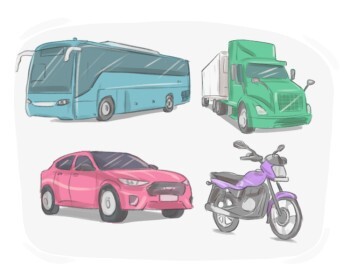
a means of transportation used to carry people or goods from one place to another, typically on roads or tracks

車両, 自動車
車両, 自動車

Ex: Electric vehicles are becoming more popular. 
electric
electric
[形容詞]

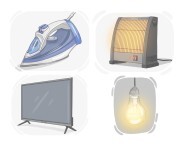
relating to, produced by, or using electricity

電気の
電気の

Ex: The electric car silently glided down the street, emitting zero emissions. 
to lean
to lean
[動詞]

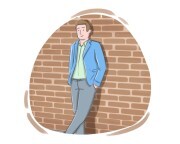
to bend from a straight position typically to rest the body against something for support

寄りかかる, 傾く
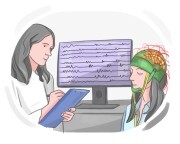
寄りかかる, 傾く

Ex: Feeling tired after the hike, she decided to lean against the tree to catch her breath. 
to invent
to invent
[動詞]

to create or design something new that did not previously exist

Ex: Alexander Graham Bell is credited with inventing the telephone. 
sensor
sensor
[名詞]

a machine or device that detects any changes in the environment and sends the information to other electronic devices

センサー, 検出器

センサー, 検出器

Ex: The temperature sensor measures the heat in the environment to adjust the heating system. 
to turn
to turn
[動詞]

to change the direction of something's movement by rotating or steering it

曲がる, 向きを変える

曲がる, 向きを変える

Ex: I turned the car smoothly into the parking space at the mall. 
handlebar
handlebar
[名詞]

a bar in front of a motorcycle or bicycle that a person takes by hand to control the direction in which they want to travel

ハンドルバー, ステアリング

ハンドルバー, ステアリング

Ex: He adjusted the handlebar height to make his bike more comfortable to ride. 

彼は自転車の乗り心地を良くするためにハンドルの高さを調整した。

to go
to go
[動詞]

to travel or move in a specific manner or direction

行く, 動く

行く, 動く

Ex: The car was going north when the accident happened. 
up to
up to
[前置詞]

indicating that the quantity or count mentioned does not exceed a specified value

まで, 最大で

まで, 最大で

Ex: The restaurant can accommodate up to 5 people at each table. 

レストランは各テーブルに最大5人まで収容できます。

tour
tour
[名詞]

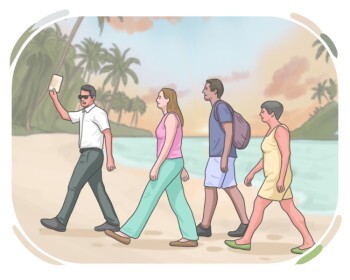
a journey for pleasure, during which we visit several different places

旅行
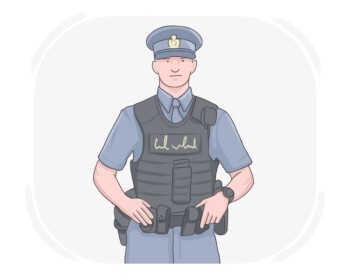
旅行

Ex: We joined a guided tour to learn more about the national park's wildlife. 
police officer

someone whose job is to protect people, catch criminals, and make sure that laws are obeyed

警察官, 警官
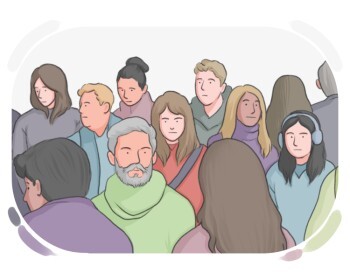
警察官, 警官

Ex: The brave police officer rushed to the scene of the accident to provide assistance. 
crowded
crowded
[形容詞]

(of a space) filled with things or people

混雑した, 満員の

混雑した, 満員の

Ex: The crowded room was packed with partygoers dancing and chatting. 

混雑した部屋は、踊ったりおしゃべりしたりするパーティー参加者でいっぱいでした。
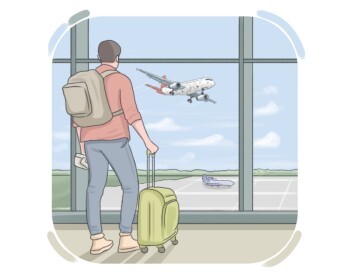
airport
airport
[名詞]

a large place where planes take off and land, with buildings and facilities for passengers to wait for their flights

空港, エアポート

空港, エアポート

Ex: The airport was crowded with travelers heading home for the holidays. 
workplace
workplace
[名詞]

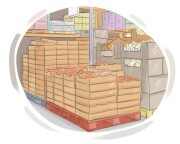
a physical location, such as an office, factory, or store, where people go to work and perform their job duties

職場, 仕事場
職場, 仕事場

Ex: Employees are required to follow safety guidelines in the workplace at all times. 
warehouse
warehouse
[名詞]

a large building where goods are stored before being sold, used, or distributed

倉庫,  倉

倉庫, 倉

Ex: The company stores its imported furniture in a large warehouse. 
invention
invention
[名詞]

something new, especially a device, method, or process, that has been created or developed
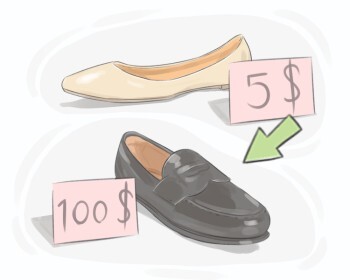
Ex: The telephone was an invention that transformed long-distance communication. 
expensive
expensive
[形容詞]

having a high price

高価な, 高額な

高価な, 高額な

Ex: The house they want is in an expensive neighborhood. 
to store
to store
[動詞]

to keep something in a particular place for later use, typically in a systematic or organized manner

保管する, 貯蔵する

保管する, 貯蔵する

Ex: She stored her winter clothes in a box in the attic during the summer months. 
business
business
[名詞]

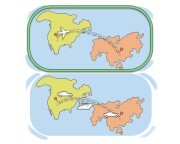
a company or organization that sells goods or provides services for profit

ビジネス, 企業
ビジネス, 企業

Ex: His business provides IT solutions to various companies. 
convenient
convenient
[形容詞]

favorable or well-suited for a specific purpose or situation

便利な, 都合の良い

便利な, 都合の良い

Ex: The meeting time was convenient for everyone involved. 

会議の時間は、関係者全員にとって都合が良かった。

over time
over time
[副詞]

as time passes or progresses

時間とともに, 時が経つにつれて

時間とともに, 時が経つにつれて

Ex: Their relationship grew stronger over time. 

彼らの関係は時間とともに強くなった。

scooter
scooter
[名詞]

a light motor vehicle with a floorboard on which the rider puts their legs, and with wheels of usually small size

スクーター, 原動機付自転車

スクーター, 原動機付自転車

Ex: He enjoys riding his scooter around the neighborhood to run errands and meet friends. 

彼は用事を済ませたり友達に会ったりするために、近所をスクーターで走り回るのを楽しんでいます。

smart device
smart device
[名詞]

an Internet-connected electronic device that integrates with other devices or systems, offering enhanced functionality and convenience through features like remote control, automation, and data exchange

スマートデバイス, 接続デバイス

スマートデバイス, 接続デバイス

Ex: My smart device can control the lights in the house with just a voice command. 

私のスマートデバイスは、音声コマンドだけで家の照明を制御できます。

transport
transport
[名詞]

the act or business of carrying people or goods or being carried from one place to another using different means

輸送, 交通

輸送, 交通

Ex: The transport of medical supplies required careful planning. 
smooth
smooth
[形容詞]

having a charming or polished manner that makes interactions seem effortless and agreeable

滑らかな, 魅力的な

滑らかな, 魅力的な

Ex: The actor is known for his smooth charm, which has won him many fans. 
LanGeek
LanGeekアプリをダウンロード