pattern

Słownictwo Kluczowych Współczesnych Zabytków - Space Needle

Przegląd

Fiszki

formy

Pisownia

Test

Zacznij naukę
Key Modern Landmarks Vocabulary
space needle
space needle
[Rzeczownik]

a tower 605 feet tall in Seattle; a tourist attraction

Space Needle, iglica kosmiczna

Space Needle, iglica kosmiczna

seattle
seattle
[Rzeczownik]

a major port of entry and the largest city in Washington; located in west central Washington on the protected waters of Puget Sound with the snow-capped peaks of the Cascade Range and Mount Rainier visible to the south and east; an aerospace and computer center; site of the University of Washington

Seattle, Seattle

Seattle, Seattle

washington d.c.
washington d.c.
[Rzeczownik]

the capital of the United States in the District of Columbia and a tourist mecca; George Washington commissioned Charles L'Enfant to lay out the city in 1791

Waszyngton D.C.,  stolica Stanów Zjednoczonych w Dystrykcie Kolumbii i mekka turystyczna; George Washington zlecił Charles'owi L'Enfantowi zaprojektowanie miasta w 1791 roku

Waszyngton D.C., stolica Stanów Zjednoczonych w Dystrykcie Kolumbii i mekka turystyczna; George Washington zlecił Charles'owi L'Enfantowi zaprojektowanie miasta w 1791 roku

the United States
the United States
[Rzeczownik]

a country in North America that has 50 states

Stany Zjednoczone
Stany Zjednoczone

Ex: English is the primary language spoken in the United States. 
famous
famous
[przymiotnik]

known by a lot of people

sławny, znany

sławny, znany

Ex: The famous actor won numerous awards for his performances in blockbuster movies. 

Słynny aktor zdobył wiele nagród za swoje role w filmach blockbuster.

tower
tower
[Rzeczownik]

a tall and often narrow building that stands alone or is part of a castle, church, or other larger buildings

wieża, dzwonnica
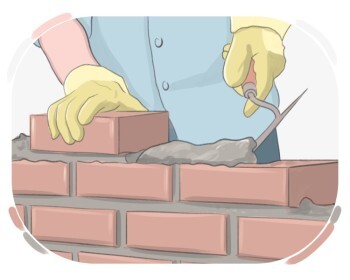
wieża, dzwonnica

Ex: The Eiffel Tower is one of the most famous landmarks in the world. 
to build
to build
[Czasownik]

to put together different materials such as brick to make a building, etc.

budować, wznosić

budować, wznosić

Ex: The construction crew is building a new office complex downtown. 
symbol
symbol
[Rzeczownik]

something that represents an idea, quality, or concept beyond its literal meaning

symbol, emblemat
symbol, emblemat

Ex: The candle served as a symbol of remembrance. 
architect
architect
[Rzeczownik]

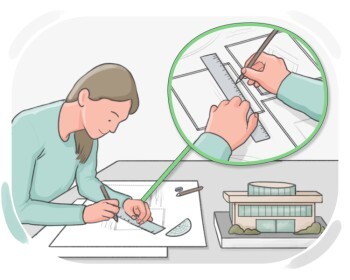
a person whose job is to design buildings and often oversee their construction
Ex: The architect supervised the construction of the new library. 
to design
to design
[Czasownik]

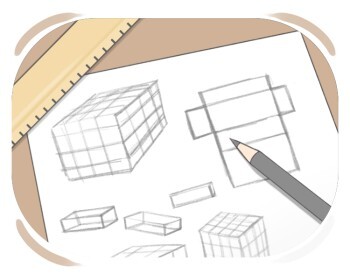
to make drawings according to which something will be constructed or produced

projektować, rysować

projektować, rysować

Ex: She has recently designed a series of fashion sketches. 
to look like
to look like
[Czasownik]

to resemble a thing or person in appearance

wyglądać jak, przypominać

wyglądać jak, przypominać

Ex: The actor looks just like the historical figure he's portraying. 

Aktor wygląda dokładnie jak postać historyczna, którą gra.

flying saucer
flying saucer
[Rzeczownik]

an (apparently) flying object whose nature is unknown; especially those considered to have extraterrestrial origins

latający spodek, ufo

latający spodek, ufo

stick
stick
[Rzeczownik]

a long, thin object, often resembling a piece of wood, used for pointing, drawing attention, or performing specific actions

kij, laska
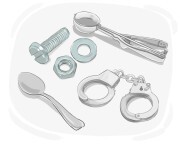
kij, laska

Ex: The magician waved a stick to perform his trick. 
steel
steel
[Rzeczownik]

a type of hard metal that is made of a mixture of iron and carbon, used in construction of buildings, vehicles, etc.

stal, twardy metal

stal, twardy metal

Ex: The ship was built with steel to withstand the harsh conditions at sea. 
concrete
concrete
[Rzeczownik]

a hard building material made by mixing cement, sand, small stones, and water

beton,  mieszanka betonowa

beton, mieszanka betonowa

Ex: Daniel mixed the concrete before filling the hole. 
to resist
to resist
[Czasownik]

to withstand or endure something, particularly a force, influence, or pressure

opierać się, wytrzymywać

opierać się, wytrzymywać

Ex: The paint can resist extreme temperatures without peeling. 
strong
strong
[przymiotnik]

(of wind, tide, or waves) having great power or force

silny, mocny
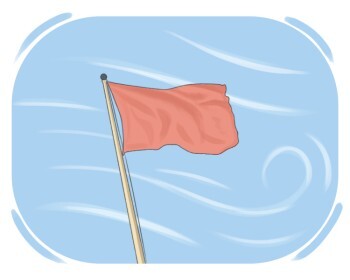
silny, mocny

Ex: The strong wind knocked over several trees. 
wind
wind
[Rzeczownik]

air that moves quickly or strongly in a current as a result of natural forces

wiatr, bryza
wiatr, bryza

Ex: She could hear the wind howling outside her window. 
earthquake
earthquake
[Rzeczownik]

the sudden movement and shaking of the earth's surface, usually causing damage

trzęsienie ziemi, wstrząs

trzęsienie ziemi, wstrząs

Ex: The earthquake was followed by several aftershocks. 

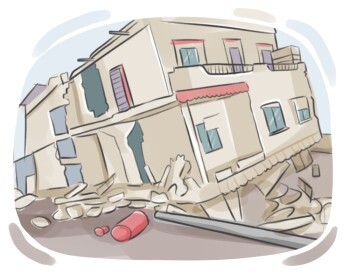
Po trzęsieniu ziemi nastąpiło kilka wstrząsów wtórnych.
to visit
to visit
[Czasownik]

to go somewhere for a short time, especially to see something

odwiedzać, zwiedzać
odwiedzać, zwiedzać

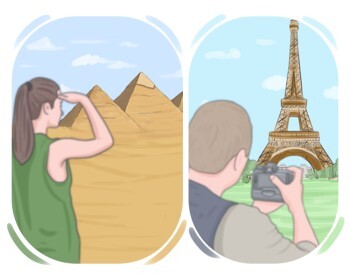
Ex: During their vacation, they planned to visit famous landmarks and historical sites in the city. 
elevator
elevator
[Rzeczownik]

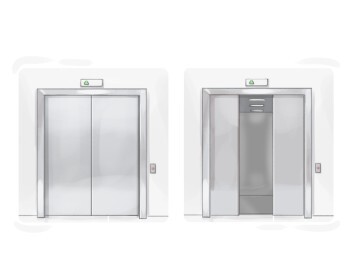
a box-like device that moves up and down and is used to get to the different levels of a building

winda
winda

Ex: I felt a bit nervous when the elevator suddenly stopped between floors. 
to take
to take
[Czasownik]

to move or carry a thing or person from one location to a different one

zabrać, wziąć
zabrać, wziąć

Ex: Can you take this package to the post office for me? 
visitor
visitor
[Rzeczownik]

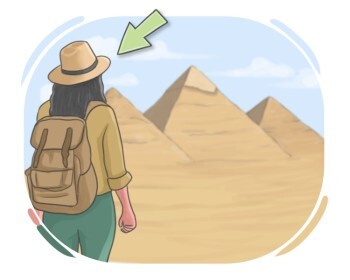
someone who enters a place, such as a building, city, or website, for a particular purpose

odwiedzający, gość
odwiedzający, gość

Ex: The museum welcomed thousands of visitors during the holiday season. 
mountain
mountain
[Rzeczownik]

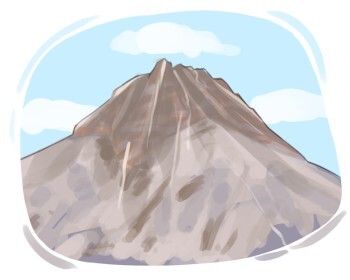
a very tall and large natural structure that looks like a huge hill with a pointed top that is often covered in snow

góra, szczyt
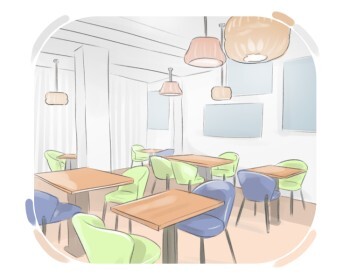
góra, szczyt

Ex: I took a photo of the mountain peak, capturing its majestic beauty. 
restaurant
restaurant
[Rzeczownik]

a place where we pay to sit and eat a meal

restauracja, jadłodajnia
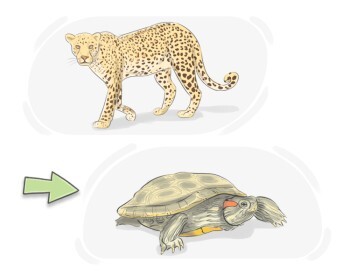
restauracja, jadłodajnia

Ex: He works as a chef in a popular restaurant. 
slowly
slowly
[przysłówek]

at a pace that is not fast

powoli, wolno

powoli, wolno

Ex: She slowly turned the pages of the old book, careful not to tear them. 

Powoli przewracała strony starej książki, uważając, aby ich nie podrzeć.

to turn
to turn
[Czasownik]

to move in a circular direction around a fixed line or point

obracać się, kręcić się

obracać się, kręcić się

Ex: The windmill's sails started to turn as the breeze picked up. 
glass
glass
[Rzeczownik]

a hard material that is often clear and is used for making windows, bottles, etc.

szkło, kieliszek
szkło, kieliszek

Ex: She drank water from a glass bottle to reduce plastic waste. 
floor
floor
[Rzeczownik]

the bottom of a room that we walk on

podłoga, posadzka
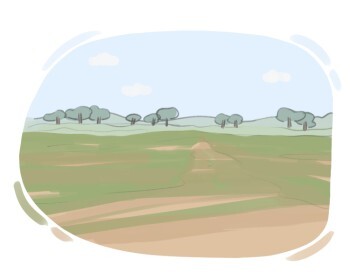
podłoga, posadzka

Ex: He swept the floor to remove the dust and dirt. 
ground
ground
[Rzeczownik]

the surface layer of earth that is solid and people walk on

ziemia, grunt
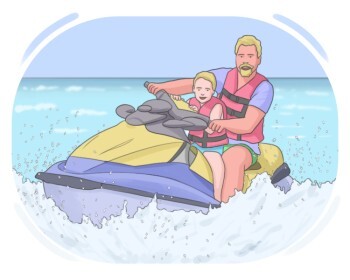
ziemia, grunt

Ex: After the rain, the ground became muddy and slippery. 
exciting
exciting
[przymiotnik]

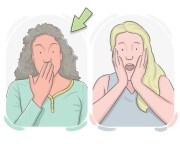
making us feel interested, happy, and energetic

ekscytujący, pasjonujący

ekscytujący, pasjonujący

Ex: The soccer game was very exciting, with both teams scoring in the final minutes. 

Mecz piłki nożnej był bardzo ekscytujący, obie drużyny strzeliły w ostatnich minutach.
a bit
a bit
[przysłówek]

to a small extent or degree

trochę, lekko

trochę, lekko

Ex: After the upgrade, the software should run a bit faster and more efficiently. 

Po aktualizacji oprogramowanie powinno działać trochę szybciej i wydajniej.
scary
scary
[przymiotnik]

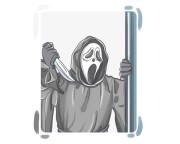
making us feel fear

straszny, przerażający

straszny, przerażający

Ex: The dentist is scary for many kids. 

Dentysta jest straszny dla wielu dzieci.
especially
especially
[przysłówek]

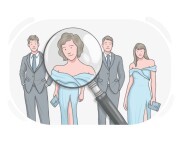
used for showing that what you are saying is more closely related to a specific thing or person than others

szczególnie, zwłaszcza

szczególnie, zwłaszcza

Ex: I enjoy various genres of music, but I like jazz, especially classic jazz, the most. 

Lubię różne gatunki muzyki, ale najbardziej lubię jazz, zwłaszcza klasyczny jazz.

on
on
[przymiotnik]

currently powered or activated

włączony, aktywny

włączony, aktywny

Ex: The power is on, but the internet is down. 

Zasilanie jest włączone, ale internet nie działa.

attraction
attraction
[Rzeczownik]

a place, activity, or event that people visit or experience because it is interesting or enjoyable
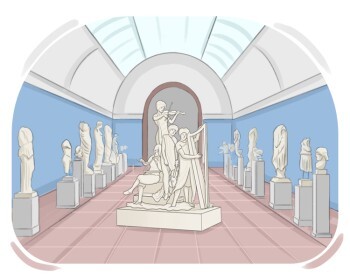
Ex: The museum is a major attraction for visitors to the area. 
museum
museum
[Rzeczownik]

a place where important cultural, artistic, historical, or scientific objects are kept and shown to the public

muzeum
muzeum

Ex: He marveled at the dinosaur skeletons in the natural history museum. 
theater
theater
[Rzeczownik]

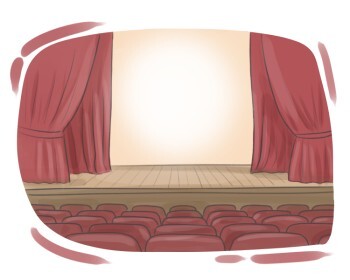
a place, usually a building, with a stage where plays and shows are performed

teatr, sala widowiskowa
teatr, sala widowiskowa

Ex: My sister and I are going to the theater to see a play tonight. 
garden
garden
[Rzeczownik]

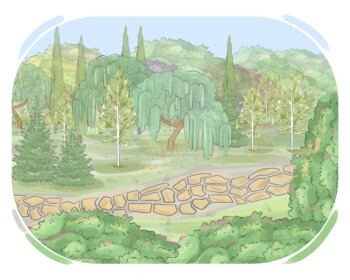
a piece of land where flowers, trees, and other plants are grown

ogród, park

ogród, park

Ex: He often invites friends over for outdoor gatherings in his garden. 
tourist
tourist
[Rzeczownik]

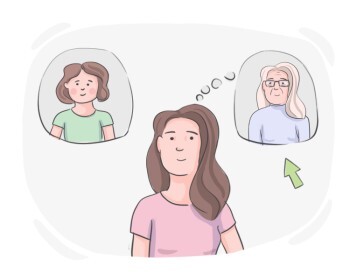
someone who visits a place or travels to different places for pleasure

turysta, odwiedzający
turysta, odwiedzający

Ex: As a tourist in Paris, she made sure to visit the Louvre Museum. 
future
future
[Rzeczownik]

the time that will come after the present or the events that will happen then

przyszłość, jutro
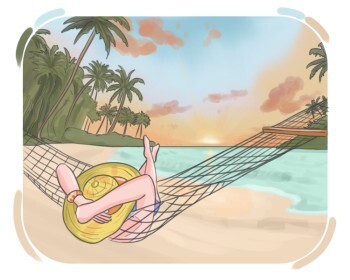
przyszłość, jutro

Ex: She's excited about her future at the new job. 
to enjoy
to enjoy
[Czasownik]

to take pleasure or find happiness in something or someone

cieszyć się, lubić
cieszyć się, lubić

Ex: She enjoys listening to classical music while working. 
culture
culture
[Rzeczownik]

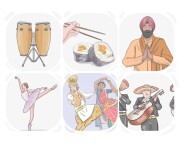
the general beliefs, customs, and lifestyles of a specific society

kultura
kultura

Ex: In Japanese culture, it's customary to bow when greeting someone. 
to handle
to handle
[Czasownik]

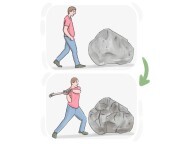
to deal with a situation or problem successfully

radzić sobie, zarządzać

radzić sobie, zarządzać

Ex: The experienced manager handles challenging projects with ease. 
to survive
to survive
[Czasownik]

to continue to function or exist despite difficult circumstances

przetrwać, przeżyć

przetrwać, przeżyć

Ex: He survived years of setbacks before finally achieving his dream. 
magnitude
magnitude
[Rzeczownik]

the measurable size of phenomena such as distance, mass, speed, luminosity, etc. based on quantitative scale

wielkość, skala

wielkość, skala

Ex: The magnitude of the earthquake was measured at 6.7 on the Richter scale, making it a potentially dangerous seismic event. 
LanGeek
Pobierz aplikację LanGeek
