
Animais - Antílopes
Aqui você aprenderá os nomes de antílopes em inglês, como "gazela", "addax" e "blackbuck".
Revisar
Flashcards
Ortografia
Quiz

a pale desert antelope of North Africa with long spirally twisted horns and adaptations for surviving extreme aridity
adax

a medium-sized ungulate species found in South Asia known for its distinctive appearance, exceptional speed, and cultural significance
antílope-negro, blackbuck

a medium-sized antelope species found in South Africa, characterized by their distinctive white face blaze and brownish-red coat
blesbok, antílope blesbok

a large forest antelope species known for its distinctive appearance with spiraled horns and reddish-brown coat with white stripes
bongo, antílope bongo

a medium-sized antelope species found in South Africa, known for their striking white and brown coat, and for being one of the rarest antelope species in the world
bontebok, uma espécie de antílope de tamanho médio encontrada na África do Sul

a small antelope species found in various habitats across Africa, known for its petite size
dik-dik, pequena espécie de antílope africano

a small to medium-sized antelope species found in Africa, characterized by their short, spiky horns and their ability to quickly dart through dense vegetation
duiker, espécie de antílope pequeno a médio encontrado na África

a large antelope species found in various habitats in Africa, known for its distinctive spiral horns, long legs, and reddish-brown coat
eland, grande antílope africano
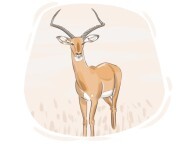
a small to medium-sized antelope species known for its graceful appearance, slender body, and distinctive curved horns
gazela, antílope

a large antelope species characterized by its striking appearance, featuring long, straight horns and a distinctive black and white facial mask
gemsbok, órix

a medium-sized antelope species found in the mountains of South Africa, known for their distinctive gray coat and impressive jumping ability
rhebok cinza, espécie de antílope de tamanho médio encontrada nas montanhas da África do Sul

a large African antelope characterized by its unique-shaped horns, long face, and reddish-brown coat
hartebeest, antílope africano

a medium-sized antelope native to Africa, known for its slender build, reddish-brown coat, and impressive leaping ability
impala, antílope impala

a small, agile antelope species found in eastern and southern Africa, known for their distinctive ability to climb rocky terrain and for their short, sharp horns
klipspringer, saltador de rochas

large antelope species known for their impressive spiral horns, striking markings, and graceful appearance
kudu, grande espécie de antílope conhecida por seus chifres espirais impressionantes

large antelope native to wetland habitats in Africa, known for their striking appearance
lechwe, antílope lechwe

a large antelope species native to the Indian subcontinent, characterized by its distinctive bluish-gray coat
nilgai, antílope azul

a large and majestic antelope species found in Southern Africa, known for its distinctive shaggy coat
nyala, antílope nyala

a small antelope species found in sub-Saharan Africa, characterized by their distinctive short, straight horns and their ability to rapidly change direction while running
oribi, pequeno antílope

a large, social antelope species found in Africa, characterized by their distinctive reddish-brown coat, black and white facial markings, and long, curved horns
antílope ruão, hipótrague ruão

a tiny antelope species found in West Africa, known for being the world's smallest antelope and for their secretive, solitary behavior
antílope real, antílope anão

a large and majestic African antelope species known for its distinctively curved horns and striking black and white coat pattern
antílope-sable, hipótrague-negro

a distinctive antelope species known for its distinctive, downturned nose and curved horns, and it is native to the grasslands of Eurasia
saiga, antílope saiga

a small to medium-sized antelope species known for its distinctive jumping behavior
springbok, antílope saltador

a small antelope species found in Africa, known for its compact size, reddish-brown coat, and distinctively long and upright ears
steenbok, pequena espécie de antílope africano

a medium-sized antelope species found in the Tibetan plateau and neighboring regions, known for their unique adaptations to living in high-altitude habitats and for their valuable wool
antílope tibetano, chiru

a medium-sized antelope species native to Africa, known for its distinctive appearance with a reddish-brown coat, curved horns, and an elongated face
topi, damalisco
a large antelope species found in Africa, known for its distinctive appearance with a dark brown coat, a robust build, and long, curving horns in both males and females
sassaby, antílope sassaby

a large antelope species found in Africa, known for its shaggy coat, distinctive white markings, and preference for habitats near water sources
waterbuck, antílope aquático

a large African antelope characterized by its distinctive appearance with a stocky body
gnu, wildebeest

the white-tailed deer, which is a common deer species found in North America and is known for its distinctive white underside of the tail
veado de cauda branca, cervo de cauda branca

a large, stocky, goat-like mammal found in the mountainous regions of Asia, known for its unique appearance and thick coat
takin, grande mamífero caprino encontrado nas regiões montanhosas da Ásia
a large deer species native to various regions of Asia, known for its impressive size, powerful build, and distinctive antlers
sambar, cervo sambar

a small to medium-sized deer species found in Eurasia, known for its distinctive white rump patch and small antlers
corço, capreolus capreolus
a large and majestic deer species found in various habitats across Europe, Asia, and North Africa
veado-vermelho,cervo-vermelho

a unique and distinctive mammal found in North America known for its speed and agility
berrendo, antílope-americano

a small, solitary ungulate characterized by its distinctive fang-like canine teeth, absence of antlers, and secretion of musk from a gland located in its abdomen
cervo-almiscarado, musk deer
a small deer species native to Asia, known for its short stature, distinctive bark-like vocalizations, and prominent canine teeth
muntjac, cervo latidor
a large deer species found in North America, known for its distinctive large ears, forked antlers, and white rump patch
cervo-mula, veado de orelhas grandes
a type of wild goat that is known for its twisted horns and is native to mountainous regions of Central Asia
markhor, cabra selvagem com chifres torcidos

a wild goat that inhabits mountainous areas of Europe and is identified with long curved horns
íbex, cabra-montês

small to medium-sized wild goats found in mountainous regions of Asia, known for their agility and ability to navigate steep terrain with ease
goral, cabra selvagem da montanha

a species of medium-sized deer native to Europe and known for their distinctive palmate antlers and spotted coat
dama, veado malhado

a wild goat-like mammal with short curved horns native to mountains of Eurasia
camurça, cabra selvagem
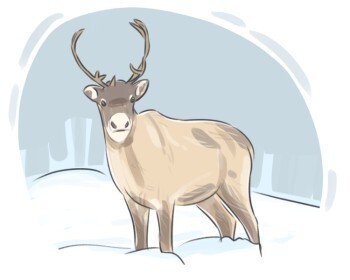
large, migratory deer species native to North America, known for their impressive antlers and long-distance migrations in search of food and suitable habitat
caribu, rena
a type of goat-antelope found in mountainous regions of Asia, known for its stocky build, coarse fur, and backward-curving horns
serow, cabra-antílope asiática
a small, elusive ungulate species found in the forests of Asia and Africa, known for their small size, shy behavior, and unique appearance
chevrotain, pequeno ruminante das florestas da Ásia e da África
