pattern

Ключевая лексика для распространенных заболеваний - Боль в животе

Обзор

Флэш-карточки

формы

Правописание

Тест

Начать учиться
Key Vocabulary for Common Illnesses
until
until
[союз]

up to the point in time or the event mentioned

до тех пор

до тех пор

Ex: We wo n’t know the results until the final votes are counted .

Мы не узнаем результаты до тех пор, пока не будут подсчитаны окончательные голоса.

Закрыть
Войти
to stay
to stay
[глагол]

to continue to be in a particular condition or state

оставаться, пребывать

оставаться, пребывать

Ex: The lights will stay on for the entire event to ensure safety.

Свет будет включён на протяжении всего мероприятия для обеспечения безопасности.

Закрыть
Войти
calm
calm
[прилагательное]

not showing worry, anger, or other strong emotions

спокойный

спокойный

Ex: Even when criticized , he responded in a calm and collected manner .

Даже когда его критиковали, он отвечал спокойно и собранно.

Закрыть
Войти
pain
pain
[существительное]

the unpleasant feeling caused by an illness or injury

боль

боль

Ex: The pain from his sunburn made it hard to sleep .

Боль от его солнечного ожога мешала спать.

Закрыть
Войти
to go away
to go away
[глагол]

to vanish or cease to exist

исчезать, пропадать

исчезать, пропадать

Ex: The symptoms of the illness can go away with the right treatment .

Симптомы болезни могут исчезнуть при правильном лечении.

Закрыть
Войти
to last
to last
[глагол]

to maintain presence over a period

продолжаться, длиться
продолжаться, длиться

Ex: Her excitement lasted only a few moments before she realized the reality of the situation .

Её волнение длилось всего несколько мгновений, прежде чем она осознала реальность ситуации.

Закрыть
Войти
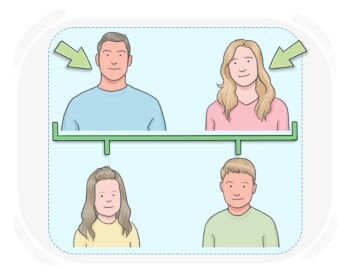
parent
parent
[существительное]

our mother or our father

родитель

родитель

Ex: The parents took turns reading bedtime stories to their children every night .

Родители по очереди читали своим детям сказки на ночь каждую ночь.

Закрыть
Войти
a few
a few
[определитель]

used to indicate a small number of items, people, or things

несколько, немного

несколько, немного

Ex: The teacher asked the students to complete a few exercises for homework .

Учитель попросил учеников выполнить несколько упражнений в качестве домашнего задания.

Закрыть
Войти
care
care
[существительное]

the act of providing treatment and paying attention to the physical and emotional needs of someone or something

забота

забота

Ex: The hospital provides compassionate care to all patients , ensuring their physical and emotional needs are met .

Больница обеспечивает сострадательный уход за всеми пациентами, гарантируя, что их физические и эмоциональные потребности удовлетворяются.

Закрыть
Войти
common
common
[прилагательное]

frequently found, happening, or seen

общий, популярный

общий, популярный

Ex: It 's common to see tourists in the city during the summer .

Обычно видеть туристов в городе летом.

Закрыть
Войти
serious
serious
[прилагательное]

needing attention and action because of possible danger or risk

серьезный

серьезный

Ex: The storm caused serious damage to the homes in the area .

Шторм нанес серьезный ущерб домам в этом районе.

Закрыть
Войти
quickly
quickly
[наречие]

with little or no delay

быстро,  скоро

быстро, скоро

Закрыть
Войти
to [take] care of {sb/sth}

to look after or manage someone or something, ensuring their needs are met

присматривать

присматривать

Ex: He promised to take care of the plants while his friend was on vacation.
Закрыть
Войти
comfortable
comfortable
[прилагательное]

physically feeling relaxed and not feeling pain, stress, fear, etc.

удобный

удобный

Ex: He appeared comfortable during the yoga class , showing flexibility and ease in his poses .

Он выглядел комфортно во время занятия йогой, демонстрируя гибкость и легкость в позах.

Закрыть
Войти
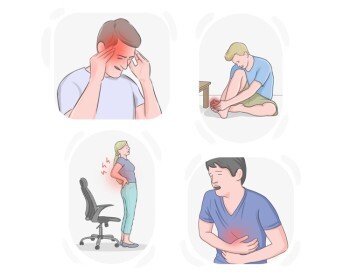
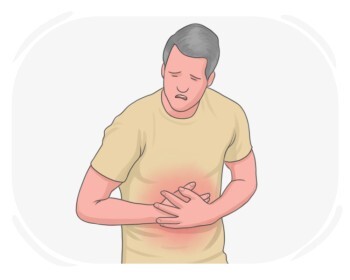
stomachache
stomachache
[существительное]

a pain in or near someone's stomach

боль в животе

боль в животе

Ex: The stomachache was so severe that he had to visit the hospital .

Боль в животе была настолько сильной, что ему пришлось обратиться в больницу.

Закрыть
Войти
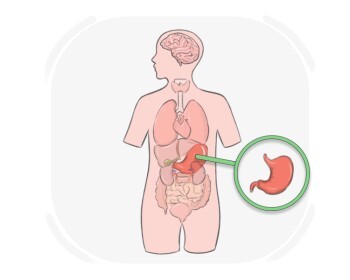
stomach
stomach
[существительное]

the body part inside our body where the food that we eat goes

желудок

желудок

Ex: She felt a wave of nausea in her stomach during the car ride .

Она почувствовала волну тошноты в своем желудке во время поездки на машине.

Закрыть
Войти
to hurt
to hurt
[глагол]

to feel pain in a part of the body

болеть

болеть

Ex: My ears hurt when the airplane was descending .

У меня болели уши, когда самолет снижался.

Закрыть
Войти
comfortably
comfortably
[наречие]

in a way that allows physical ease and relaxation, without strain or discomfort

удобно

удобно

Ex: He dressed comfortably for the long drive ahead .

Он оделся удобно для предстоящей долгой поездки.

Закрыть
Войти
reason
reason
[существительное]

something that explains an action or event

причина
причина

Ex: Understanding the reason for his behavior helped to resolve the conflict .

Понимание причины его поведения помогло разрешить конфликт.

Закрыть
Войти
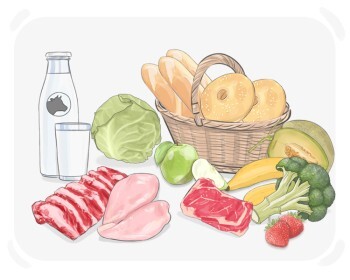
food
food
[существительное]

things that people and animals eat, such as meat or vegetables

пища, еда
пища, еда

Ex: They donated canned food to the local food bank.

Они пожертвовали консервированные продукты в местный продовольственный банк.

Закрыть
Войти
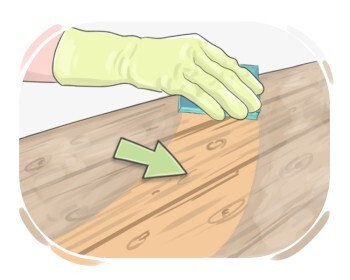
clean
clean
[прилагательное]

not having any bacteria, marks, or dirt

чистый, стерильный

чистый, стерильный

Ex: The hotel room was clean and spotless .

Номер в отеле был чистым и безупречным.

Закрыть
Войти
also
also
[наречие]

used to add another item, fact, or action to what has already been mentioned

также

также

Ex: The movie was entertaining and also thought-provoking .

Фильм был развлекательным и также заставляющим задуматься.

Закрыть
Войти
someone
someone
[местоимение]

a person who is not mentioned by name

кто-то

кто-то

Ex: There 's someone waiting for you in the reception area .

Кто-то ждёт вас в зоне приёма.

Закрыть
Войти
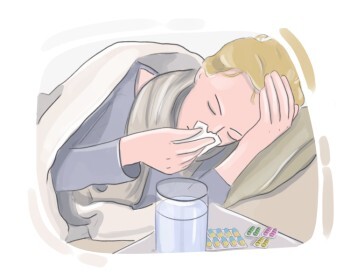
cold
cold
[существительное]

a mild disease that we usually get when viruses affect our body and make us cough, sneeze, or have fever

простуда

простуда

Ex: She could n't go to school because of a severe cold.

Она не могла пойти в школу из-за сильной простуды.

Закрыть
Войти
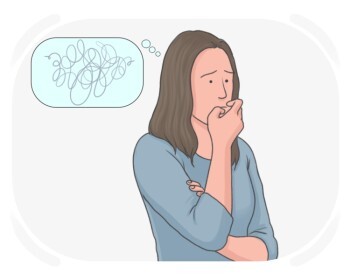
nervous
nervous
[прилагательное]

worried and anxious about something or slightly afraid of it

нервный

нервный

Ex: He felt nervous before his big presentation at work .

Он чувствовал себя нервным перед своей большой презентацией на работе.

Закрыть
Войти
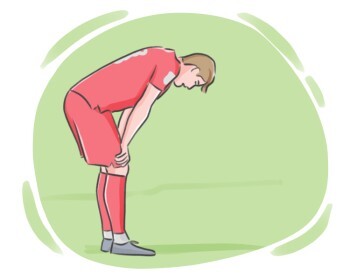
tired
tired
[прилагательное]

needing to sleep or rest because of not having any more energy

уставший

уставший

Ex: The toddler was too tired to finish his dinner .

Малыш был слишком усталым, чтобы закончить свой ужин.

Закрыть
Войти
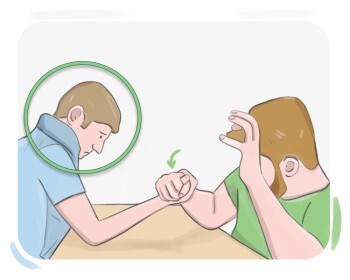
weak
weak
[прилагательное]

not strong or vigorous in body or movement

слабый, хилый

слабый, хилый

Ex: She spoke in a weak voice that was barely audible .

Она говорила слабым голосом, который едва был слышен.

Закрыть
Войти
painful
painful
[прилагательное]

causing physical pain in someone

мучительный

мучительный

Ex: Her painful shoulder prevented her from lifting anything heavy .

Её болезненное плечо мешало ей поднимать что-либо тяжёлое.

Закрыть
Войти
full
full
[прилагательное]

having had enough food

сытый

сытый

Ex: Are you full, or do you want to try some more food ?

Ты сыт, или хочешь попробовать еще немного еды?

Закрыть
Войти
uncomfortable
uncomfortable
[прилагательное]

feeling embarrassed, anxious, or uneasy because of a situation or circumstance

неудобный

неудобный

Ex: He shifted in his seat , feeling uncomfortable under the scrutiny of his peers .

Он пошевелился на своем месте, чувствуя себя неловко под пристальными взглядами сверстников.

Закрыть
Войти
to vomit
to vomit
[глагол]

to eject what has been eaten or drunk through the mouth

рвать, блевать

рвать, блевать

Ex: Right now , she is feeling nauseous and might be vomiting soon .

Сейчас она чувствует тошноту и, возможно, скоро рвота.

Закрыть
Войти
important
important
[прилагательное]

having a lot of value

важный

важный

Ex: The important issue at hand is ensuring the safety of the workers .

Важный вопрос на данный момент - обеспечение безопасности рабочих.

Закрыть
Войти
to rest
to rest
[глагол]

to stop working, moving, or doing an activity for a period of time and sit or lie down to relax

отдыхать

отдыхать

Ex: The cat likes to find a sunny spot to rest and soak up the warmth .

Кошка любит найти солнечное место, чтобы отдохнуть и погреться.

Закрыть
Войти
warm
warm
[прилагательное]

having a temperature that is high but not hot, especially in a way that is pleasant

теплый

теплый

Ex: They enjoyed a warm summer evening around the campfire .

Они наслаждались тёплым летним вечером у костра.

Закрыть
Войти
drink
drink
[существительное]

any liquid that we can drink

напиток

напиток

Ex: The menu featured a variety of drinks, from cocktails to soft drinks .

В меню были представлены различные напитки, от коктейлей до безалкогольных напитков.

Закрыть
Войти
to help
to help
[глагол]

to make something easier, particularly by improving the situation

помогать,  облегчать
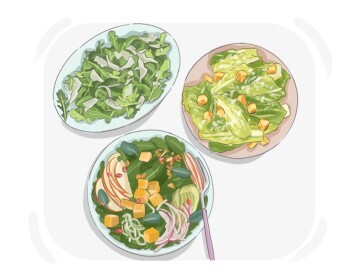
помогать, облегчать

Ex: Drinking water frequently helps with dehydration.

Частое питье воды помогает при обезвоживании.

Закрыть
Войти
light
light
[прилагательное]

(of food) low in sugar, fat, or other rich ingredients, which makes it easily digestible

легкий

легкий

Ex: He preferred light meals in the evening to ensure a good night 's sleep .

Он предпочитал лёгкие блюда вечером, чтобы обеспечить хороший ночной сон.

Закрыть
Войти
rice
rice
[существительное]

a small and short grain that is white or brown and usually grown and eaten a lot in Asia

рис

рис

Ex: We had sushi for lunch , which was filled with rice and fresh fish .

Мы пообедали суши, которые были наполнены рисом и свежей рыбой.

Закрыть
Войти
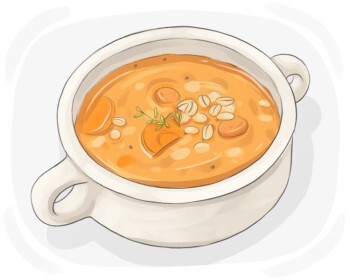
soup
soup
[существительное]

liquid food we make by cooking things like meat, fish, or vegetables in water

суп

суп

Ex: The soup was so delicious that I had two servings .

Суп был настолько вкусным, что я съел две порции.

Закрыть
Войти
to make
to make
[глагол]

to cause someone or something to display or possess a specific quality, emotion, or state

становиться

становиться

Ex: The teacher encouraged students to make their questions clear to ensure a better understanding of the lesson .

Учитель поощрял студентов делать свои вопросы ясными, чтобы обеспечить лучшее понимание урока.

Закрыть
Войти
to avoid
to avoid
[глагол]

to keep away from or deliberately not do something

избегать, держаться подальше от

избегать, держаться подальше от

Ex: The hikers avoided the dangerous path and chose a safer trail .

Туристы избежали опасной тропы и выбрали более безопасный маршрут.

Закрыть
Войти
heavy
heavy
[прилагательное]

(of food) dense and likely to cause digestive discomfort

тяжелый

тяжелый

Ex: The pudding was delicious but heavy.

Пудинг был вкусным, но тяжёлым.

Закрыть
Войти
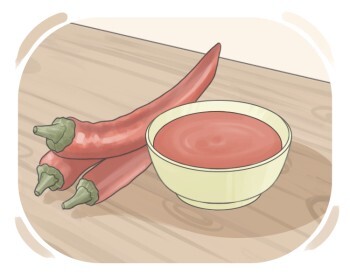
spicy
spicy
[прилагательное]

having a strong taste that gives your mouth a pleasant burning feeling

острый

острый

Ex: They ordered the spicy Thai noodles , craving the intense heat and bold flavors .

Они заказали острые тайские лапши, жаждая интенсивного тепла и смелых вкусов.

Закрыть
Войти
Ключевая лексика для распространенных заболеваний
ХолодБоль в горлеБоль в животеЛихорадка
Головная больГрипп
LanGeek
Скачать приложение LanGeek