
Kluczowe słownictwo na temat powszechnych chorób - Ból brzucha
Powtórka
Fiszki
Pisownia
Test


up to the time when a particular event happens or a situation changes
to continue to be in a particular condition or state

pozostać,zostać
Proszę pozostać na miejscu, aż samolot całkowicie się zatrzyma.

not showing worry, anger, or other strong emotions
spokojny,opanowany
W obliczu przeciwności losu podeszła do wyzwania z spokojnym nastawieniem.
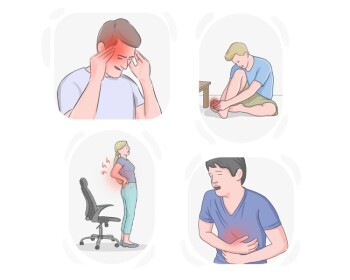
the unpleasant feeling caused by an illness or injury
ból
Odczuwam ostry ból w boku, gdy oddycham.
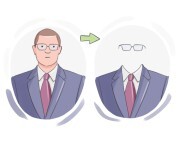
to vanish or cease to exist
znikać,zniknąć
Miała nadzieję, że jej zmartwienia znikną, gdy rozwiąże problem.
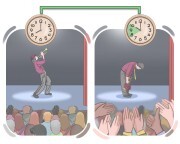
to maintain presence over a period
trwać,utrzymywać się
Koncert trwa dwie godziny, prezentując największe hity zespołu.
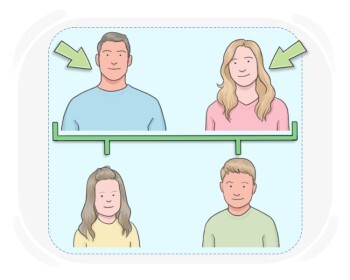
our mother or our father
rodzic,matka lub ojciec
Jako samotny rodzic, pracowała niezmordowanie, aby utrzymać rodzinę i zapewnić jej dobrobyt.
used before a plural countable noun to indicate a small number of people or things
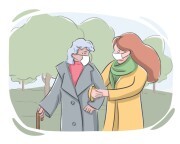
the act of providing treatment and paying attention to the physical and emotional needs of someone or something
opieka, uwaga
Szpital zapewnia wszystkim pacjentom współczującą opiekę, zapewniając zaspokojenie ich fizycznych i emocjonalnych potrzeb.
occurring frequently or existing in large numbers or many places
severe or dangerous enough to cause significant harm or concern
soon after something happens or without unnecessary delay
to look after or manage someone or something, ensuring their needs are met
feeling physically relaxed and free from pain or discomfort
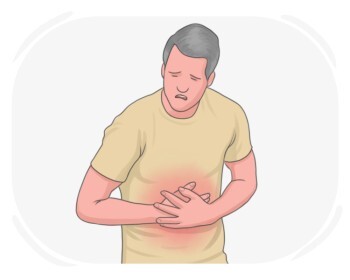
a pain in or near someone's stomach
ból brzucha,ból żołądka
Wzięła gorącą kąpiel, aby pomóc złagodzić ból brzucha.
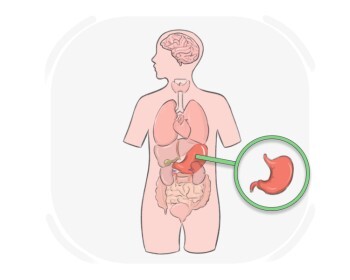
the body part inside our body where the food that we eat goes
żołądek,brzuch
Poczuł ulgę, gdy lekarz zapewnił go, że jego problem z żołądkiem jest tymczasowy.
to feel pain in a part of the body
boleć, ranić
Po użądleniu pszczoły miejsce to bolało przez kilka godzin.
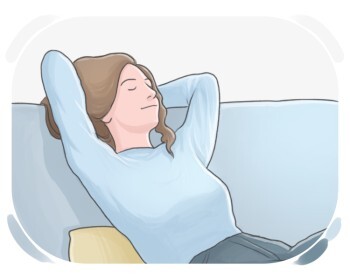
in a way that allows physical ease and relaxation, without strain or discomfort
wygodnie,komfortowo
Mogłem znów chodzić wygodnie po zmianie na lepsze buty.
something that explains an action or event
powód,przyczyna
Przedstawiła ważny powód swojego spóźnienia na spotkanie.
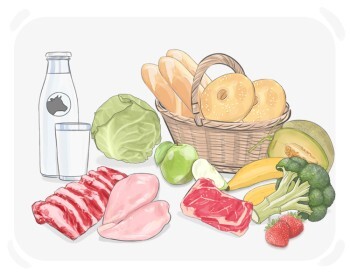
things that people and animals eat, such as meat or vegetables
jedzenie,żywność
Cieszył się, próbując nowych potraw podczas podróży za granicę.
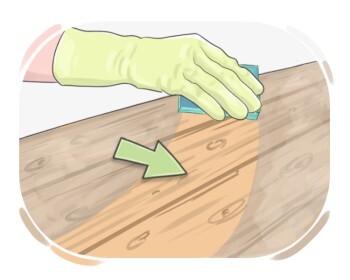
not having any bacteria, marks, or dirt
czysty,sterylny
Umył ręce, aby utrzymać je w czystości.
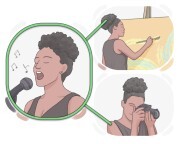
used to add another fact, action, or piece of information to what has already been mentioned
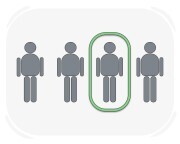
a person who is not mentioned by name
ktoś,ktośtam
Jeśli ktoś potrzebuje pomocy, zawsze może o nią poprosić.
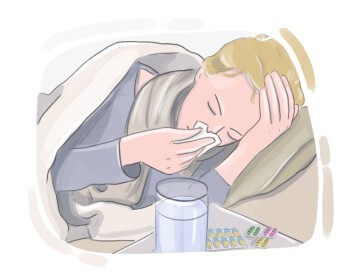
a mild disease that we usually get when viruses affect our body and make us cough, sneeze, or have fever
przeziębienie,katar
Zimą wiele osób łapie przeziębienie.
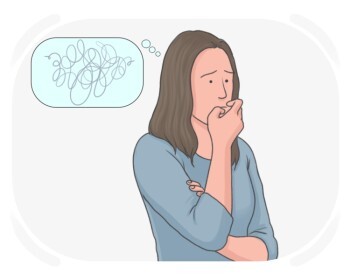
worried and anxious about something or slightly afraid of it
nerwowy,zaniepokojony
Bawiła się swoim długopisem, wyraźnie nerwowa z powodu nadchodzącego testu.
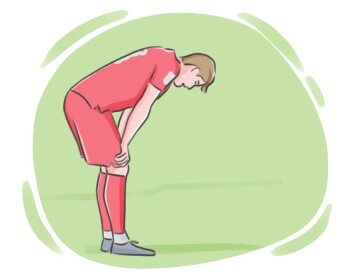
needing to sleep or rest because of not having any more energy
zmęczony, wyczerpany
Pielęgniarka była zmęczona, ale kontynuowała swoją zmianę, aby opiekować się pacjentami.
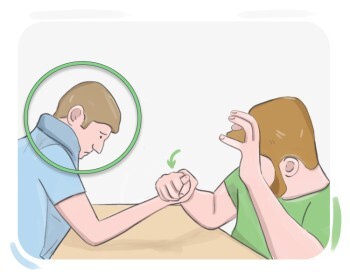
not strong or vigorous in body or movement
słaby,wątły
Po kilku dniach bez jedzenia czuł się zbyt słaby, by stać.
causing physical pain in someone
bolesny,bolesny
Bolesny siniak na jego nodze utrudniał chodzenie.
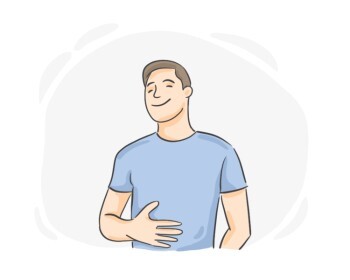
having had enough food
pełny,najedzony
Czuła się syta po zakończeniu obiadu.

feeling embarrassed, anxious, or uneasy because of a situation or circumstance
nieswojo,zakłopotany
Nagłe pytanie zaskoczyło ją, pozostawiając uczucie nieswojości.
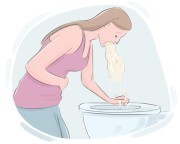
to expel the contents of the stomach through the mouth
having great value, significance, or influence
to stop working, moving, or doing an activity for a period of time and sit or lie down to relax
odpoczywać,relaksować się
Kot lubi znaleźć słoneczne miejsce, aby odpocząć i rozkoszować się ciepłem.
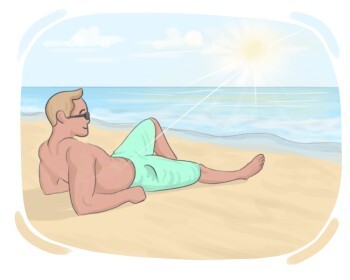
having a temperature that is high but not hot, especially in a way that is pleasant
ciepły,letni
Zanurzyła stopy w ciepłym piasku na plaży.
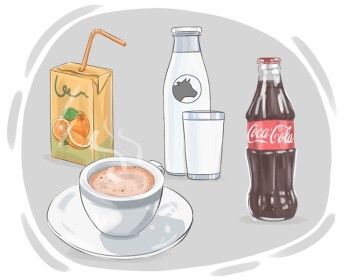
any liquid that we can drink
napój,picie
Nalała sobie orzeźwiający napój po długim dniu.
to make something easier, particularly by improving the situation
pomagać, ułatwiać
Poszukiwanie terapii może pomóc poprawić zdrowie psychiczne.
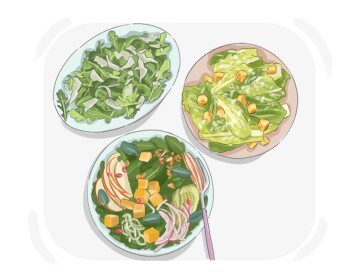
(of food) low in sugar, fat, or other rich ingredients, which makes it easily digestible
lekki
Wybrała lekkie deser, aby uzupełnić swój posiłek, unikając ciężkich słodyczy.
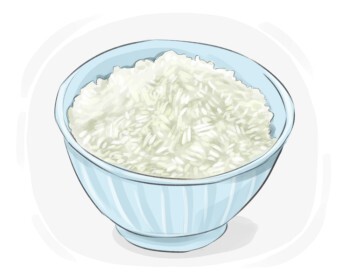
the small edible grains of a cereal plant that are cooked and eaten as food
ryż
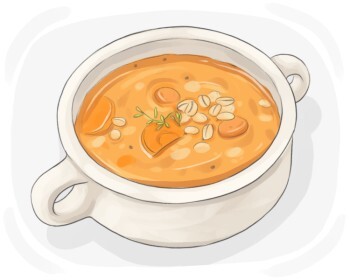
a liquid food made by cooking ingredients such as vegetables, meat, or fish in water or stock
zupa, rosół
to cause someone or something to display or possess a specific quality, emotion, or state
robić,sprawiać
Regularne ćwiczenia mogą uczynić cię zdrowszym.
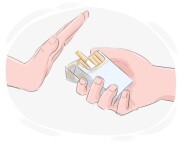
to keep away from or deliberately not do something
unikać,trzymać się z dala od
Unikają palenia, ponieważ jest to szkodliwe dla ich zdrowia.
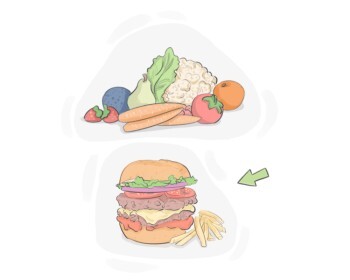
(of food) dense and likely to cause digestive discomfort
ciężki,ciężkostrawny
Ciasto było bogate i ciężkie.
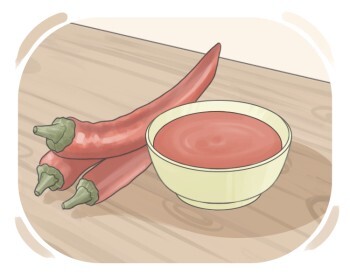
(of food) having a strong, hot flavor that produces a burning sensation in the mouth
| Kluczowe słownictwo na temat powszechnych chorób | |||
|---|---|---|---|
| Zimno | Ból gardła | Ból brzucha | Gorączka |
| Ból głowy | Grypa | ||
