
Klíčová slovní zásoba pro běžná onemocnění - Bolest břicha
Revize
Kartičky
tvary
Pravopis
Kvíz


up to the point in time or the event mentioned

dokud ne, až do chvíle
Nebudeme znát výsledky dokud nebudou sečteny konečné hlasy.
to continue to be in a particular condition or state
zůstat, setrvat
Navzdory výzvám se jí podařilo zůstat klidná po celou dobu nouzové situace.

not showing worry, anger, or other strong emotions
klidný, vyrovnaný
I když byl kritizován, reagoval klidně a soustředěně.
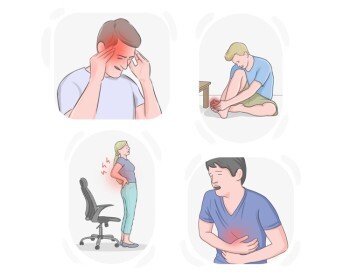
the unpleasant feeling caused by an illness or injury
bolest
Bolest z jeho spálení sluncem ztěžovala usínání.
to vanish or cease to exist
zmizet, vytratit se
Příznaky nemoci mohou zmizet se správnou léčbou.
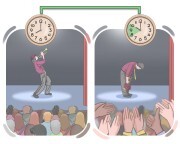
to maintain presence over a period
trvat, pokračovat
Koncert trvá dvě hodiny, představuje největší hity kapely.
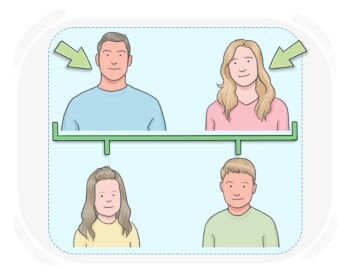
our mother or our father
rodič, matka nebo otec
Jako samoživitelka pracovala neúnavně, aby zajistila svou rodinu a zajistila její blaho.
used to indicate a small number of items, people, or things
několik, pár
Mám pár knih, které musím vrátit do knihovny.
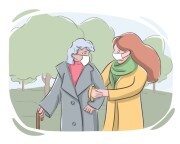
the act of providing treatment and paying attention to the physical and emotional needs of someone or something
péče, pozornost

frequently found, happening, or seen
běžný, častý
Během léta je běžné vidět ve městě turisty.
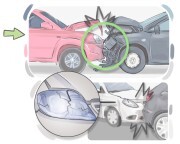
needing attention and action because of possible danger or risk
vážný, těžký
Lékař řekl, že zranění bylo vážné a vyžadovalo okamžitou operaci.
to look after or manage someone or something, ensuring their needs are met
physically feeling relaxed and not feeling pain, stress, fear, etc.
pohodlný, komfortní
Během hodiny jógy vypadal pohodlně, prokazoval pružnost a lehkost v pozicích.
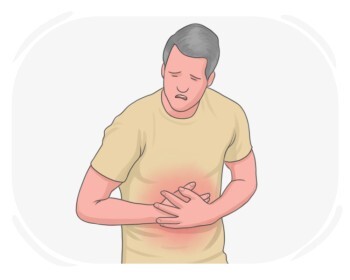
a pain in or near someone's stomach
bolest žaludku, bolest břicha
Bolest břicha byla tak silná, že musel jít do nemocnice.
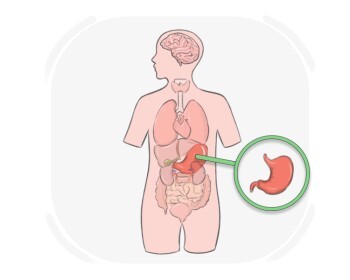
the body part inside our body where the food that we eat goes
žaludek, břicho
Během jízdy autem cítila vlnu nevolnosti ve svém žaludku.
to feel pain in a part of the body
bolet, zraňovat
Když letadlo klesalo, bolely mě uši.
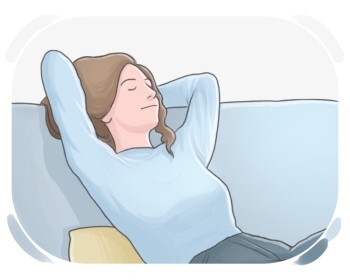
in a way that allows physical ease and relaxation, without strain or discomfort
pohodlně, komfortně
Oblékl se pohodlně na dlouhou cestu před sebou.
something that explains an action or event
důvod, příčina
Poskytla platný důvod pro své zpoždění na schůzku.
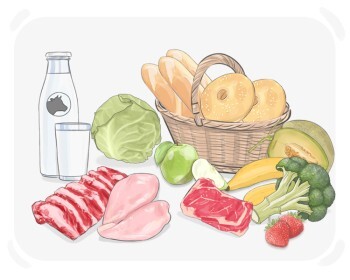
things that people and animals eat, such as meat or vegetables
jídlo, potraviny
Bavilo ho zkoušet nové potraviny při cestování do zahraničí.
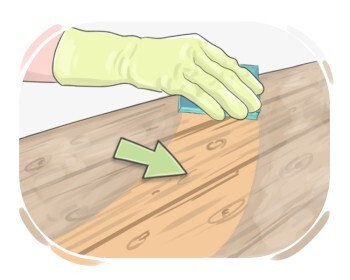
not having any bacteria, marks, or dirt
čistý, sterilní
Hotelový pokoj byl čistý a bez poskvrny.
used to add another item, fact, or action to what has already been mentioned
také, navíc
Film byl zábavný a také podnětný.
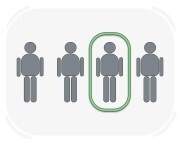
a person who is not mentioned by name
někdo, kdo
Někdo na vás čeká v recepční oblasti.
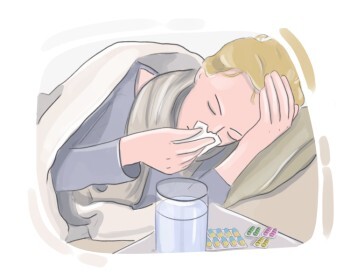
a mild disease that we usually get when viruses affect our body and make us cough, sneeze, or have fever
nachlazení, rýma
Nemohla jít do školy kvůli těžké nachlazení.
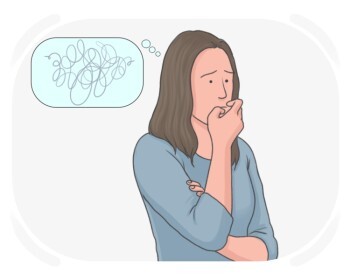
worried and anxious about something or slightly afraid of it
nervózní, úzkostlivý
Před svou velkou prezentací v práci se cítil nervózní.
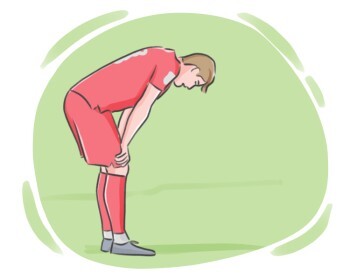
needing to sleep or rest because of not having any more energy
unavený, vyčerpaný
Batole bylo příliš unavené, aby dojedlo večeři.
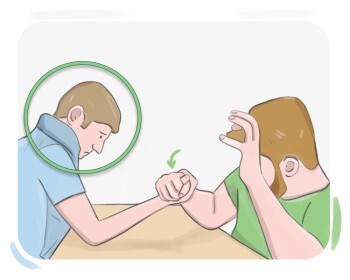
not strong or vigorous in body or movement
slabý, křehký
Mluvila slabým hlasem, který byl sotva slyšitelný.

causing physical pain in someone
bolestivý, utrpení
Bolestivá modřina na jeho noze ztěžovala chůzi.

having had enough food
plný, nasycený
Cítila se plná po dokončení oběda.

feeling embarrassed, anxious, or uneasy because of a situation or circumstance
nepříjemný, rozpačitý
Pohnul se na sedadle, cítil se nepříjemně pod pohledy svých vrstevníků.
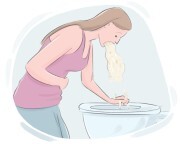
to eject what has been eaten or drunk through the mouth
zvracet, blinkat
Právě teď se cítí nevolně a může brzy zvracet.
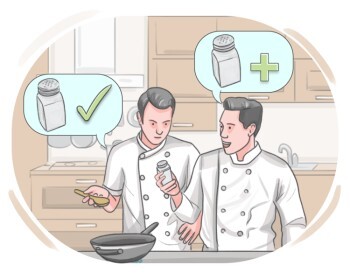
having a lot of value
důležitý, rozhodující
Šetření vodou je důležité pro udržitelné využívání přírodních zdrojů.
to stop working, moving, or doing an activity for a period of time and sit or lie down to relax
odpočívat, relaxovat

having a temperature that is high but not hot, especially in a way that is pleasant
teplý, vlažný
Užili si teplý letní večer u táboráku.
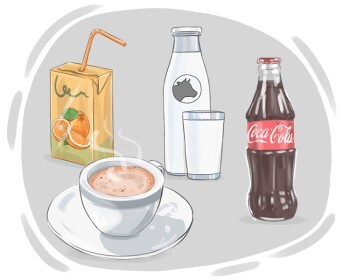
any liquid that we can drink
nápoj, pití
Nalila si osvěžující nápoj po dlouhém dni.
to make something easier, particularly by improving the situation
pomáhat, usnadňovat
Hledání terapie může pomoci zlepšit duševní zdraví.
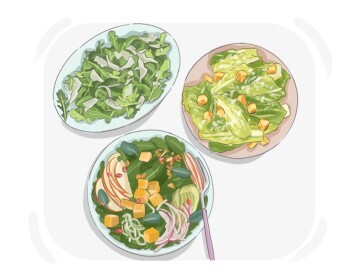
(of food) low in sugar, fat, or other rich ingredients, which makes it easily digestible
lehký
Vybrala si lehký dezert, aby doplnila své jídlo, a vyhnula se těžkým sladkostem.
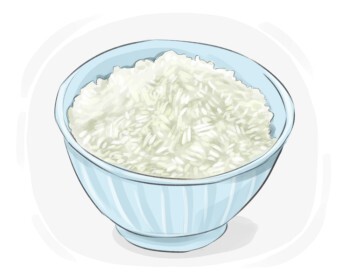
a small and short grain that is white or brown and usually grown and eaten a lot in Asia
rýže, hnědá rýže
Měli jsme k obědu sushi, které bylo plné rýže a čerstvých ryb.
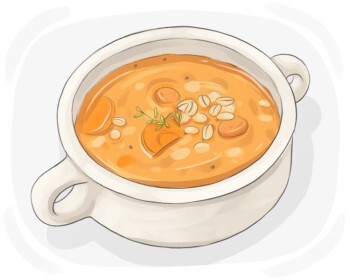
liquid food we make by cooking things like meat, fish, or vegetables in water
polévka, vývar
Polévka byla tak výborná, že jsem si dal dvě porce.
to cause someone or something to display or possess a specific quality, emotion, or state
udělat, způsobit
Náročný úkol může jednotlivce učinit úzkostnými.
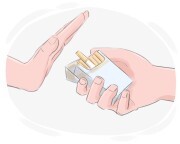
to keep away from or deliberately not do something
vyhnout se, držet se dál od
Turisté se vyhnuli nebezpečné stezce a zvolili bezpečnější trasu.
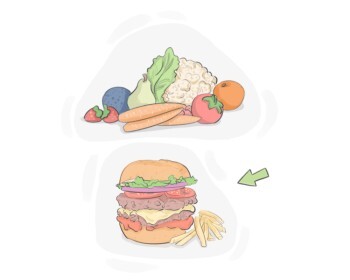
(of food) dense and likely to cause digestive discomfort
těžký, těžko stravitelný
Pudink byl výborný, ale těžký.
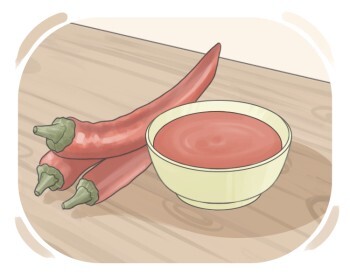
having a strong taste that gives your mouth a pleasant burning feeling
pikantní, kořeněný
Objednali si pikantní thajské nudle, toužili po intenzivním žáru a odvážných chutích.
| Klíčová slovní zásoba pro běžná onemocnění | |||
|---|---|---|---|
| Chladno | Bolest v krku | Bolest břicha | Horečka |
| Bolest hlavy | Chřipka | ||
