
Basic Sciences - Zoology & Botany
Study terms related to animal classification, reproduction, behaviour, evolution, plant structures, and reproductive processes.
Обзор
Флэш-карточки
Правописание
Тест
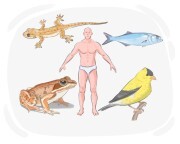
a large group of animals characterized by the possession of a backbone or spinal column, including mammals, birds, reptiles, amphibians, and fishes

позвоночное животное
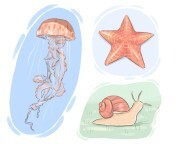
species that do not possess or cannot develop a spinal column, such as an arthropod, mollusk, etc.
Беспозвоночные
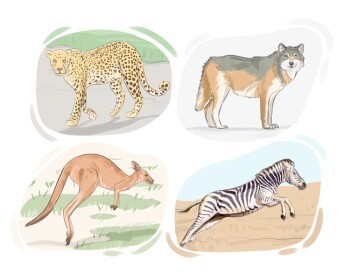
a class of animals to which humans, cows, lions, etc. belong, have warm blood, fur or hair and typically produce milk to feed their young
млекопитающее
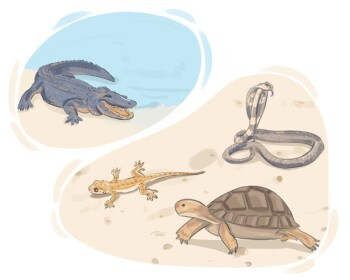
a class of animals to which crocodiles, lizards, etc. belong, characterized by having cold blood and scaly skin
пресмыкающееся
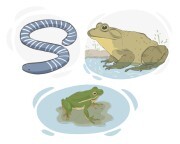
any cold-blooded animal with the ability to live both on land and in water, such as toads, frogs, etc.
амфибия
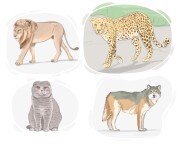
an animal that feeds on the flesh of other animals
Плотоядные
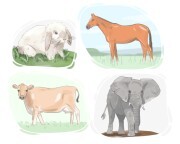
any animal that only feeds on plants
Фитофагия

producing eggs that develop and hatch outside the body
яйцекладущий, откладывающий яйца
(of an animal) giving birth to live offspring that have developed from eggs inside the mother's body
яйцеживородящий, яйцеживородящий
(of animals) giving birth to developed babies instead of laying eggs
живородящий
the controlled maintenance of a specific temperature; fostering optimal conditions for the development of organisms, processes, or materials
инкубация
a natural reaction or behavior that occurs automatically, without conscious thought or reasoning
инстинкт
to secrete or produce milk from the mammary glands, typically referring to the production of milk by a female mammal, especially a human mother
лактировать, вырабатывать молоко
to bring up partially digested food from the stomach back into the mouth, often to feed young or as part of the digestive process
отрыгивать, срыгивать
(of plants or animals) found in many different regions and climates throughout the world
космополитичный
(ecology) a group of different species living in the same area and interacting with one another
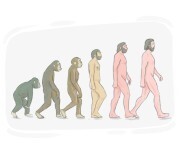
(biology) the slow and gradual development of living things throughout the history of the earth
эволюция
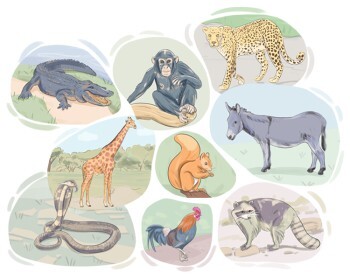
a group that animals, plants, etc. of the same type which are capable of producing healthy offspring with each other are divided into
виды
a taxonomic rank below species that represents a distinct population within a species, exhibiting consistent differences from other populations
подвид
a small, membrane-bound sac within a cell, involved in the transport, storage, or release of substances
везикула, вакуоль
a green pigment found in all green plants and cyanobacteria that is responsible for the absorption of the sunlight needed for the photosynthesis process
хлорофилл
a plant cell organelle that uses sunlight to produce energy and make glucose through photosynthesis
хлоропласт, фотосинтетический органоид
a process in green plants during which the plant synthesizes using water and carbon dioxide
фотосинтез
to reproduce and produce offspring through natural methods
размножаться, распространяться
(botany) the process by which a seed or spore begins to grow and develop into a new plant
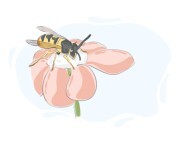
(biology) the process of producing plant seeds by transferring a powdery substance from one plant to the other
опыление растений
