Relative Clauses For Intermediate learners
What Are Relative Clauses?
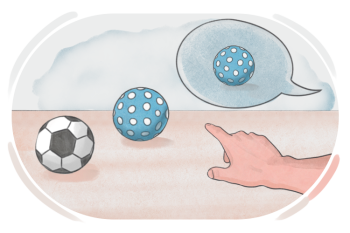
Relative clauses (oraciones de relativo) are subordinate clauses that modify a noun and begin with a relative word. They connect two ideas by referring back to a noun (the antecedent).
Structure
Relative clauses always follow a noun. They are introduced by a relative word which is followed by the verb and any complements. The structure is as follows:
noun (antecedent) + relative word + verb + (complements)
Here are some examples:
El libro que compré es interesante.
The book that I bought is interesting.
La persona a quien llamé no contestó.
The person whom I called did not answer.
Tip!
As you can see in the second example above, if the relative clause requires a preposition, the preposition comes immediately before the relative word:
El amigo con quien hablé fue triste.
The friend who I talked to was sad.
La empresa para que trabajo es grande.
The company for which I work is big.
Relative Words
Relative clauses can be introduced by a relative pronoun (que, quien(es)), relative adverb (donde, cuando), or relative determiner (cuyo(s)/cuya(s)).
La mujer que trabaja aquí es amable.
The woman who works here is kind.
La casa donde vivo es grande.
The house where I live is big.
El día cuando llegaste fue soleado.
The day when you arrived was sunny.
El hombre cuya casa está en la esquina es médico.
The man whose house is in the corner is a doctor.
Note that "cuya" is a possessive relative determiner and agrees with the possessed noun, not the antecedent.
Types
There are two types of relative clauses:
Restrictive (defining) relative clauses specify which noun is being referred to. They add essential information to the sentence, which means removing them would change the meaning. Restrictive relative clauses do not require commas before or after them.
La chica que habla español es mi amiga.
The girl who speaks Spanish is my friend.
Non-restrictive (non-defining) relative clauses add extra, non-essential information about the antecedent and are separated by commas from the main clause. Removing non-restrictive relative clauses from the sentence would not alter its meaning.
Mi madre, que es doctora, vive en Madrid.
My mother, who is a doctor, lives in Madrid.
Use of the Subjunctive
If the relative clause refers to an unknown, indefinite, or negated antecedent, the verb must be in the subjunctive mood. For example:
Busco un libro que sea interesante.
I'm looking for a book that is interesting.
Necesito un amigo cuya opinión sea honesta.
I need a friend whose opinion is honest.
¿Conoces a alguien quien pueda explicarlo?
Do you know anyone who can explain it?
No conozco a nadie que viva tan lejos.
I don't know anyone who lives so far away.
Quiz:
Elige la oración que contiene una oración de relativo correcta.
La película vi ayer fue muy larga.
La película que vi ayer fue muy larga.
La película vi ayer que fue muy larga.
Que película vi ayer fue muy larga.
Empareja cada antecedente con la oración de relativo más adecuada.
Une las dos ideas con una oración de relativo.
Compré una chaqueta. La chaqueta estaba en oferta. → Compré
.
Visitamos un pueblo. En ese pueblo nació mi abuelo. → Visitamos
.
Conocí a un músico. Su hermana canta en un grupo.→ Conocí a
en un grupo.
Elige la oración que usa correctamente las comas.
Mi tía que vive en Granada me llamó ayer.
Mi tía, que vive en Granada, me llamó ayer.
Mi tía que vive en Granada, me llamó ayer.
Mi tía, que vive en Granada me llamó ayer.
Completa las oraciones con el modo correcto del verbo: indicativo o subjuntivo.
Conozco a una médica que
francés. (hablar)
Busco una médica que
francés. (hablar)
No hay ningún estudiante que
la respuesta. (saber)
Tengo un vecino que
en ese edificio. (vivir)
Comments
(0)Recommended

