

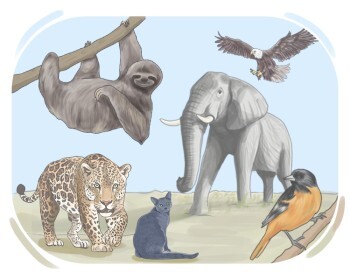
a living thing, like a cat or a dog, that can move and needs food to stay alive, but not a plant or a human

zvíře, stvoření
Ptáci jsou zvířata, která umí létat a stavět hnízda na stromech.

to have your home somewhere specific
bydlet, žít
Ona dává přednost žít v klidném venkově daleko od přelidněných měst.
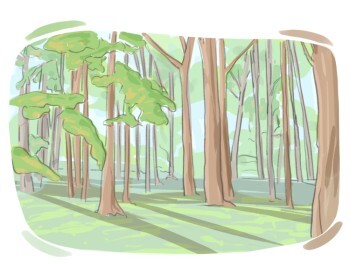
a vast area of land that is covered with trees and shrubs
les
Šli jsme na procházku do lesa, obklopeni vysokými stromy a zpěvem ptáků.

a large, open, and grass-covered area
louka, pastvina
Step je domovem antilop a zeber.
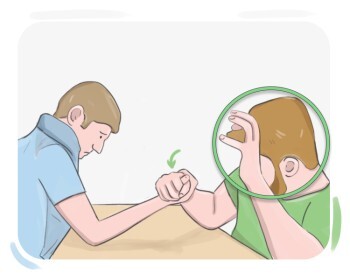
having a lot of physical power
silný, mocný
Byl schopen zvednout těžkou krabici, protože byl tak silný.
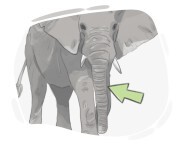
the nose of an elephant that is in the shape of a long hose
chobot, sloní chobot
Když se slon přiblížil k napajedlu, ponořil svůj chobot do chladné, osvěžující vody a bral dlouhé doušky, aby uhasil svou žízeň.
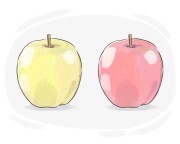
used to indicate that something or someone shares the same qualities or features to another
jako
Bojuje jako lev, divoký a statečný.
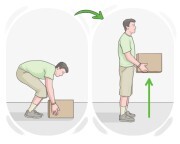
to take and lift something or someone up
zvednout, sebrat
Policista zvedne důkazy rukou v rukavici.
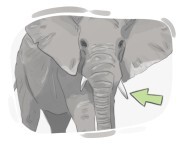
each of the curved pointy teeth of some animals such as elephants, boars, etc., especially one that stands out from the closed mouth
kel, tesák
Kly narvala, často zaměňované za rohy jednorožce, inspirovaly mýty a legendy po staletí.
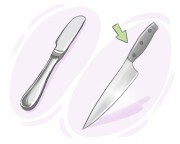
having a point or edge that can pierce or cut something
ostrý, břitký
Trny na růžovém keři byly ostré, což způsobilo bolestivé píchnutí při dotyku.

skin that is very thick (as an elephant or rhinoceros)
tlustá kůže, silná kůže
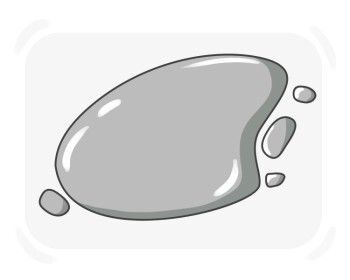
having a color between white and black, like most koalas or dolphins
šedý, šedivý
Viděli jsme šedého slona jít po silnici.
(of a color) having a deep or intense hue
tmavý, hluboký
Na akci měla tmavě modré šaty.
(of color) having less intensity, often because of a small amount of pigment
světlý, bledý
Raději nosí světlé barvy v létě, aby zůstala v chladu.
used to indicate a small amount or quantity of something
trochu, málo
Mohl bych dostat trochu mléka do mého čaje?
to give one a certain impression or sensation
cítit, vytvářet dojem
having an uneven or jagged texture
drsný, nerovný
Látka byla na dotek drsná, což způsobilo podráždění citlivé pokožky.
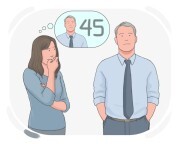
to have a particular appearance or give a particular impression
vypadat, zdát se

not like another thing or person in form, quality, nature, etc.
jiný
Kniha měla jiný konec, než očekávala.
designed or set aside for a specific purpose or need, often different from what is commonly available
speciální, zvláštní
Šéfkuchař připravil pro akci speciální jídlo, přizpůsobené chuti hostů.
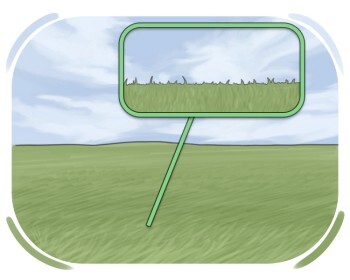
a plant with thin, short, and green upright leaves, commonly found in gardens, parks, etc.
tráva, trávník
Fotbalové hřiště mělo dobře udržovaný trávník.
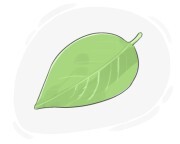
a usually green part of a plant in which the photosynthesis takes place
list
Ze stromu spadl jeden list.
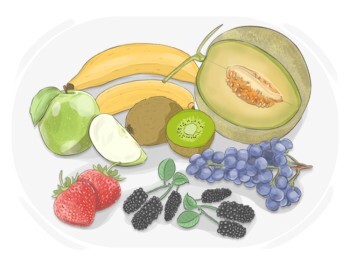
something we can eat that grows on trees, plants, or bushes
ovoce
Nakrájený meloun je šťavnaté a hydratační ovoce, které si můžete vychutnat v horkém letním dni.
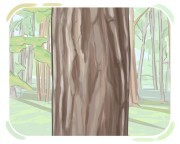
the hard outer covering of a tree
kůra, stromová kůra
Turista se opřel o tlustou kůru sekvoje, cítil její starodávnou přítomnost v lese.

to bite and crush food into smaller pieces with the teeth to make it easier to swallow
žvýkat, rozžvýkat
Už z nervozity žvýkala tužku.
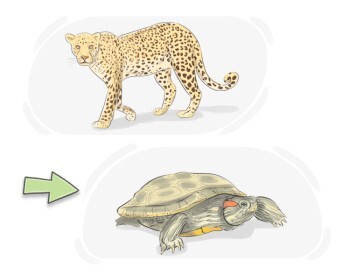
at a pace that is not fast
pomalu, zvolna
Šnek se pohyboval pomalu, ale vytrvale k listu.
a number of things or people that have some sort of connection or are at a place together
skupina, soubor
Skupina dětí si hrála v parku.
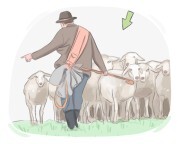
a group of animals, such as cows, sheep, etc. that are from the same species, which move and feed together
stádo, hejno
Stádo koní cválalo přes pole, jejich hřívy vlály ve větru.
to continue to be in a particular condition or state
zůstat, setrvat
Navzdory výzvám se jí podařilo zůstat klidná po celou dobu nouzové situace.

near in distance
blízký, sousední
Blízkost obou domů z nich učinila ideální sousedy.
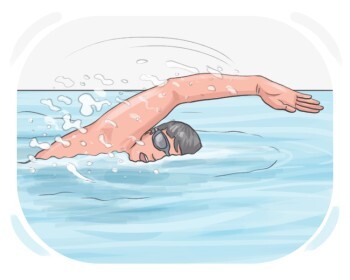
to move through water by moving parts of the body, typically arms and legs
plavat, plavat
Učí se plavat v bazénu.
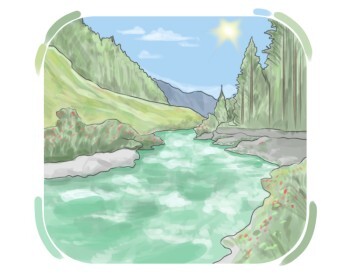
a natural and continuous stream of water flowing on the land to the sea, a lake, or another river
řeka, potok
Šli jsme rybařit u řeky a chytili jsme několik čerstvých pstruhů.
a large area of water, surrounded by land
jezero
Měli piknik u jezera.
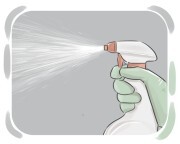
to release small particles of a liquid over an area or surface
rozprašovat, postřikovat
Zahradník postříkal květiny vodou, aby zůstaly hydratované během horkých letních dnů.
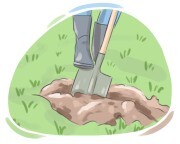
to remove earth or another substance using a tool, machine, or hands
kopat, vykopat
Archeolog použil lopatu k hrabání při hledání starověkých artefaktů.
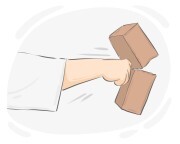
to separate something into more pieces, often in a sudden way
zlomit, rozbít
Dávejte pozor, abyste při mytí nádobí nerozbili sklo.
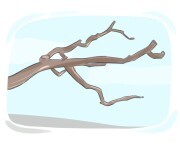
a part of a tree divided into some other parts on which the leaves grow
větev
Použili větev, aby pověsili ptačí krmítko, čímž je zpřístupnili divoké zvěři na dvorku.
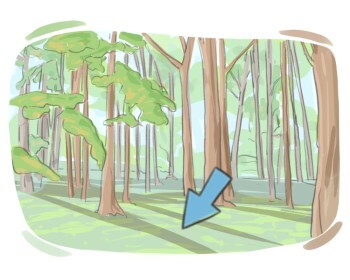
an area that becomes darker and cooler because sunlight is blocked by an object
stín, chladný stín
Turisté odpočívali ve stínu útesu.
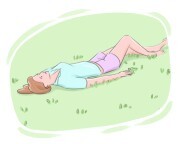
to put one's body in a flat position in order to sleep or rest
lehnout si, odpočívat
Lékař mu poradil, aby si lehl, pokud se cítí závratě.
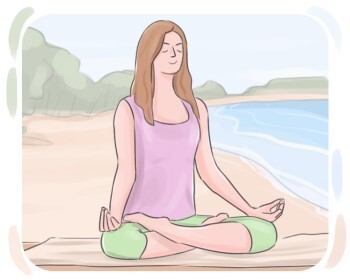
not showing worry, anger, or other strong emotions
klidný, vyrovnaný
I když byl kritizován, reagoval klidně a soustředěně.
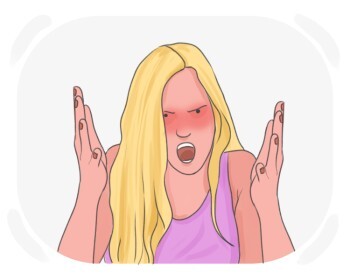
feeling very annoyed because of something that we do not like
naštvaný,rozzlobený, feeling very bad because of something
Jeho rozčílený tón způsobil, že se všichni cítili nepříjemně.
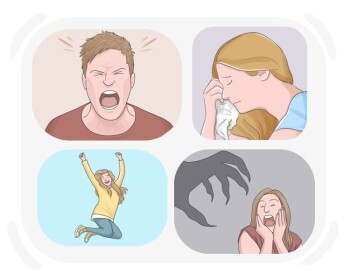
an emotional state or sensation that one experiences such as happiness, guilt, sadness, etc.
pocit
Navzdory jejímu nejlepšímu úsilí to skrýt, pocit úzkosti jí hlodal v žaludku po celou dobu pracovního pohovoru.
to move an object or a part of it up and down or to and fro in a rapid or rhythmic manner
mávat, třepetat
Dítě mávalo stránkami knihy rychle, snažilo se upoutat pozornost svého rodiče.
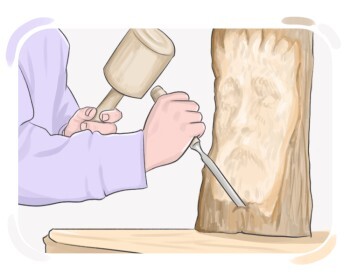
to form, produce, or prepare something, by putting parts together or by combining materials
vyrábět, tvořit
Ručně vyráběné svíčky jsou vyrobeny z vysoce kvalitního včelího vosku nebo sójového vosku.
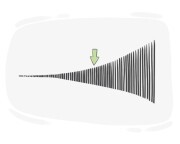
producing a sound or noise with high volume
hlasitý, hlučný
Hlasité bubnování během dramatického finále zvýšilo intenzitu představení.
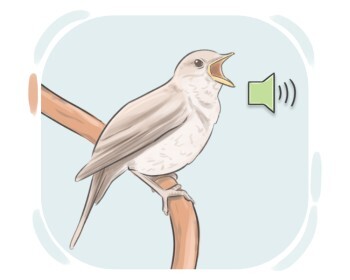
anything that we can hear
zvuk, hluk
Zvuk ptačího zpěvu nás přivítal, když jsme vstoupili do parku.
the young of certain large placental mammals, such as whales, giraffes, elephants, or buffalo
tele, mládě
Sloní mládě calf zůstalo blízko své matky.
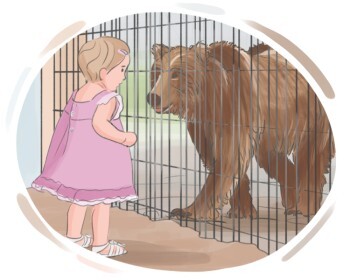
a place where many kinds of animals are kept for exhibition, breeding, and protection
zoo, zoologická zahrada
Pořídili jsme fotky barevných papoušků v zoo.
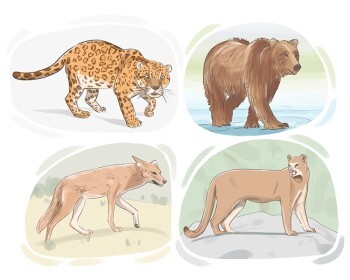
(of an animal or plant) living or growing in a natural state, without any human interference
divoký, přirozený
Šli jsme na túru divokým lesem, pozorovali jsme různé živočichy a rostliny.
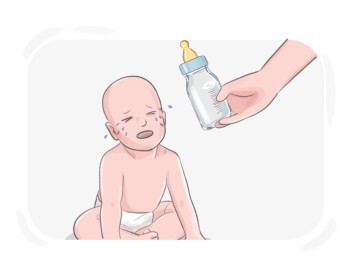
to want something or someone that we must have if we want to do or be something
potřebovat, vyžadovat
Potřebujete pomoc s vaším projektem?

an area that is empty or unoccupied and therefore available for use
prostor, místo
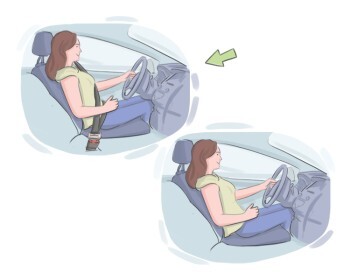
the condition of being protected and not affected by any potential risk or threat
bezpečnost, ochrana
Nouzová cvičení ve školách pomáhají studentům porozumět bezpečnostním postupům v případě požáru nebo jiných hrozeb.
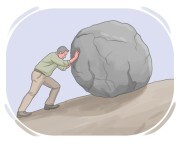
to make an effort or attempt to do or have something
zkusit, pokusit se
Pokusil se zvednout těžkou krabici, ale byla příliš těžká.
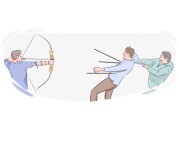
to prevent someone or something from being damaged or harmed
chránit, zachovat
Byly vyslány jednotky, aby chránily pracovníky humanitární pomoci před útoky.
