

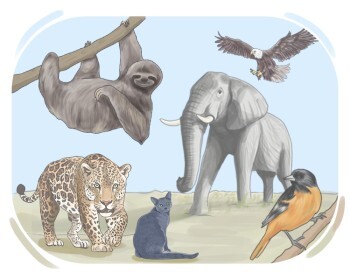
a living thing, like a cat or a dog, that can move and needs food to stay alive, but not a plant or a human

zwierzę, bestia
Ptaki to zwierzęta, które potrafią latać i budować gniazda na drzewach.
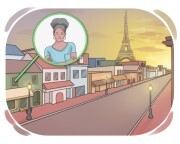
to have your home somewhere specific
mieszkać, żyć
Ona woli żyć w cichej wsi z dala od zatłoczonych miast.
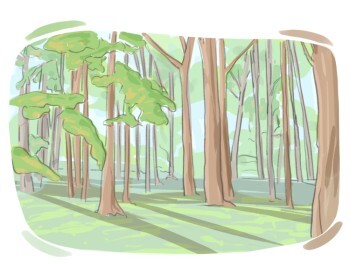
a vast area of land that is covered with trees and shrubs
las
Las zapewnił nam cień w upalny letni dzień.
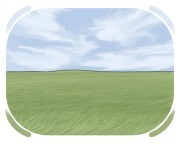
a large, open, and grass-covered area
łąka, pastwisko
Rolnicy wykorzystują łąki do wypasu bydła.
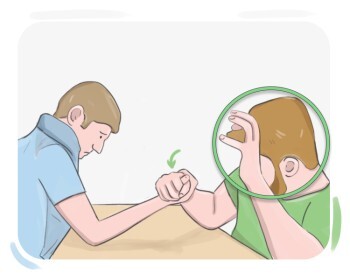
having a lot of physical power
silny, mocny
Był w stanie podnieść ciężkie pudełko, ponieważ był bardzo silny.
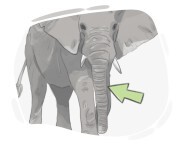
the nose of an elephant that is in the shape of a long hose
trąba, trąba słonia
Trąba słonia to cud ewolucji, zawierająca ponad 40 000 mięśni i służąca jako jeden z najbardziej wszechstronnych wyrostków w królestwie zwierząt.
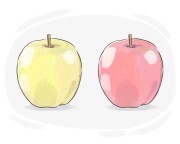
used to indicate that something or someone shares the same qualities or features to another
jak
Walczy jak lew, dziki i odważny.
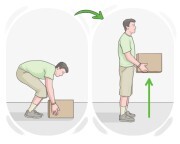
to take and lift something or someone up
podnosić, zbierać
Dzieci muszą zbierać swoje zabawki przed snem.
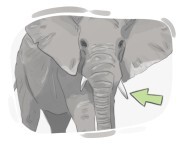
each of the curved pointy teeth of some animals such as elephants, boars, etc., especially one that stands out from the closed mouth
kieł, cios
Mors użył swoich długich ciosów, aby otworzyć skorupiaki, odsłaniając soczyste mięso w środku.
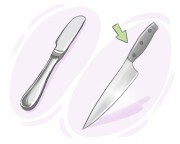
having a point or edge that can pierce or cut something
ostry, spiczasty
Pazury kota były ostre, co pozwalało mu wspinać się na drzewa i łapać zdobycz.

skin that is very thick (as an elephant or rhinoceros)
gruba skóra, gruby naskórek
having a color between white and black, like most koalas or dolphins
szary, siwy
Chmury na niebie były szare i wyglądały, jakby mogło padać.
(of a color) having a deep or intense hue
ciemny, głęboki
Na imprezę założyła ciemnoniebieską sukienkę.
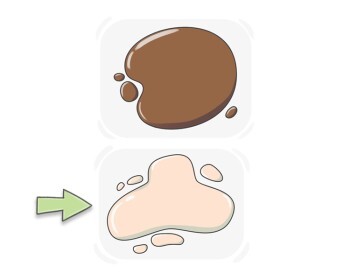
(of color) having less intensity, often because of a small amount of pigment
jasny, blady
Ona woli nosić jasne kolory latem, aby pozostać chłodnym.
used to indicate a small amount or quantity of something
trochę, odrobinę
W lodówce jest jeszcze trochę mleka.
to give one a certain impression or sensation
czuć, sprawiać wrażenie
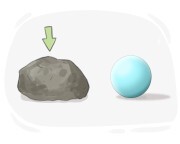
having an uneven or jagged texture
szorstki, nierówny
Jej skóra wydawała się szorstka i sucha od ekspozycji na słońce i wiatr.
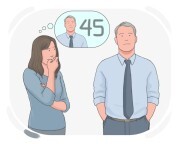
to have a particular appearance or give a particular impression
wyglądać, wydawać się
Dzieci wyglądały na szczęśliwe, bawiąc się w parku.
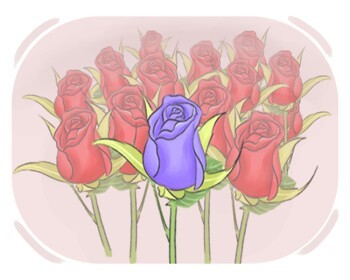
not like another thing or person in form, quality, nature, etc.
inny
Użyła różnych kolorów, aby namalować żywe i pełne życia obraz.
designed or set aside for a specific purpose or need, often different from what is commonly available
specjalny, szczególny
Szef kuchni przygotował specjalne danie na imprezę, dostosowane do gustów gości.
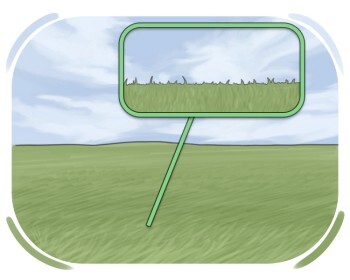
a plant with thin, short, and green upright leaves, commonly found in gardens, parks, etc.
trawa, murawa
Trawa na polu była wysoka i kołysała się na wietrze.
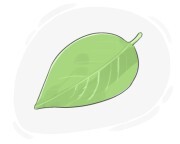
a usually green part of a plant in which the photosynthesis takes place
liść
Ogrodnik zauważył, że liście na roślinach pomidorów żółkną, co wskazuje na możliwy niedobór składników odżywczych.
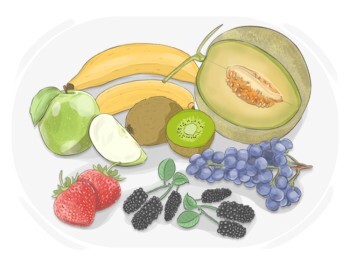
something we can eat that grows on trees, plants, or bushes
owoc
Uwielbiam zaczynać dzień od miski świeżej sałatki owocowej, wypełnionej soczystymi truskawkami, ananasem i pomarańczami.
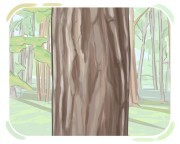
the hard outer covering of a tree
kora, skóra drzewa
Leśniczy zbadał korę drzewa pod kątem oznak choroby lub infestacji owadów.
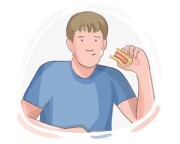
to bite and crush food into smaller pieces with the teeth to make it easier to swallow
żuć, przeżuwać
Pies przeżuł gazetę na podłodze w salonie.
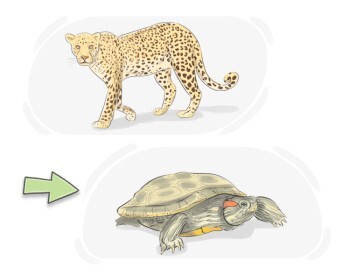
at a pace that is not fast
powoli, wolno
Powoli przewracała strony starej książki, uważając, aby ich nie podrzeć.
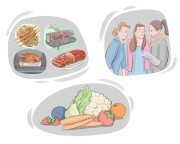
a number of things or people that have some sort of connection or are at a place together
grupa, zespół
Grupa dzieci bawiła się w parku.
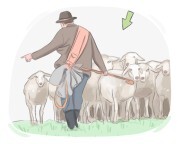
a group of animals, such as cows, sheep, etc. that are from the same species, which move and feed together
stado, trzoda
Opiekun zoo obserwował, jak stado żyraf wędruje po wybiegu.
to continue to be in a particular condition or state
pozostać, zostać
Proszę pozostać na miejscu, aż samolot całkowicie się zatrzyma.
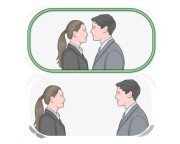
near in distance
bliski, sąsiedni
Bliskość dwóch domów czyniła je idealnymi sąsiadami.
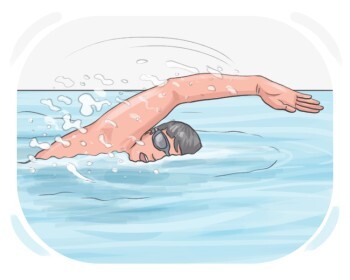
to move through water by moving parts of the body, typically arms and legs
pływać, uprawiać pływanie
Dzieci pływały całe popołudnie na plaży.
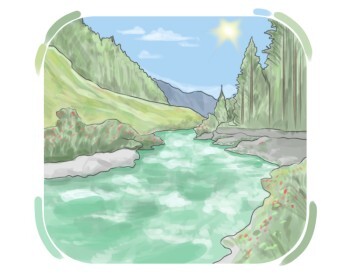
a natural and continuous stream of water flowing on the land to the sea, a lake, or another river
rzeka, strumień
Rzeka była szeroka, i musieliśmy ją przekroczyć, używając mostu.
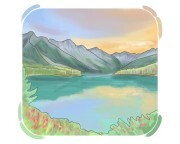
a large area of water, surrounded by land
jezioro
Ścieżka wokół jeziora była idealna na poranny jogging.
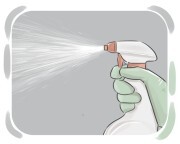
to release small particles of a liquid over an area or surface
rozpylać, spryskiwać
Ogrodnik spryskał kwiaty wodą, aby utrzymać je nawodnione podczas gorących letnich dni.
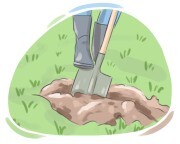
to remove earth or another substance using a tool, machine, or hands
kopać, wykopywać
Górnicy używają ciężkich maszyn do kopania w poszukiwaniu cennych minerałów.
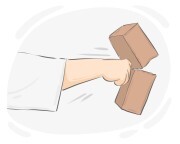
to separate something into more pieces, often in a sudden way
łamać, złamać
Uważaj, aby nie stłuc szkła podczas mycia naczyń.
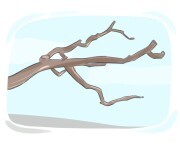
a part of a tree divided into some other parts on which the leaves grow
gałąź
Ptak zbudował gniazdo na wysokiej gałęzi, bezpieczne przed większością drapieżników i oferujące dobry punkt widokowy.
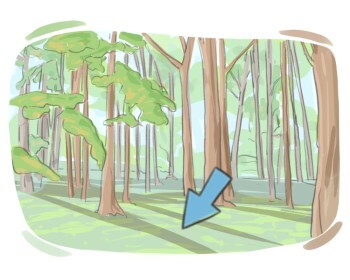
an area that becomes darker and cooler because sunlight is blocked by an object
cień, chłodny cień
Gęste chmury stworzyły tymczasowy cień nad polem.
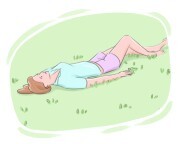
to put one's body in a flat position in order to sleep or rest
położyć się, odpocząć
Zmęczony turysta położył się na trawie, z ulgą, że w końcu odpoczywa.
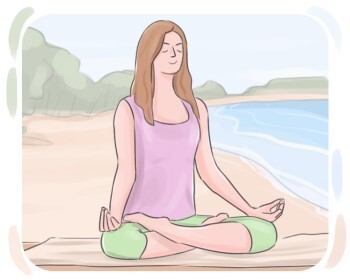
not showing worry, anger, or other strong emotions
spokojny, opanowany
W obliczu przeciwności losu podeszła do wyzwania z spokojnym nastawieniem.
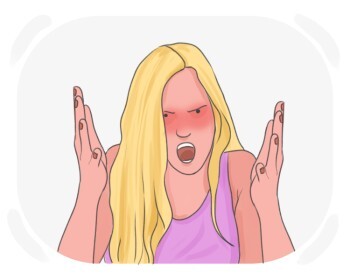
feeling very annoyed because of something that we do not like
zły,wściekły, feeling very bad because of something
Byli źli z powodu opóźnienia swojego lotu.
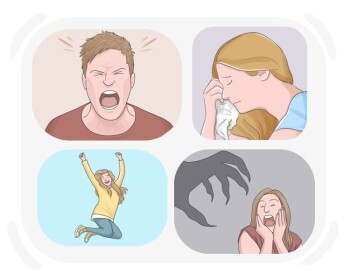
an emotional state or sensation that one experiences such as happiness, guilt, sadness, etc.
uczucie
Czasem prosty uścisk może przekazać więcej niż słowa, wyrażając głębokie uczucie miłości i połączenia.
to move an object or a part of it up and down or to and fro in a rapid or rhythmic manner
machać, trzepotać
Mocno machnęła ręcznikiem, aby usunąć nadmiar wody.
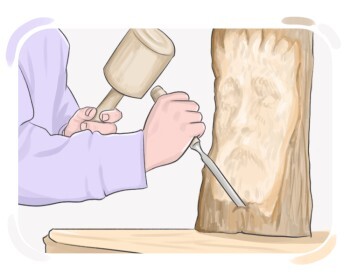
to form, produce, or prepare something, by putting parts together or by combining materials
robić, wytwarzać
Sukienka była wykonana z jedwabiu, ozdobiona misternym haftem.
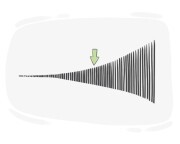
producing a sound or noise with high volume
głośny, hałaśliwy
Trzasnął drzwiami z głośnym hukiem.
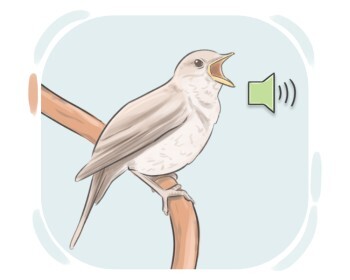
anything that we can hear
dźwięk, hałas
Dźwięk śpiewu ptaków powitał nas, gdy weszliśmy do parku.
the young of certain large placental mammals, such as whales, giraffes, elephants, or buffalo
cielę, młode
Słoniątko calf trzymało się blisko swojej matki.
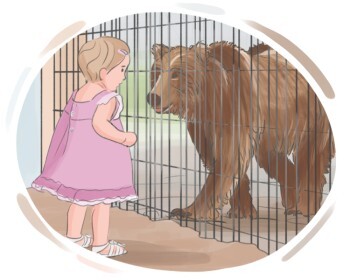
a place where many kinds of animals are kept for exhibition, breeding, and protection
zoo, ogród zoologiczny
Zoo ma duży wybieg, aby słonie mogły swobodnie wędrować.
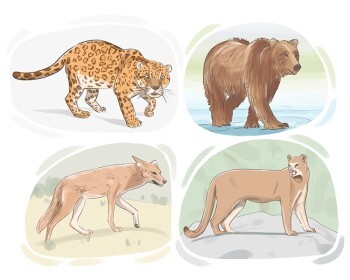
(of an animal or plant) living or growing in a natural state, without any human interference
dziki, naturalny
Safari pozwoliło nam zobaczyć dzikie słonie, zebry i żyrafy w ich naturalnym środowisku.
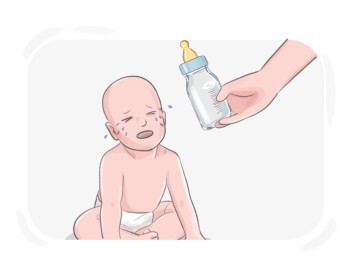
to want something or someone that we must have if we want to do or be something
potrzebować, wymagać
Czy potrzebujesz pomocy z twoim projektem?
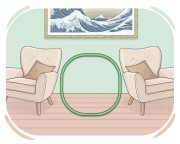
an area that is empty or unoccupied and therefore available for use
przestrzeń, miejsce
Na parkingu nie było już miejsca.
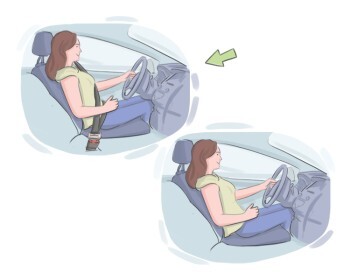
the condition of being protected and not affected by any potential risk or threat
bezpieczeństwo, ochrona
Zawsze sprawdza prognozę pogody przed wędrówką, aby zapewnić sobie bezpieczeństwo na szlakach.
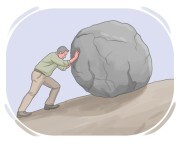
to make an effort or attempt to do or have something
próbować, starać się
Próbował podnieść ciężką skrzynię, ale była zbyt ciężka.
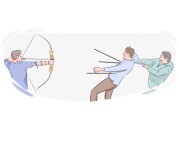
to prevent someone or something from being damaged or harmed
chronić, zabezpieczać
Stłoczyli się razem, aby chronić się przed wiatrem.
| Kluczowe słownictwo dotyczące dzikich zwierząt | |||
|---|---|---|---|
| Lew | Tygrys | Niedźwiedź | Słoń |
| Wilk | Jeleń | ||
