
Basic Sciences - Physics & Energy
Study terms related to heat transfer, energy, electricity, magnetism, quantum physics, nuclear reactions, and radioactivity.
Revize
Kartičky
Pravopis
Kvíz

related to heat or temperature, including how heat moves, how materials expand with temperature changes, and the energy stored in heat

tepelný, termický
Termální zobrazovací kamery detekují infračervené záření emitované objekty, aby vizualizovaly teplotní rozdíly.
(technology) relating to a thermostat, a device that controls temperature automatically
(physics) the release of electrons from atoms or the discharge of energy in the form of radiation or particles
a thermodynamic measure of the degree of disorder or randomness in a system, denoted by S
entropie, termodynamický nepořádek
Rozpuštění rozpuštěné látky v rozpouštědle obecně zvyšuje entropii systému.
(physics) the transfer of heat, electricity, or sound through a material without the material itself moving
(physics) the transfer of heat through a liquid or gas by the movement of the fluid itself
(chemistry) the amount of heat required to raise the temperature of a substance by one degree
(cryogenics) the lowest possible temperature, at which atoms and molecules have minimal motion, equal to 0 Kelvin or -273.15°C
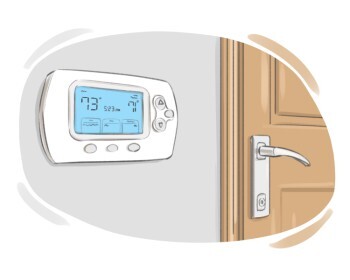
an instrument that automatically controls the temperature of a room, machine, etc.
termostat
Termostat reguluje teplotu v domě, zajišťuje pohodlí a energetickou účinnost.
(physics) a source of power that is required to do any work that may exist in potential, kinetic, thermal and other forms
energie, výkon
Chemická energie uložená v bateriích napájí elektronická zařízení.
relating to the electric power which is generated by the flow of water
hydroelektrický
Vodní energie je obnovitelný zdroj energie, který neprodukuje emise skleníkových plynů.
(physics) stored energy that an object has due to its position or condition
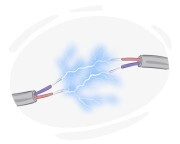
a source of power used for lighting, heating, and operating machines
elektřina
Používáme elektřinu k napájení světel v našem domě.
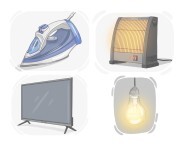
relating to, produced by, or using electricity
elektrický
Náš kempingový výlet byl mnohem snazší s pomocí elektrické lucerny, která nám v noci svítila na cestu.
the total amount of stored battery energy available to power a device or vehicle until depletion
nabití, úroveň baterie
10minutové rychlé nabití přidá 300 km dojezdu.
(physics) an invisible region of force around a charged object that affects other charged objects nearby
a form of electricity generated by friction between two materials, resulting in an imbalance of electric charges on their surfaces
statická elektřina, elektrostatika
Statická elektřina se používá ve fotokopírkách a laserových tiskárnách k přitahování tonerových částic k papíru.
a phenomenon of attracting and repulsing forces that a moving electrical charge produces
magnetismus, magnetická síla
Magnetismus vysvětlil, jak jsou magnetismus a elektřina propleteny.
to make an object capable of attracting certain metals
zmagnetizovat, magnetizovat
Tření magnetu sem a tam po železném šroubu je jedním ze způsobů, jak ručně zmagnetizovat kov.
either of the two regions at the ends of a magnet where magnetic force is strongest
pól, magnetický pól
Střelka kompasu se zarovnává s magnetickými póly Země.
(physics) magnetism that is created by an electric current flowing through a conductor
(physics) the branch of science that studies how matter and energy behave at the tiniest scales
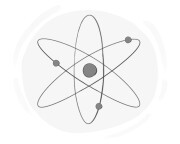
relating to, producing, or powered by nuclear energy
jaderný, atomový
Jaderné zbraně jsou regulovány mezinárodními smlouvami, aby se zabránilo šíření.
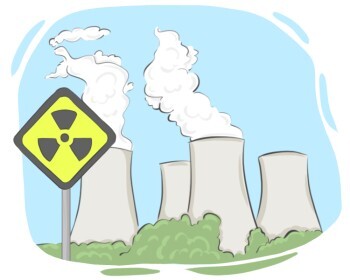
powerful energy that is produced when the core of an atom is splitted
jaderná energie, atomová energie
(physics) a structure that harnesses the energy produced from a nuclear reaction and converts it into electricity
jaderný reaktor, atomový reaktor
(physics) capable of splitting apart in a nuclear reaction, releasing a large amount of energy
(chemistry) the splitting of a heavy and unstable atomic nucleus into lighter parts
štěpení
Jaderné štěpení bylo objeveno na konci 30. let 20. století a poskytlo vhled do obrovské energie uvolněné během štěpení atomů uranu.
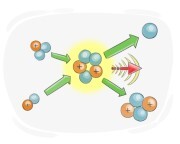
(physics) a nuclear reaction by which the nuclei of atoms combine and form a heavier nucleus, producing nuclear energy
fúze, jaderná fúze
Projekt ITER testuje magnetické udržení pro řízenou fúzi.
containing or relating to a dangerous form of energy produced by nuclear reactions
radioaktivní, zářící
Geigerovy počítače se používají k detekci a měření úrovní radioaktivní kontaminace.
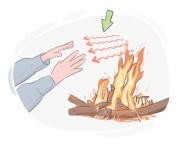
energy transmitted through space or matter in the form of waves or particles
záření, radiace
Laboratoř změřila úrovně záření v místnosti.
the time required for half of a quantity of a substance to undergo a change or decay, typically in the context of radioactive decay or chemical reactions
poločas rozpadu, poločas přeměny
Koncept poločasu rozpadu je použitelný v oborech, jako je farmakologie, geologie, fyzika a environmentalistika.
