


more than what is typical or usual, often indicating extra importance or attention

zvláštní, speciální
a city in central Japan on southern Honshu; a famous cultural center that was once the capital of Japan
Kjóto, město v centrálním Japonsku na jihu Honšú; slavné kulturní centrum

a country that is in East Asia and made up of many islands
Japonsko
Veřejná dopravní síť Japonska je známá svou efektivitou a přesností, zejména vlaky Shinkansen.
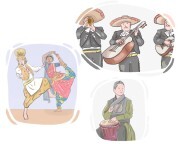
belonging to or following the methods or thoughts that are old as opposed to new or different ones
tradiční, klasický
Tradiční dress code společnosti vyžaduje formální oblečení, zatímco jiná pracoviště přijímají uvolněné politiky.
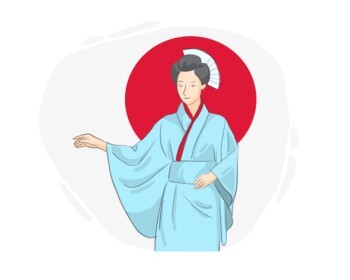
relating to the country, people, culture, or language of Japan
japonský
Japonské technologické společnosti jsou známé svými inovacemi v elektronice a robotice.
the general beliefs, customs, and lifestyles of a specific society
kultura
a Japanese woman trained to entertain men with conversation and singing and dancing
gejša, tradiční japonská umělkyně

visually pleasing in a charming way
hezký, krásný
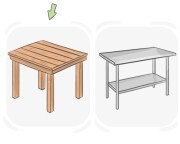
made of a hard material that forms the branches and trunks of trees
dřevěný, ze dřeva
Vážila si dřevěnou krabičku na šperky, kterou vyrobil její dědeček, a uchovávala v ní své nejcennější majetky.

to go somewhere for a short time, especially to see something
navštívit, zavítat

a series of performances of music, plays, movies, etc. typically taking place in the same location every year
festival

having an appealing quality
cool, stylový

someone who provides enjoyment and amusement to others through various forms of performance, such as music, comedy, acting, or magic
bavič, umělec
Je více než jen bavič; je také vynikajícím řečníkem.

to have something such as clothes, shoes, etc. on your body
nosit, oblékat

a long and loose robe with wide sleeves that is fastened with a sash, originally worn on formal occasions in Japan
kimono, dlouhý a volný šat s širokými rukávy

cosmetic substances applied especially to the face to change or enhance its appearance
make-up
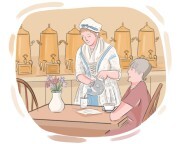
a place where tea is served, often accompanied by snacks or light meals
čajovna, dům čaje
Během naší cesty do Kjóta jsme se zastavili v historickém čajovém domě.
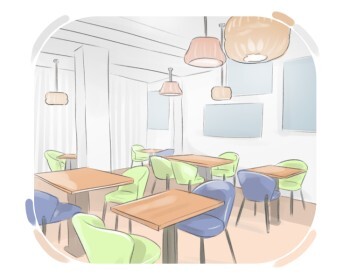
a place where we pay to sit and eat a meal
restaurace, jídelna

a type of tea made from the leaves and buds of the tea plant, and it has a green color and a slightly bitter taste
zelený čaj, zelený nálev
Zelený čaj je populární nápoj ve východoasijských zemích.

having a very pleasant flavor
vynikající, lahodný
Grilovaná ryba byla dokonale ochucená a chutnala vynikajíc.
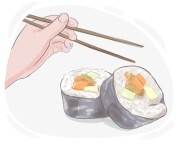
a dish of small rolls or balls of cold cooked rice flavored with vinegar and garnished with raw fish or vegetables, originated in Japan
sushi
Naučil se připravovat sushi v kurzu vaření a nyní si užívá jeho přípravu doma pro přátele a rodinu.
a type of Japanese fried food, usually made with seafood or vegetables that are coated in a light batter and deep-fried
tempura, japonské smažené jídlo

free from conflict, violence, or disorder
mírumilovný, klidný
Meditační sezení zanechalo všechny s klidným pocitem, který trval celý den.
being present, existing, or in circulation in the current time or situation
přítomný, v oběhu
Dnes není mnoho odborníků kolem, kteří by rozuměli tomuto starověkému jazyku.

an era in European history, between about AD 1000 and AD 1500, when the authority of kings, people of high rank, and the Christian Church was unquestionable
středověk, středověké období
Hrady a rytíři jsou ikonickými symboly života během středověku.
(of a place) full of activity or people
živý, přeplněný

a place, usually a building, with a stage where plays and shows are performed
divadlo, představení sál

a portable light consisting of a handle and a housing that contains a light source
lucerna, lampa
Starověká lucerna byla umístěna na polici.
to make something bright by means of color or light
rozsvítit, prozářit
Vánoční stromek zářil jasně, osvětluje obývací pokoj teplou, sváteční září.

to go outside and move on one's feet for pleasure or exercise
to visit a place to discover what it is like
navštívit, prozkoumat
Prozkoumal jsem vintage trh pro jedinečný nábytek.
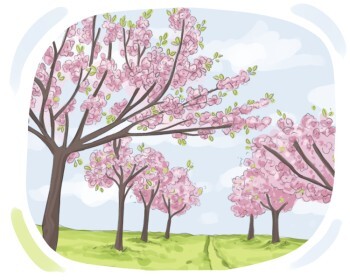
the season that comes after winter, when in most countries the trees and flowers begin to grow again
jaro, na jaře
any of numerous trees and shrubs producing a small fleshy round fruit with a single hard stone; many also produce a valuable hardwood
třešeň, višeň

a flower or a lot of flowers, particularly on a bush or a fruit tree
květ, kvetení
Zahradník pečlivě pečoval o růžové keře a zajistil, aby každý květ byl zdravý a živý.

a type of folktale that typically features mythical creatures, magical events, and enchanted settings, often with a moral lesson or a happy ending
pohádka, kouzelný příběh
Sbírka knihovny zahrnuje širokou škálu knih pohádek, od nadčasových klasik po moderní převyprávění.
