
Vocabulario Clave de Calles Famosas - Gion
Revisión
Tarjetas de memoria
Ortografía
Cuestionario


more than what is typical or usual, often indicating extra importance or attention

especial, particular
El informe destaca una atención especial a la mejora de la cultura en el lugar de trabajo.
a city in central Japan on southern Honshu; a famous cultural center that was once the capital of Japan
Kioto, una ciudad en el centro de Japón en el sur de Honshu; un famoso centro cultural que una vez fue la capital de Japón

a country that is in East Asia and made up of many islands
Japón
Japón tiene una rica herencia culinaria, famosa por el sushi, el ramen y el tempura.
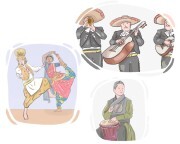
belonging to or following the methods or thoughts that are old as opposed to new or different ones
tradicional
Decoró su sala de estar en un estilo tradicional, con muebles de madera clásicos y lámparas antiguas.
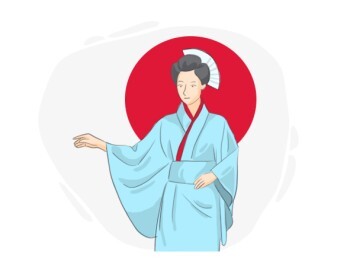
relating to the country, people, culture, or language of Japan
japonés
Viajó a Japón para experimentar la arquitectura japonesa y las tradiciones japonesas.
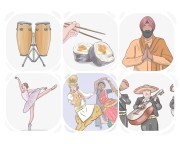
the general beliefs, customs, and lifestyles of a specific society
cultura
Nuestra escuela promueve una cultura de respeto y amabilidad.
a Japanese woman trained to entertain men with conversation and singing and dancing
geisha, artista tradicional japonesa
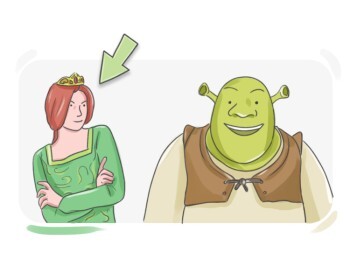
visually pleasing in a charming way
bonito
La niña tenía una bonita sonrisa que derretía corazones.
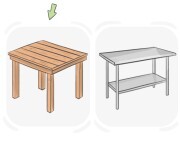
made of a hard material that forms the branches and trunks of trees
de madera, maderero
Los niños jugaron con bloques de madera, construyendo torres y estructuras.
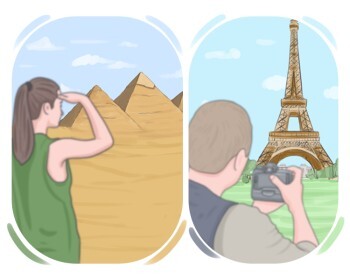
to go somewhere for a short time, especially to see something
visitar
Los turistas visitaron el zoológico para ver animales exóticos de todo el mundo.
a series of performances of music, plays, movies, etc. typically taking place in the same location every year
festival
El festival de danza presentó actuaciones de todo el mundo.

having an appealing quality
genial
Entró en la habitación con una cool confianza que atrajo la atención de todos.

someone who provides enjoyment and amusement to others through various forms of performance, such as music, comedy, acting, or magic
artista, animador
Todos disfrutaron del espectáculo, gracias al talentoso animador.
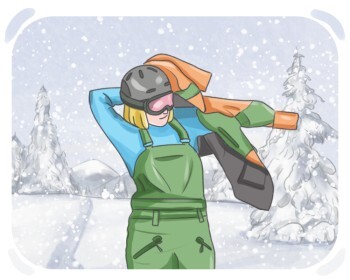
to have something such as clothes, shoes, etc. on your body
llevar
Se les indicó a los estudiantes que usaran sus uniformes escolares todos los días.

a long and loose robe with wide sleeves that is fastened with a sash, originally worn on formal occasions in Japan
kimono

any type of substance that one uses to add more color or definition to one's face in order to alter or enhance one's appearance
maquillaje
Ofrecieron un tutorial de maquillaje para ayudar a otros a aprender técnicas.
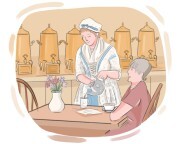
a place where tea is served, often accompanied by snacks or light meals
salón de té, casa de té
Prefiere trabajar en una acogedora casa de té en lugar de una cafetería.
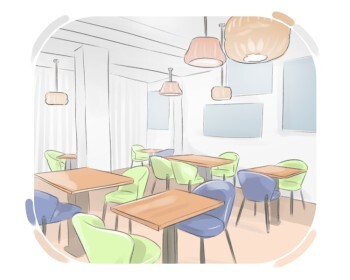
a place where we pay to sit and eat a meal
restaurante
Celebraron su aniversario en un restaurante elegante con vistas a la ciudad.

a type of tea made from the leaves and buds of the tea plant, and it has a green color and a slightly bitter taste
té verde, infusión verde
Él prefiere el té verde sobre el café por sus efectos calmantes.

having a very pleasant flavor
delicioso, rico
La pizza estaba tan deliciosa que pedimos otra.
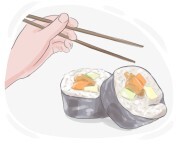
a dish of small rolls or balls of cold cooked rice flavored with vinegar and garnished with raw fish or vegetables, originated in Japan
sushi
Ordenaron una bandeja de sushi para compartir, que incluía California rolls y spicy tuna rolls.
a type of Japanese fried food, usually made with seafood or vegetables that are coated in a light batter and deep-fried
tempura, rebozado japonés

free from conflict, violence, or disorder
pacífico
Los científicos lograron avances importantes durante las temporadas productivas de exploración pacífica, sin obstáculos por conflictos en casa.
being present, existing, or in circulation in the current time or situation
presente, en circulación
La mejor cafetería actualmente está justo al final de la calle.
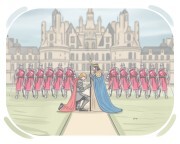
an era in European history, between about AD 1000 and AD 1500, when the authority of kings, people of high rank, and the Christian Church was unquestionable
Edad Media
La Edad Media vio la propagación de la arquitectura gótica, evidente en las grandes catedrales construidas durante este tiempo.
(of a place) full of activity or people
ocupado
El café estaba ocupado, con gente charlando y trabajando en sus portátiles.

a place, usually a building, with a stage where plays and shows are performed
teatro
El teatro del centro está presentando una producción de Shakespeare.

a portable light consisting of a handle and a housing that contains a light source
linterna, farol
El festival presentó cientos de linternas brillantes.
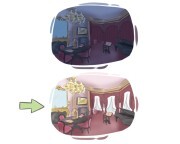
to make something bright by means of color or light
iluminarse
El amanecer pintó el cielo con tonos de naranja, rosa y púrpura, iluminando el mundo con la promesa de un nuevo día.
![to [take] a walk](https://cdn.langeek.co/photo/39607/thumb/walk/350?type=jpeg "to [take] a walk")
to go outside and move on one's feet for pleasure or exercise
to visit a place to discover what it is like
visitar, explorar
Deberías echar un vistazo al festival de jazz este fin de semana.
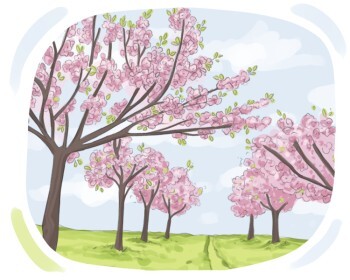
the season that comes after winter, when in most countries the trees and flowers begin to grow again
primavera
Los pájaros comienzan a construir sus nidos en la primavera.
any of numerous trees and shrubs producing a small fleshy round fruit with a single hard stone; many also produce a valuable hardwood
cerezo, guindo
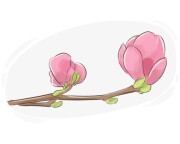
a flower or a lot of flowers, particularly on a bush or a fruit tree
flor
Ella admiró los vibrantes flores del magnolio mientras se abrían bajo la cálida luz del sol.

a type of folktale that typically features mythical creatures, magical events, and enchanted settings, often with a moral lesson or a happy ending
cuento de hadas
Los cuentos de hadas a menudo presentan criaturas míticas como hadas, brujas, dragones y animales parlantes.
