pattern

Vocabulario clave de animales salvajes - Oso

Revisión

Tarjetas de memoria

formas

Ortografía

Cuestionario

Empezar a aprender
Key Wild Animals Vocabulary
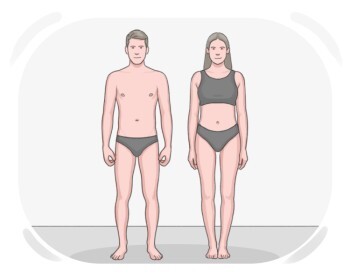
body
body
[Sustantivo]

our or an animal's hands, legs, head, and every other part together

cuerpo
cuerpo

Ex: The body's immune system protects against harmful bacteria and viruses. 
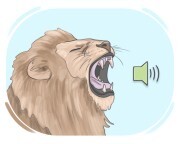
to roar
to roar
[Verbo]

to make the deep, powerful cry characteristic of a lion or similar animal

rugir
rugir

Ex: The injured animal suddenly roared and backed away. 
to [have] a baby

to give birth to a child

Ex: Have you ever considered having a baby? 
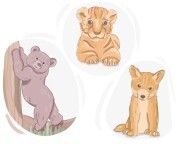
cub
cub
[Sustantivo]

a young carnivorous mammal, such as a bear, lion, fox, etc.

cachorro

cachorro

Ex: The fox cub emerged from the den at sunset. 
to grow
to grow
[Verbo]

to get larger and taller and become an adult over time

madurar

madurar

Ex: Children need proper nutrition to grow healthy and strong. 
kind
kind
[Sustantivo]

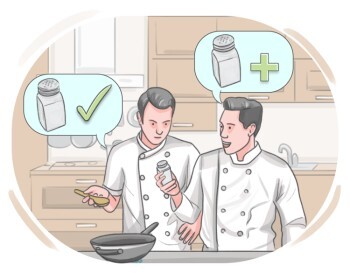
a group of people or things that have similar characteristics or share particular qualities

tipo, clase
tipo, clase

Ex: The festival attracts people of different kinds, all celebrating together. 
important
important
[Adjetivo]

having a lot of value

importante

importante

Ex: Freedom of speech is an important right in democratic societies. 

La libertad de expresión es un derecho importante en las sociedades democráticas.
nature
nature
[Sustantivo]

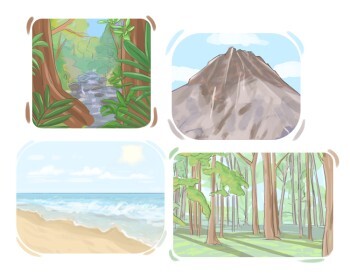
everything that exists or happens on the earth, excluding things that humans make or control

naturaleza
naturaleza

Ex: I love spending time in nature, surrounded by trees, flowers, and fresh air. 
animal
animal
[Sustantivo]

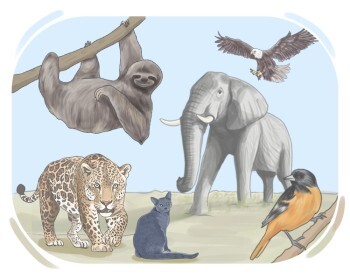
a living thing, like a cat or a dog, that can move and needs food to stay alive, but not a plant or a human

animal

animal

Ex: My son's favorite animal is the lion. 
to live
to live
[Verbo]

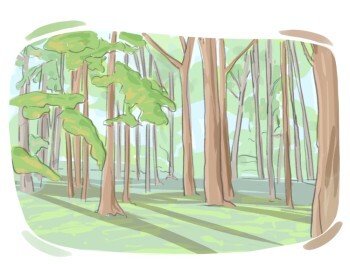
to have your home somewhere specific

vivir
vivir

Ex: She has lived in the same small town since she was born. 
forest
forest
[Sustantivo]

a vast area of land that is covered with trees and shrubs

bosque
bosque

Ex: The forest is home to a diverse range of plant and animal species. 
mountain
mountain
[Sustantivo]

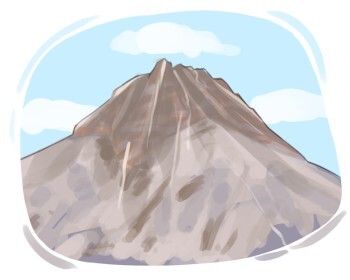
a very tall and large natural structure that looks like a huge hill with a pointed top that is often covered in snow

montaña
montaña

Ex: The mountain provided a natural barrier between the two valleys. 
strong
strong
[Adjetivo]

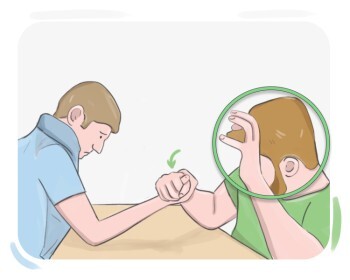
having a lot of physical power

fuerte, poderoso
fuerte, poderoso

Ex: The strong athlete easily lifted the weights in the gym. 
tail
tail
[Sustantivo]

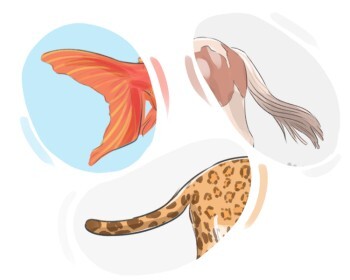
the part of the body of an animal, a bird or a fish that sticks out at the back, which can move

cola
cola

Ex: The kangaroo uses its tail for balance while hopping. 
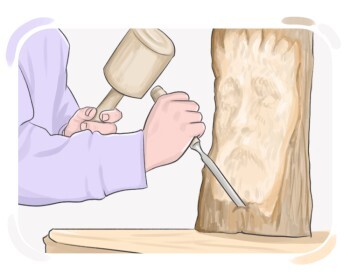
mouth
mouth
[Sustantivo]

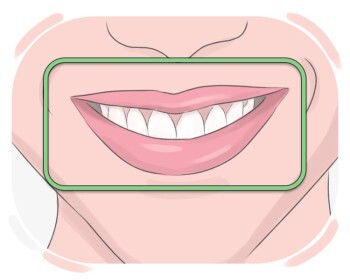
our body part that we use for eating, speaking, and breathing

boca
boca

Ex: He tasted the delicious cake, savoring the flavors in his mouth. 
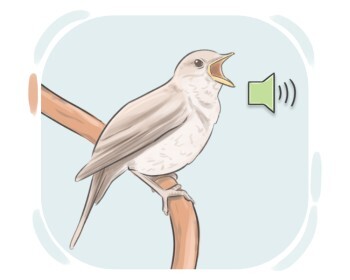
to make
to make
[Verbo]

to form, produce, or prepare something, by putting parts together or by combining materials

hacer
hacer

Ex: The factory workers make thousands of cars every month. 
sound
sound
[Sustantivo]

anything that we can hear

sonido

sonido

Ex: Laughter is a delightful sound that brightens any room. 
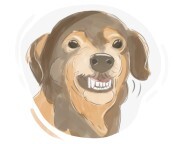
to call
to call
[Verbo]

to give a name or title to someone or something

llamar, nombrar
llamar, nombrar

Ex: She wants to call her baby girl Lily. 
growl
growl
[Sustantivo]

a low, guttural sound made by an animal, typically to express anger, threat, or warning

gruñido

gruñido

Ex: The bear's growl echoed through the forest. 

El gruñido del oso resonó por el bosque.
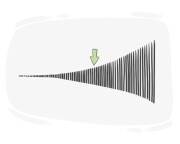
loud
loud
[Adjetivo]

producing or involving a large amount of sound or noise

alto, fuerte
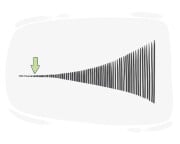
alto, fuerte

Ex: Please don't speak in such a loud voice. 
soft
soft
[Adjetivo]

having a low volume

suave (sonido)

suave (sonido)

Ex: The soft hum of the refrigerator could be heard in the quiet kitchen. 
thick
thick
[Adjetivo]

(of hair or fur) grown near together in large numbers or amounts

abundante
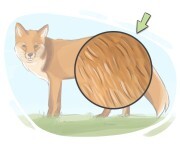
abundante

Ex: He ran his fingers through his thick hair, enjoying the feeling of its volume. 
fur
fur
[Sustantivo]

the thick, usually soft hair that covers the bodies of many mammals

pelo, pelaje
pelo, pelaje

Ex: Polar bears have dense fur that helps keep them warm. 
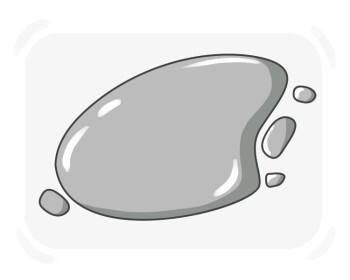
gray
gray
[Adjetivo]

having a color between white and black, like most koalas or dolphins

gris
gris

Ex: The cat's fur was gray and he had bright green eyes. 
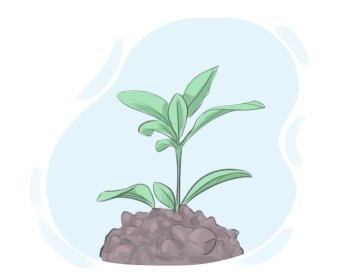
plant
plant
[Sustantivo]

a living thing that grows in ground or water, usually has leaves, stems, flowers, etc.

planta
planta

Ex: The orchid is a beautiful tropical plant. 
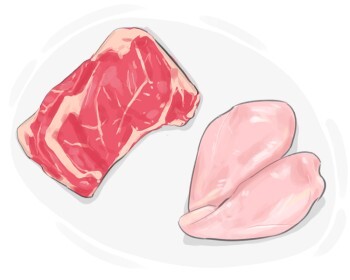
meat
meat
[Sustantivo]

the flesh of animals and birds that we can eat as food

carne
carne

Ex: She cooked the meat on low heat to ensure it was tender and moist. 
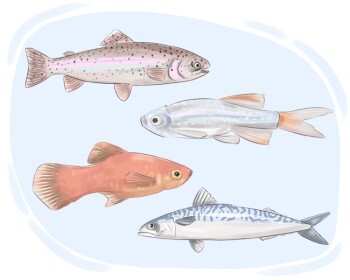
fish
fish
[Sustantivo]

an animal with a tail, gills and fins that lives in water

pez
pez

Ex: The colorful fish in the aquarium captured my attention. 
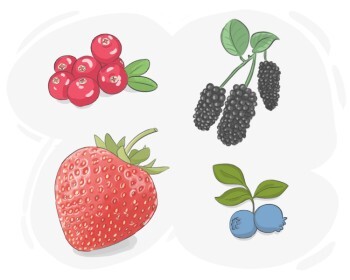
berry
berry
[Sustantivo]

a juicy small fruit with no pit, which grows on a bush

baya

baya

Ex: She picked ripe berries from the bush and added them to her breakfast cereal. 

Ella recogió bayas maduras del arbusto y las añadió a su cereal del desayuno.
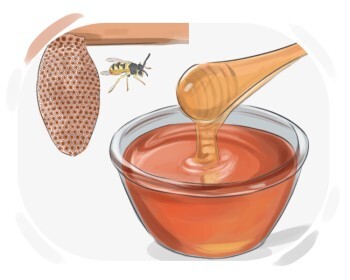
honey
honey
[Sustantivo]

a sweet, sticky substance made by bees from flower nectar and used as food

miel
miel

Ex: The farmer sells locally produced honey at the market. 
insect
insect
[Sustantivo]

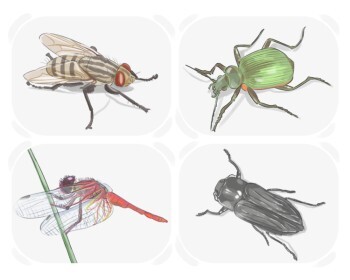
a small arthropod with six legs and a body divided into three parts, often also having wings

insecto, bicho
insecto, bicho

Ex: Most insects have six legs. 
food
food
[Sustantivo]

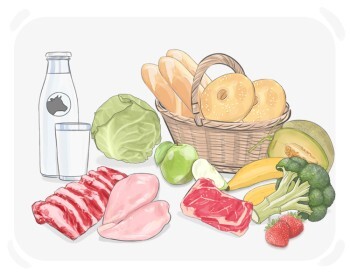
things that people and animals eat, such as meat or vegetables

comida
comida

Ex: She always tries to choose healthy and nutritious foods. 
claw
claw
[Sustantivo]

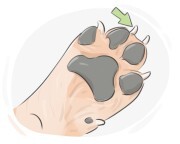
a sharp and curved nail on the toe of an animal or a bird

garra

garra

Ex: A claw on the lobster is strong enough to break shells. 

Una garra en la langosta es lo suficientemente fuerte como para romper conchas.
to dig
to dig
[Verbo]

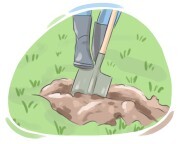
to break up, loosen, or remove earth or another material with a tool, machine, or the hands

cavar
cavar

Ex: Workers dug through several layers of earth to reach the damaged pipe. 
to catch
to catch
[Verbo]

to capture or grab something or someone using methods like hunting, chasing, or trapping

atrapar, capturar

atrapar, capturar

Ex: The spider used its web to catch insects for food. 
to climb
to climb
[Verbo]

to move upward on something, often using feet and hands for support

trepar, escalar
trepar, escalar

Ex: He climbs the stairs every morning to stay fit. 
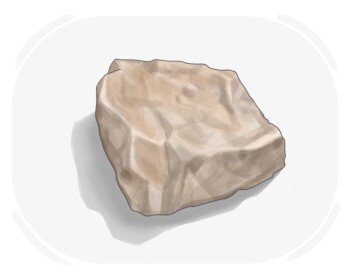
rock
rock
[Sustantivo]

a solid material forming part of the earth's surface, often made of one or more minerals

roca, piedra
roca, piedra

Ex: The lighthouse was built on a rock just off the coast. 
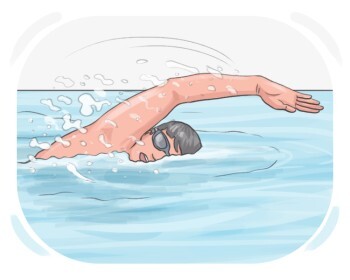
to swim
to swim
[Verbo]

to move through water by moving the arms and legs or, in animals, other parts of the body

nadar
nadar

Ex: The children swam across the pool. 
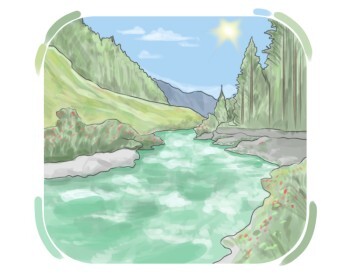
river
river
[Sustantivo]

a natural and continuous stream of water flowing on the land to the sea, a lake, or another river

río
río

Ex: The river flowed gently, reflecting the surrounding trees. 
lake
lake
[Sustantivo]

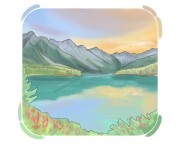
a large area of water, surrounded by land

lago
lago

Ex: The mountain's reflection in the lake was stunning. 
cave
cave
[Sustantivo]

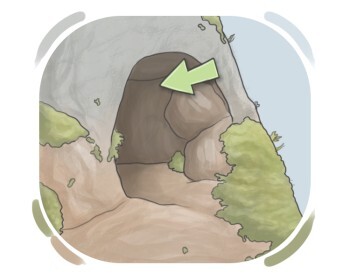
a natural hollow or passage in the earth, especially one with an opening to the surface

cueva
cueva

Ex: Ancient paintings cover the walls of the cave. 
den
den
[Sustantivo]

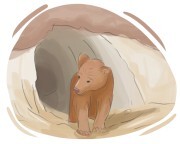
the hidden place where a wild predatory animal lives

guarida

guarida

Ex: Badgers create intricate underground dens called setts, which serve as communal living spaces for extended family groups. 

Los tejones crean madrigueras subterráneas intrincadas llamadas setts, que sirven como espacios de vida comunal para grupos familiares extensos.

through
through
[Preposición]

used to indicate a period, date, or level extending up to and including the specified point

hasta, a través de

hasta, a través de

Ex: The book covers chapters 1 through 10. 

El libro abarca los capítulos 1 hasta 10.
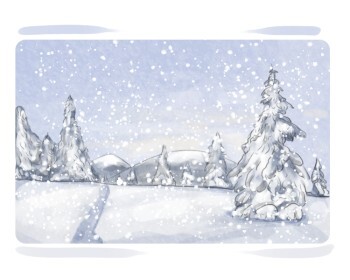
winter
winter
[Sustantivo]

the season that comes after fall and in most countries winter is the coldest season

invierno
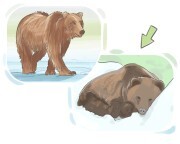
invierno

Ex: Winter brings a peaceful silence, especially after a fresh snowfall. 
hibernation
hibernation
[Sustantivo]

a dormant state in animals, characterized by lowered body temperature and metabolic activity, often during winter to conserve energy

hibernación, letargo invernal

hibernación, letargo invernal

Ex: In preparation for hibernation, the hedgehog builds up fat reserves to sustain itself through the inactive period. 

En preparación para la hibernación, el erizo acumula reservas de grasa para sostenerse durante el período de inactividad.

calm
calm
[Adjetivo]

not showing worry, anger, or other strong emotions

tranquilo, calmado
tranquilo, calmado

Ex: The calm expression on her face masked any inner turmoil she might have felt. 
angry
angry
[Adjetivo]

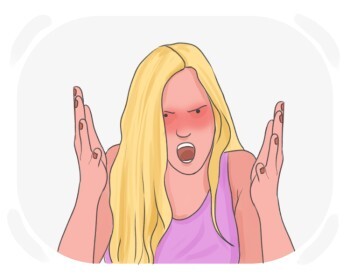
feeling very annoyed because of something that we do not like

enojado, enfadado
enojado, enfadado

Ex: She was angry after being blamed for something she didn't do. 
feeling
feeling
[Sustantivo]

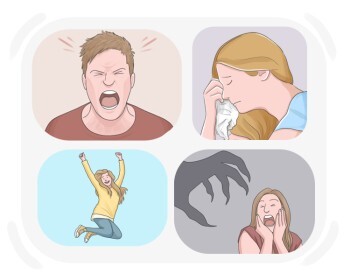
an emotional state or sensation that one experiences such as happiness, guilt, sadness, etc.

sentimiento
sentimiento

Ex: The feeling of excitement in the air was palpable as the crowd awaited the start of the concert. 
face
face
[Sustantivo]

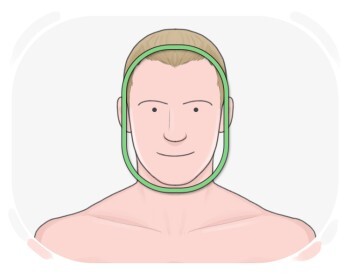
the front part of our head, where our eyes, lips, and nose are located

cara

cara

Ex: She had a big smile on her face. 
Vocabulario clave de animales salvajes
LeónTigreOsoElefante
LoboCiervo
LanGeek
Descargar la aplicación LanGeek