Vocabular cheie al animalelor sălbatice - Urs
Revizuire
Fișe de studiu
forme
Ortografie
Chestionar

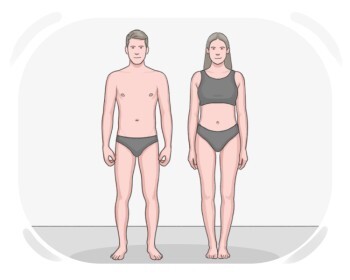
our or an animal's hands, legs, head, and every other part together

corp, organism
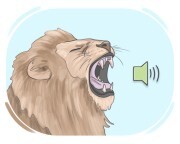
to make the deep, powerful cry characteristic of a lion or similar animal
rage, răcni
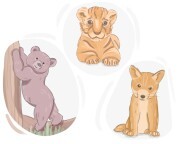
a young carnivorous mammal, such as a bear, lion, fox, etc.
pui, pui de animal

to get larger and taller and become an adult over time
crește, se dezvolta

a group of people or things that have similar characteristics or share particular qualities
fel, categorie
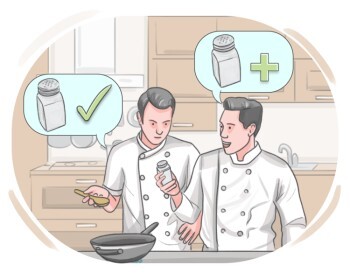
having a lot of value
important, crucial
Educația este un instrument important pentru dezvoltarea personală și profesională.
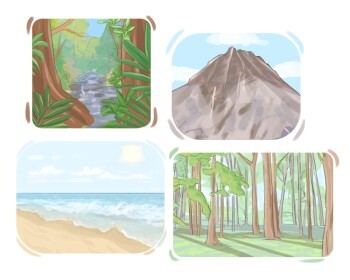
everything that exists or happens on the earth, excluding things that humans make or control
natură, mediu natural
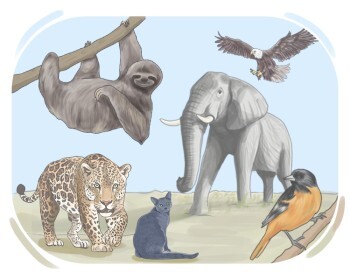
a living thing, like a cat or a dog, that can move and needs food to stay alive, but not a plant or a human
animal, bestie

to have your home somewhere specific
locui, trăi
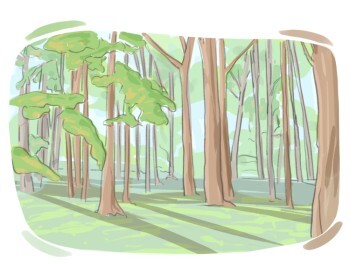
a vast area of land that is covered with trees and shrubs
pădure
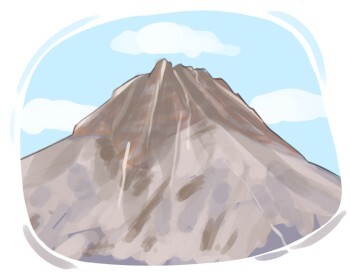
a very tall and large natural structure that looks like a huge hill with a pointed top that is often covered in snow
munte, vârf
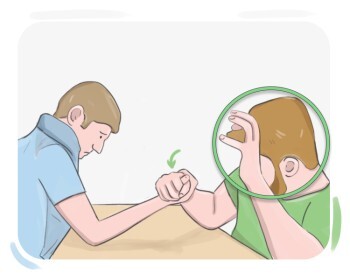
having a lot of physical power
puternic, viguros
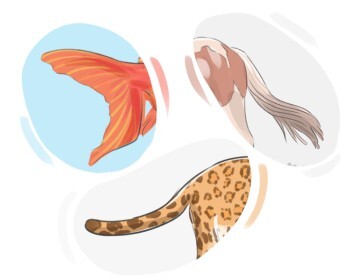
the part of the body of an animal, a bird or a fish that sticks out at the back, which can move
coadă, coada animalului
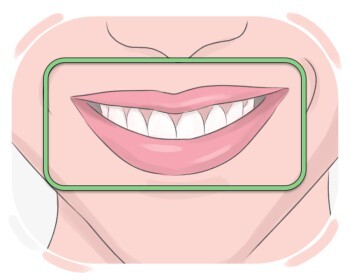
our body part that we use for eating, speaking, and breathing
gură
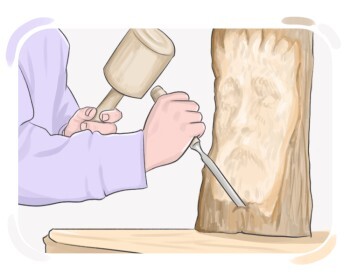
to form, produce, or prepare something, by putting parts together or by combining materials
face, construi
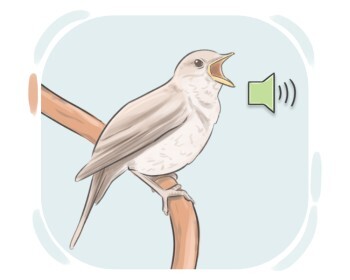
anything that we can hear
sunet, zgomot

to give a name or title to someone or something
numi, denumi
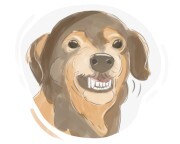
a low, guttural sound made by an animal, typically to express anger, threat, or warning
mârâit, bâzâit
Câinele a scos un mârâit adânc când străinul s-a apropiat.
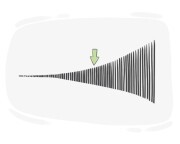
producing or involving a large amount of sound or noise
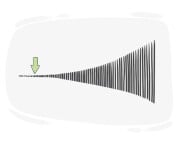
having a low volume
moale, scăzut
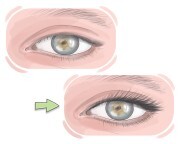
(of hair or fur) grown near together in large numbers or amounts
des, gros
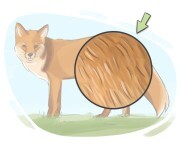
the thick, usually soft hair that covers the bodies of many mammals
blană
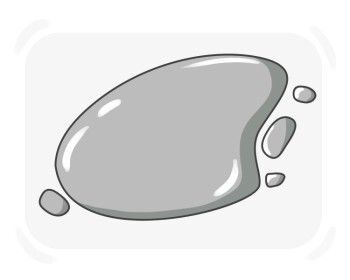
having a color between white and black, like most koalas or dolphins
gri, cărunțit
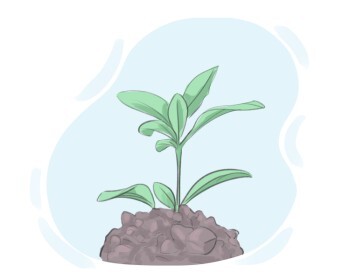
a living thing that grows in ground or water, usually has leaves, stems, flowers, etc.
plantă, vegetație
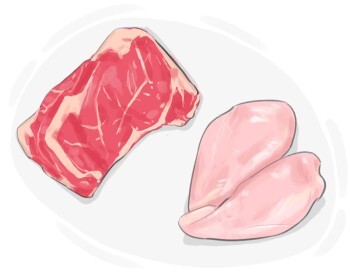
the flesh of animals and birds that we can eat as food
carne, viandă
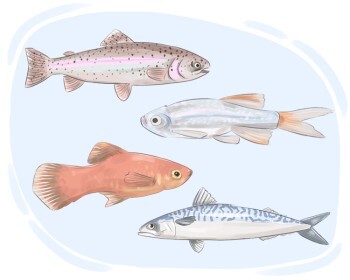
an animal with a tail, gills and fins that lives in water
pește, pește
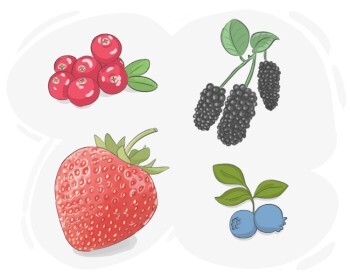
a juicy small fruit with no pit, which grows on a bush
boabă, fruct de pădure
Fructele de pădure uscate sunt convenabile și oferă o textură satisfăcătoare de mestecat.
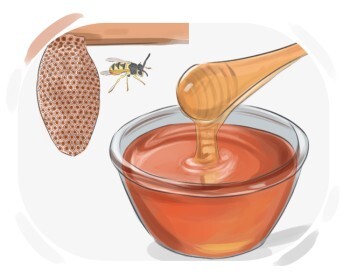
a sweet, sticky substance made by bees from flower nectar and used as food
miere
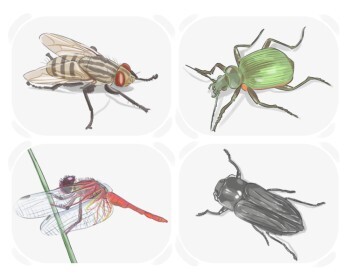
a small arthropod with six legs and a body divided into three parts, often also having wings
a small arthropod with six legs and a body divided into three parts, often also having wings
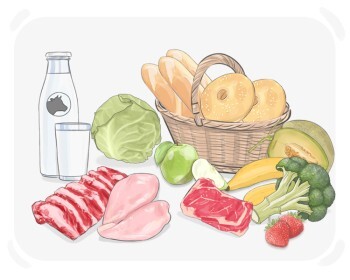
things that people and animals eat, such as meat or vegetables
mâncare, alimente
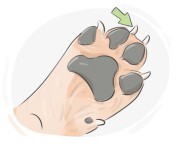
a sharp and curved nail on the toe of an animal or a bird
gheară, ghiont
Pisica și-a întins ghearele ascuțite pentru a se apăra.
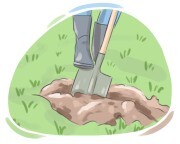
to break up, loosen, or remove earth or another material with a tool, machine, or the hands
săpa, excava
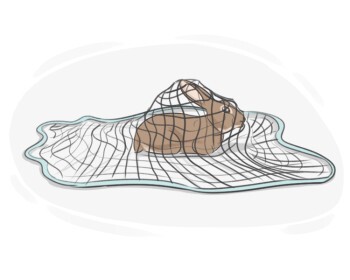
to capture or grab something or someone using methods like hunting, chasing, or trapping
prinde, captura

to move upward on something, often using feet and hands for support
a se cățăra, a urca
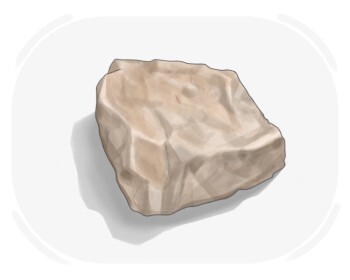
a solid material forming part of the earth's surface, often made of one or more minerals
stâncă, piatră
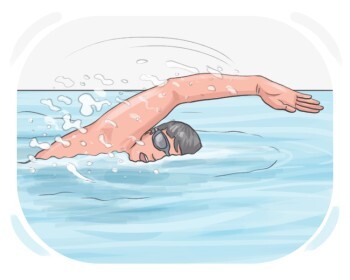
to move through water by moving the arms and legs or, in animals, other parts of the body
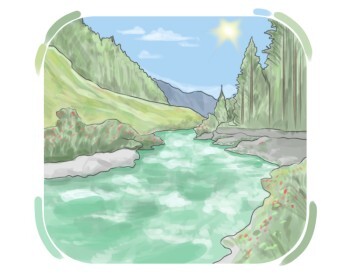
a natural and continuous stream of water flowing on the land to the sea, a lake, or another river
râu, fluviu

a large area of water, surrounded by land
lac
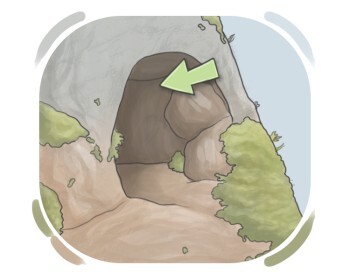
a natural hollow or passage in the earth, especially one with an opening to the surface
peșteră, cavernă
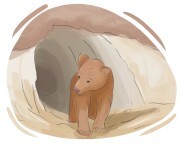
the hidden place where a wild predatory animal lives
bârlog, vizuină
Urșii construiesc adesea vizuină în peșteri sau sapă în pământ pentru hibernare în lunile de iarnă.
used to indicate a period, date, or level extending up to and including the specified point
până la, prin
Magazinul este deschis de luni până vineri.
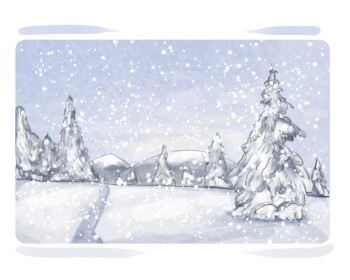
the season that comes after fall and in most countries winter is the coldest season
iarnă
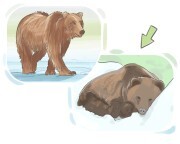
a dormant state in animals, characterized by lowered body temperature and metabolic activity, often during winter to conserve energy
hibernare, letarg de iarnă
Urșii intră într-o stare de hibernare în lunile de iarnă pentru a conserva energie și a supraviețui cu resurse alimentare limitate.

not showing worry, anger, or other strong emotions
calm, senin
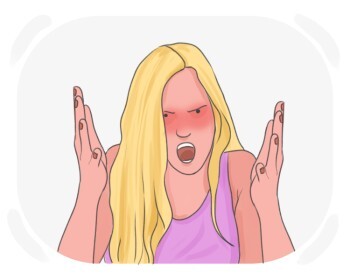
feeling very annoyed because of something that we do not like
supărat,furios, feeling very bad because of something