pattern

Vocabulario clave para cocina y comedor - Cuchillo y Tenedor

Revisión

Tarjetas de memoria

Ortografía

Cuestionario

Empezar a aprender
Key Vocabulary for Kitchen & Dining
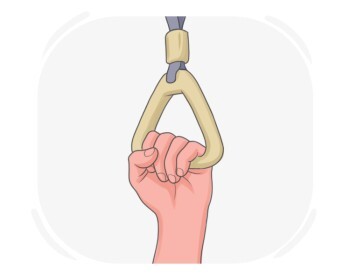
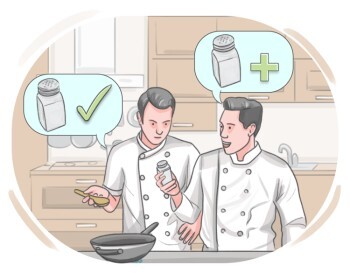
to hold
to hold
[Verbo]

to have in your hands or arms

agarrar, coger
agarrar, coger

Ex: He gently held the fragile vase, careful not to drop it. 
important
important
[Adjetivo]

having a lot of value

importante

importante

Ex: Freedom of speech is an important right in democratic societies. 

La libertad de expresión es un derecho importante en las sociedades democráticas.
careful
careful
[Adjetivo]

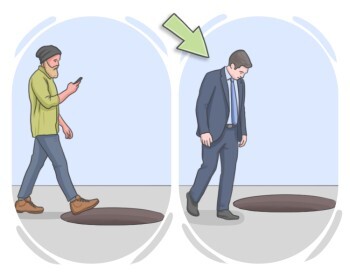
giving attention or thought to what we are doing to avoid doing something wrong, hurting ourselves, or damaging something

cuidadoso

cuidadoso

Ex: She was careful not to wake the sleeping baby. 

Ella tuvo cuidado de no despertar al bebé dormido.

hurt
hurt
[Adjetivo]

damaged; used of inanimate objects or their value

dañado, estropeado
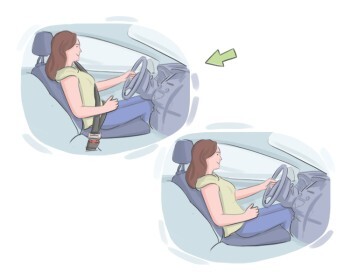
dañado, estropeado

Ex: The damaged goods were sold at a reduced price because of their hurt condition. 
safe
safe
[Adjetivo]

protected from any danger

sin peligro, seguro
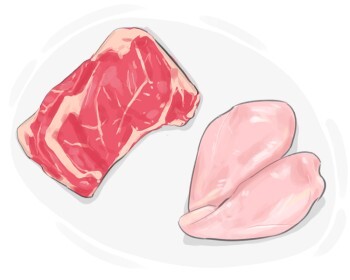
sin peligro, seguro

Ex: The secure vault kept the valuable documents safe from theft. 
meat
meat
[Sustantivo]

the flesh of animals and birds that we can eat as food

carne
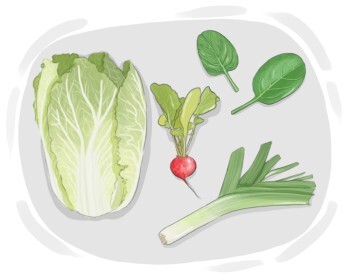
carne

Ex: She cooked the meat on low heat to ensure it was tender and moist. 
vegetable
vegetable
[Sustantivo]

a plant or edible part of a plant that is eaten as food

verdura

verdura

Ex: We grow several vegetables in our backyard. 
table
table
[Sustantivo]

furniture with a usually flat surface on top of one or multiple legs that we can sit at or put things on

mesa
mesa

Ex: The wooden picnic table in the park was a perfect spot for lunch. 
also
also
[Adverbio]

used to add another item, fact, or action to what has already been mentioned

también

también

Ex: He speaks Spanish and also understands Portuguese. 

Él habla español y también entiende portugués.
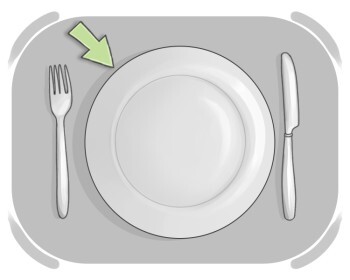
plate
plate
[Sustantivo]

a flat, typically round dish that we eat from or serve food on

plato
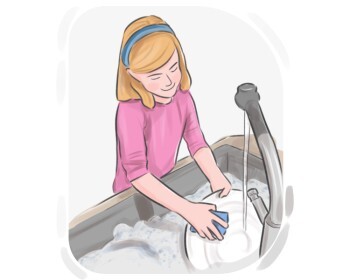
plato

Ex: They used disposable plates for the picnic. 
to wash
to wash
[Verbo]

to clean someone or something with water, often with a type of soap

lavar
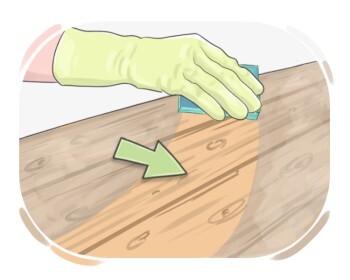
lavar

Ex: I usually wash my car at the car wash. 
clean
clean
[Adjetivo]

not having any bacteria, marks, or dirt

limpio, aseado

limpio, aseado

Ex: She used a clean sponge to wipe the kitchen counter. 
to help
to help
[Verbo]

to make something easier, particularly by improving the situation

ayudar,  facilitar
ayudar, facilitar

Ex: This new software helps to organize tasks efficiently. 
easily
easily
[Adverbio]

in a way that something is done without much trouble or exertion

fácilmente

fácilmente

Ex: They fixed the car easily. 

Arreglaron el coche fácilmente.

simple
simple
[Adjetivo]

not involving difficulty in doing or understanding

fácil

fácil

Ex: The task was simple to complete; it didn't require any specialized skills. 
mealtime
mealtime
[Sustantivo]

the hour at which a meal is habitually or customarily eaten

hora de la comida, hora de comer
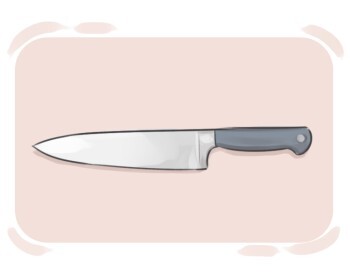
hora de la comida, hora de comer

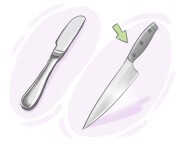
knife
knife
[Sustantivo]

a sharp blade with a handle that is used for cutting or as a weapon

cuchillo

cuchillo

Ex: I need to sharpen the knife for smoother cutting. 
fork
fork
[Sustantivo]

an object with a handle and three or four sharp points that we use for picking up and eating food

tenedor
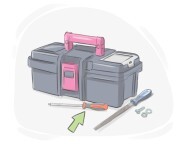
tenedor

Ex: I usually use a fork to cut into a tender piece of meat. 
tool
tool
[Sustantivo]

something such as a hammer, saw, etc. that is held in the hand and used for a specific job

herramienta
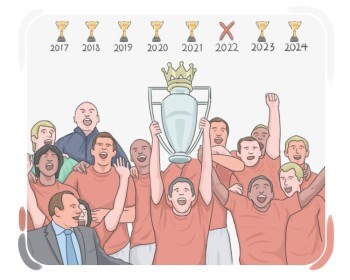
herramienta

Ex: The chef's most important tool in the kitchen is a sharp knife. 
usually
usually
[Adverbio]

in most situations or under normal circumstances

normalmente
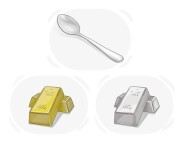
normalmente

Ex: We usually have a family gathering on Thanksgiving. 
metal
metal
[Sustantivo]

a usually solid and hard substance that heat and electricity can move through, such as gold, iron, etc.

metal
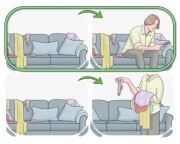
metal

Ex: Gold is a precious metal valued for its rarity and beauty. 
to keep
to keep
[Verbo]

to make someone or something stay or remain in a specific state, position, or condition

mantener, guardar

mantener, guardar

Ex: The teacher keeps the students engaged. 
kitchen
kitchen
[Sustantivo]

the place in a building or home where we make food

cocina

cocina

Ex: She stored canned goods and snacks in the kitchen pantry. 
dining room
dining room
[Sustantivo]

a room that we use to eat meals in

comedor

comedor

Ex: They enjoyed breakfast in the dining room, starting the day with a tasty meal. 
stick
stick
[Sustantivo]

a long, thin object, often resembling a piece of wood, used for pointing, drawing attention, or performing specific actions

palo, varita

palo, varita

Ex: The conductor used a stick to lead the orchestra. 
end
end
[Sustantivo]

the part that is the most distant point of something

final, extremo
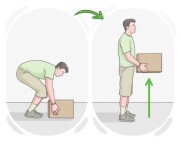
final, extremo

Ex: They set up a picnic at the end of the pier, enjoying the sea breeze. 
to pick up
to pick up
[Verbo]

to take and lift something or someone up

recoger, levantar

recoger, levantar

Ex: She picked up the newspaper from the porch in the morning. 

Ella recogió el periódico del porche por la mañana.
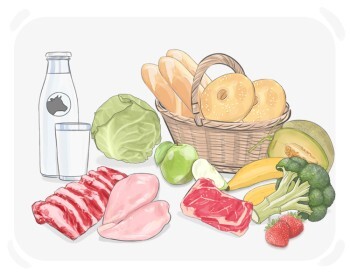
food
food
[Sustantivo]

things that people and animals eat, such as meat or vegetables

comida
comida

Ex: She always tries to choose healthy and nutritious foods. 
sharp
sharp
[Adjetivo]

having a point or edge that can pierce or cut something

afilado, filoso

afilado, filoso

Ex: The scissors had sharp blades that easily cut through fabric. 
edge
edge
[Sustantivo]

a sharp side formed by the intersection of two surfaces of an object

borde, filo
borde, filo

Ex: He ran his finger along the edge of the metal sheet. 
piece
piece
[Sustantivo]

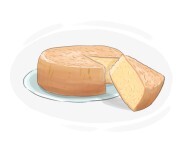
a part of an object, broken or cut from a larger one

pedazo
pedazo

Ex: The tailor carefully cut the fabric into small pieces before sewing them together to create a stunning garment. 
together
together
[Adverbio]

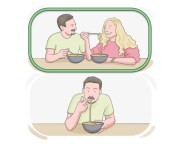
in the company of or in proximity to another person or people

juntos

juntos

Ex: They traveled together across Europe last summer. 

Viajaron juntos por Europa el verano pasado.
when
when
[Conjunción]

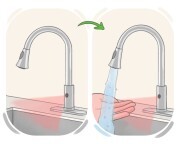
used to indicate that two things happen at the same time or during something else

cuando, en que

cuando, en que

Ex: I'll call you when I finish my work. 

Te llamaré cuando termine mi trabajo.

Vocabulario clave para cocina y comedor
NeveraHornoPlatoCuchillo y Tenedor
Mesa de comedorMicroondas
LanGeek
Descargar la aplicación LanGeek