
Vocabulario de América del Norte y Central - Guatemala
Repasar
Tarjetas de memoria
Ortografía
Cuestionario


a piece of land surrounded by water

isla
La isla tenía atardeceres impresionantes que pintaban el cielo con tonos vibrantes.
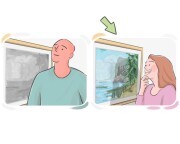
catching and keeping our attention because of being unusual, exciting, etc.
interesante
Mi vecino tiene una colección interesante de coches vintage.
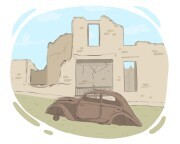
the remains of a building, town, or other structure that has been destroyed or fallen into decay
ruinas
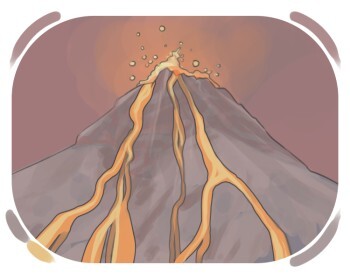
a mountain with an opening on its top, from which melted rock and ash can be pushed out into the air
volcán
La erupción del volcán fue una de las más destructivas de la historia.

a society that has developed its own culture and institutions in a particular period of time or place
civilización
Muchos aspectos de la civilización griega influyen en la filosofía y el arte contemporáneos.
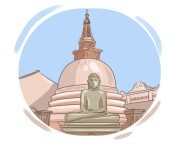
a building used for religious worship, especially in religions such as Hinduism and Buddhism
templo
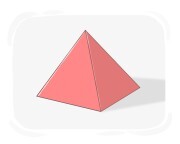
a solid with a polygonal base and triangular faces that meet at a single point
pirámide
Ella calculó el volumen de la pirámide para la tarea.
a country or territory politically controlled by another, more powerful country
colonia
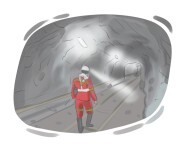
a deep hole or large tunnel in the ground where workers dig for salt, gold, coal, etc.
mina
El gobierno reguló las medidas de seguridad en la mina de uranio para proteger a los trabajadores de la exposición a la radiación.
the state of being free from the control of others
independencia
Ella valoraba su independencia y prefería tomar decisiones por su cuenta.
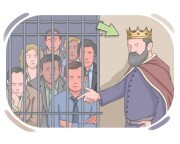
a ruler that has total power over a state, particularly a ruler who gained power through force
dictador, déspota
Mucha gente huyó del país para escapar del gobierno opresivo del dictador.
related to or characteristic of a system of government where power comes from the people through free elections and respects individual rights
democrático
Sus ideales democráticos priorizan la inclusividad, la igualdad y el respeto por diversas perspectivas.
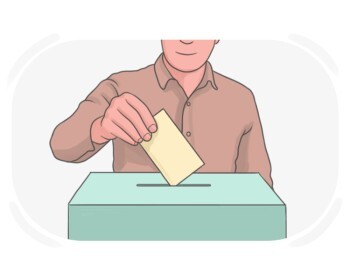
to formally express a choice or opinion about a candidate, proposal, or issue through an election or voting process
votar

a person descended from a particular ancestor
descendiente
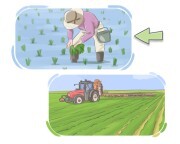
with the hands or physical effort rather than relying on machines or tools
a mano,manualmente
El artesano elaboró la cerámica a mano, dando forma y moldeando cada pieza individualmente.

a typically repeating arrangement of shapes, colors, etc., regularly done as a design on a surface
estampado, diseño
Su camisa tenía un patrón de rayas llamativo que la hacía destacar entre la multitud.
full of activity, excitement, and energy
emocionante
(of a volcano) currently showing signs of volcanic activity or having the potential to become active soon
activo,en actividad
El Kilauea en Hawái se considera un volcán activo debido a sus frecuentes flujos de lava.
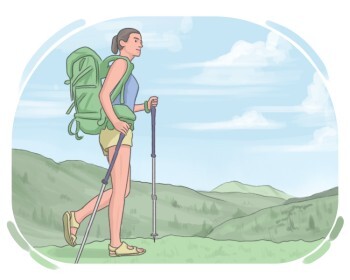
the activity of taking long walks in the countryside or mountains, often for fun
senderismo, excursionismo
Ella hace senderismo cada fin de semana para escapar del bullicio de la ciudad.
the overall appearance of a place, including its natural features and buildings
paisaje,escenario
El viaje en tren ofrece un paisaje impresionante a lo largo de la costa.

of, relating to, or characteristic of the hot regions around the equator
tropical
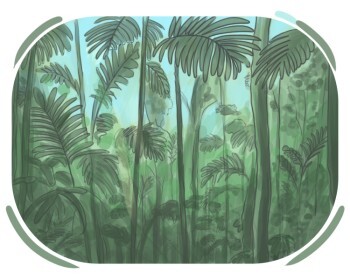
a thick, tropical forest with tall trees and consistently heavy rainfall
bosque lluvioso
El Amazonas es el bosque tropical más grande del mundo.
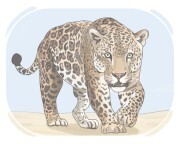
a large wild animal belonging to the cat family with a yellow fur covered with black spots, native to Central and South America
jaguar
Camuflado entre el follaje, el jaguar se mezclaba perfectamente con su exuberante entorno.
a colorful bird species known for its vibrant plumage, long tail feathers, and cultural significance in Mesoamerican civilizations
quetzal,ave quetzal
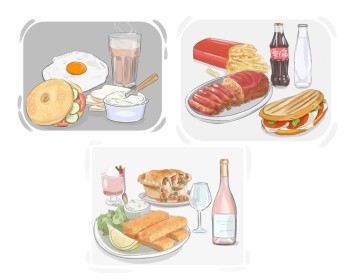
food that is made in a special way as part of a meal
plato, platillo
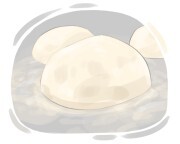
a thick mixture of flour, liquid and sometimes yeast that is baked into bread or pastry
masa
La masa de los donuts está subiendo antes de freírse.
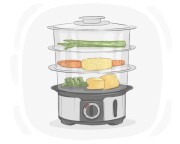
to cook using the steam of boiling water
cocer al vapor, cocinar al vapor
Puedes cocinar al vapor los dumplings colocándolos en una cesta de vapor sobre agua hirviendo.
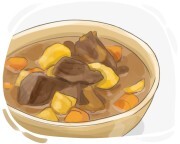
a dish of vegetables or meat cooked at a low temperature in liquid in a closed container
guisado, estofado, guiso
Disfrutó de un humeante plato de estofado de pollo, lleno de verduras y sazonado con hierbas fragantes.

occurring frequently or existing in large numbers or many places
común
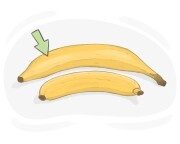
a cooking banana that is starchy and grows in tropical regions
plátano, banana
Me gusta freír plátanos machos hasta que estén dorados y disfrutarlos como un sabroso acompañamiento.
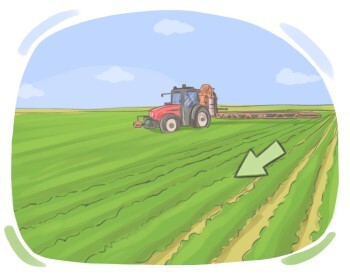
a plant that is grown for food over large areas of land
cultivo
La cosecha de arroz fue abundante este año debido a condiciones climáticas favorables.
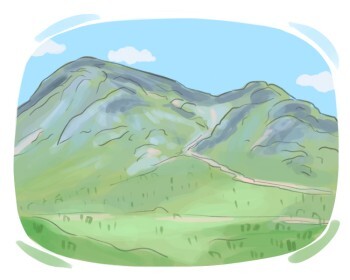
land with mountains or hills
tierras altas
Los pueblos indígenas de las tierras altas andinas han cultivado campos en terrazas durante siglos, adaptándose a los desafíos de la agricultura en alturas elevadas.
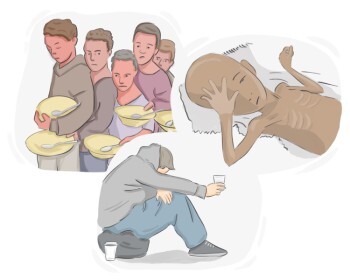
the condition of lacking enough money or income to afford basic needs like food, clothing, etc.
pobreza
La educación es vista como una clave para escapar del ciclo de la pobreza.
the right or opportunity to use something or benefit from it
acceso
Los ciudadanos tienen acceso a los servicios de salud a través de programas financiados por el gobierno.
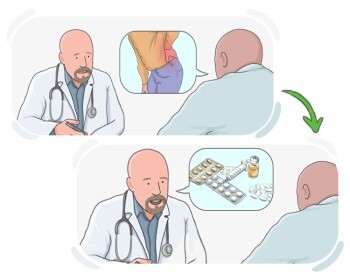
the health services and treatments given to people
atención médica, asistencia médica
Ella decidió seguir una carrera en el sector de la salud porque quería ayudar a los demás.

the process of teaching and learning, especially in schools, colleges, or universities
educación
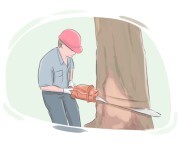
to cut through something at its base in order to make it fall
cortar algo por la base para hacerlo caer, derribar un árbol o estructura cortando la parte inferior
La ciudad tuvo que talarr varios árboles enfermos para prevenir la propagación de la infección a los más saludables.
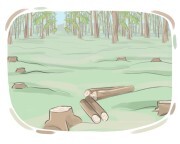
the extensive removal of forests, typically causing environmental damage
deforestación
La deforestación rápida ha destruido los hábitats de innumerables especies de vida silvestre.
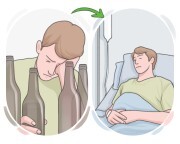
to experience and be affected by something bad or unpleasant
sufrir
La empresa sufrió pérdidas financieras durante la crisis económica.
something considered choice to eat
golosina,manjar
| Vocabulario de América del Norte y Central | |||
|---|---|---|---|
| Estados Unidos | Canadá | México | Cuba |
| Guatemala | El Salvador | Nicaragua | Haití |
| Costa Rica | Panamá | ||
