
El libro Solutions - Intermedio - Unidad 6 - 6C
Aquí encontrarás el vocabulario de la Unidad 6 - 6C en el libro de curso Solutions Intermediate, como "determinado", "por ejemplo", "en consecuencia", etc.
Revisión
Tarjetas de memoria
Ortografía
Cuestionario


trying or wishing to gain great success, power, or wealth

ambicioso
María es una estudiante ambiciosa, que siempre aspira a las mejores calificaciones y participa en numerosas actividades extracurriculares.

making use of imagination or innovation in bringing something into existence
creativo
Conocí a un artista creativo, que convierte objetos cotidianos en hermosas esculturas.

having or displaying a strong will to achieve a goal despite the challenges or obstacles
decidido
El equipo estaba decidido a ganar el campeonato, entrenando rigurosamente.
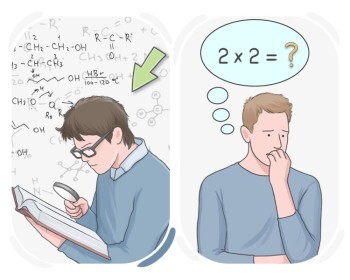
good at learning things, understanding ideas, and thinking clearly
inteligente
Mi hermana es increíblemente inteligente; puede resolver problemas matemáticos complejos con facilidad.

able to remain calm, especially in challenging or difficult situations, without becoming annoyed or anxious
paciente
A pesar de los retrasos, ella permaneció paciente durante su viaje, sabiendo que el tráfico estaba fuera de su control.
(of a person) having trust in one's abilities and qualities
seguro de sí mismo
Incluso en situaciones difíciles, él permaneció seguro de sí mismo.
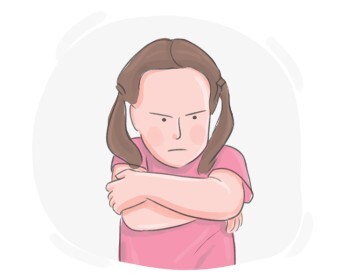
unwilling to change one's attitude or opinion despite good reasons to do so
terco, obstinado
El niño terco se negó a comer sus verduras, incluso después de que le dijeron que eran buenas para él.

used to introduce an example of something mentioned
por ejemplo, a modo de ejemplo
Hay varias formas de mantenerse en forma; por ejemplo, puedes unirte a un gimnasio, empezar a nadar o salir a correr regularmente.
something that explains an action or event
razón
El profesor explicó la razón detrás del principio científico a los estudiantes.
used to add a statement that contradicts what was just mentioned
sin embargo
El equipo trabajó duro; sin embargo, no lograron los resultados esperados.
to care or be concerned about a particular person or thing
preocuparse por, cuidar de
Yo cuido de mis plantas todos los días, regándolas y asegurándome de que reciban suficiente luz solar.

used to say something surprising compared to the main idea
aunque
Aunque llovía mucho, continuamos nuestro picnic.
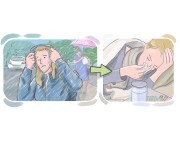
used to indicate the outcome of a preceding action or situation
como resultado
Ella invirtió en acciones en el momento adecuado, y como resultado, vio un retorno sustancial en su inversión.
used to indicate the outcome that occurs due to a specific cause or event
en consecuencia, por lo tanto
La fábrica cerró y, en consecuencia, muchos trabajadores perdieron sus empleos.
used to introduce a statement that provides additional information or emphasizes the truth or reality of a situation
de hecho, en realidad
Ella estaba segura de los hechos, y de hecho, su investigación fue exhaustiva y precisa.
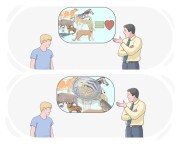
used to provide a specific situation or instance that helps to clarify or explain a point being made

to be the first person who finds something or someplace that others did not know about
descubrir
El científico descubrió una nueva especie de planta en la selva tropical remota.

the true principles or facts about something, in contrast to what is imagined or thought
verdad
Los periodistas se esfuerzan por informar las noticias con integridad y adherirse a los más altos estándares de verdad.
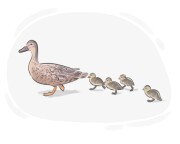
to move or travel behind someone or something
seguir
Los niños se rieron mientras seguían al líder en un juego de "Simón dice".

a series of images, feelings, or events happening in one's mind during sleep
sueño
En su sueño, se reunió con viejos amigos que no había visto en años.

to give someone what they need
ayudar
El profesor ayudó a la estudiante con su tarea.
Individuals who do not have enough money or material possessions to meet their basic needs for food, shelter, and clothing
pobres, indigentes
![to [make] (a|the) difference](https://cdn.langeek.co/photo/40411/thumb/350?type=jpeg "to [make] (a|the) difference")
to have a very strong and noticeable effect on someone or something

to become the most successful, the luckiest, or the best in a game, race, fight, etc.
ganar
¿Ganó el equipo local el partido de baloncesto anoche?
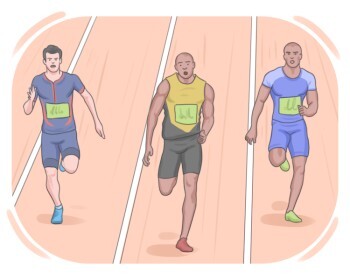
a competition between people, vehicles, animals, etc. to find out which one is the fastest and finishes first
carrera
El maratón es la carrera más larga que he corrido.
