pattern

Le livre Solutions - Intermédiaire - Unité 6 - 6C

Ici, vous trouverez le vocabulaire de l'Unité 6 - 6C dans le manuel Solutions Intermediate, comme "déterminé", "par exemple", "par conséquent", etc.

Réviser

Flashcards

Orthographe

Quiz

Commencer à apprendre
Solutions - Intermediate
ambitious
ambitious
[Adjectif]

trying or wishing to gain great success, power, or wealth

ambitieux

ambitieux

Ex: She is an ambitious entrepreneur, constantly seeking new opportunities to expand her business empire. 

Elle est une entrepreneuse ambitieuse, cherchant constamment de nouvelles opportunités pour étendre son empire commercial.

creative
creative
[Adjectif]

making use of imagination or innovation in bringing something into existence

créatif

créatif

Ex: I find my sister a creative person, always coming up with new ideas for products to sell in her shop. 

Je trouve ma sœur une personne créative, toujours en train de proposer de nouvelles idées de produits à vendre dans son magasin.

determined
determined
[Adjectif]

having or displaying a strong will to achieve a goal despite the challenges or obstacles

obstiné

obstiné

Ex: He remained determined to learn a new language, practicing every day. 

Il est resté déterminé à apprendre une nouvelle langue, s'entraînant tous les jours.
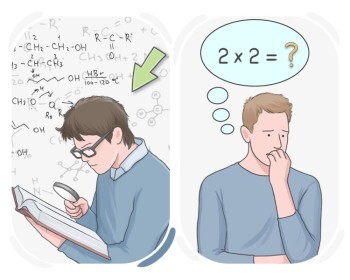
intelligent
intelligent
[Adjectif]

good at learning things, understanding ideas, and thinking clearly

intelligent, intelligente

intelligent, intelligente

Ex: Intelligent systems are used to monitor traffic flow in the city. 

Les systèmes intelligents sont utilisés pour surveiller le flux de trafic dans la ville.

patient
patient
[Adjectif]

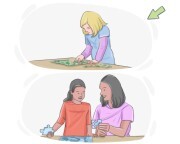
able to remain calm, especially in challenging or difficult situations, without becoming annoyed or anxious

patient
patient

Ex: The doctor remained patient with the elderly patient who asked repeated questions about their medication. 

Le médecin est resté patient avec le patient âgé qui posait des questions répétées sur ses médicaments.

self-confident
self-confident
[Adjectif]

(of a person) having trust in one's abilities and qualities

avoir confiance en soi, avoir de l'assurance, sûr de soi

avoir confiance en soi, avoir de l'assurance, sûr de soi

Ex: She's self-confident, showing a positive and assured attitude in various situations. 

Elle est confiante, montrant une attitude positive et assurée dans diverses situations.
stubborn
stubborn
[Adjectif]

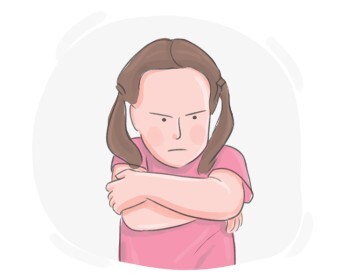
unwilling to change one's attitude or opinion despite good reasons to do so

têtu

têtu

Ex: Her stubborn refusal to compromise led to frequent arguments with her colleagues. 

Son entêtement à refuser tout compromis a conduit à des disputes fréquentes avec ses collègues.

for instance
for instance
[Adverbe]

used to introduce an example of something mentioned

par exemple, à titre d'exemple

par exemple, à titre d'exemple

Ex: Learning a new language can be beneficial in many ways; for instance, it can improve cognitive abilities and enhance cultural understanding. 

Apprendre une nouvelle langue peut être bénéfique à bien des égards ; par exemple, cela peut améliorer les capacités cognitives et renforcer la compréhension culturelle.

reason
reason
[nom]

something that explains an action or event

raison
raison

Ex: The lack of evidence cast doubt on the reason for his sudden disappearance. 

Le manque de preuves a jeté un doute sur la raison de sa disparition soudaine.

however
however
[Adverbe]

used to add a statement that contradicts what was just mentioned

pourtant, cependant

pourtant, cependant

Ex: He expected the task to be difficult; however, it turned out to be surprisingly straightforward. 

Il s'attendait à ce que la tâche soit difficile ; cependant, elle s'est avérée étonnamment simple.

indeed
indeed
[Adverbe]

used to express agreement, affirmation, or confirmation

en effet, effectivement

en effet, effectivement

to mind
to mind
[verbe]

to care or be concerned about a particular person or thing

se soucier de, faire attention à

se soucier de, faire attention à

Ex: He minds his younger sister when their parents are out, making sure she doesn't get into trouble. 

Il veille sur sa petite sœur quand leurs parents sont sortis, en s'assurant qu'elle ne s'attire pas d'ennuis.

though
though
[Conjonction]

used to say something surprising compared to the main idea

bien que, quoique

bien que, quoique

Ex: Though he is scared of heights, he decided to try bungee jumping. 

Bien qu'il ait peur des hauteurs, il a décidé d'essayer le saut à l'élastique.
as a result
as a result
[Adverbe]

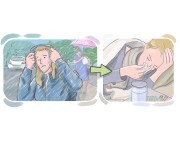
used to indicate the outcome of a preceding action or situation

en conséquence

en conséquence

Ex: The company implemented cost-cutting measures, and as a result, their profits increased significantly. 

L'entreprise a mis en œuvre des mesures de réduction des coûts, et en conséquence, leurs bénéfices ont considérablement augmenté.

consequently
consequently
[Adverbe]

used to indicate the outcome that occurs due to a specific cause or event

par conséquent,  donc

par conséquent, donc

Ex: He was caught cheating on the exam; consequently, he was expelled from school. 

Il a été surpris en train de tricher à l'examen ; par conséquent, il a été expulsé de l'école.

in fact
in fact
[Adverbe]

used to introduce a statement that provides additional information or emphasizes the truth or reality of a situation

en fait, en réalité

en fait, en réalité

Ex: The project seemed simple, but in fact, it required extensive research and planning. 

Le projet semblait simple, mais en fait, il nécessitait des recherches et une planification approfondies.
for example
for example
[Phrase]

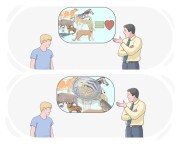
used to provide a specific situation or instance that helps to clarify or explain a point being made

Ex: There are many great travel destinations in Europe, for example, Paris, Rome, and Barcelona. 
to discover

to be the first person who finds something or someplace that others did not know about

découvrir

découvrir

Ex: The team discovered a new energy source that could revolutionize the industry. 

L'équipe a découvert une nouvelle source d'énergie qui pourrait révolutionner l'industrie.

truth
truth
[nom]

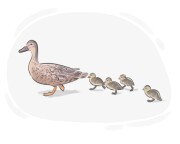
the true principles or facts about something, in contrast to what is imagined or thought

vérité
vérité

Ex: In court, witnesses are sworn to tell the truth during testimony. 

Au tribunal, les témoins jurent de dire la vérité pendant leur déposition.

to follow
to follow
[verbe]

to move or travel behind someone or something

suivre

suivre

Ex: She entered the room, and her dog followed obediently. 

Elle est entrée dans la pièce, et son chien l'a suivi docilement.

dream
dream
[nom]

a series of images, feelings, or events happening in one's mind during sleep

rêve

rêve

Ex: His dream was so realistic that he woke up feeling confused. 

Son rêve était si réaliste qu'il s'est réveillé en se sentant confus.

to help
to help
[verbe]

to give someone what they need

aider

aider

Ex: Can you help me solve this problem? 

Pouvez-vous m'aider à résoudre ce problème ?

poor
poor
[nom]

Individuals who do not have enough money or material possessions to meet their basic needs for food, shelter, and clothing

pauvres, indigents

pauvres, indigents

to [make] (a|the) difference

to have a very strong and noticeable effect on someone or something

Ex: A little sympathy makes a world of difference to someone who's been badly treated. 
to win
to win
[verbe]

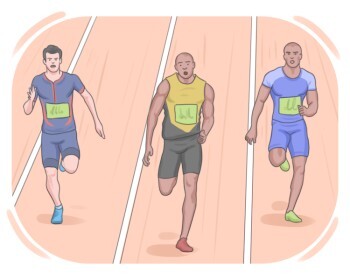
to become the most successful, the luckiest, or the best in a game, race, fight, etc.

gagner
gagner

Ex: Despite the challenges, they managed to win the contract. 

Malgré les défis, ils ont réussi à remporter le contrat.

race
race
[nom]

a competition between people, vehicles, animals, etc. to find out which one is the fastest and finishes first

course

course

Ex: The horse race attracts thousands of spectators. 

La course de chevaux attire des milliers de spectateurs.

LanGeek
Télécharger l'application LanGeek