pattern

El libro Four Corners 1 - Unidad 10 - Lección C - Parte 2

Aquí encontrarás el vocabulario de la Unidad 10 Lección C - Parte 2 del libro de curso Four Corners 1, como "colgar", "perder", "enviar", etc.

Revisión

Tarjetas de memoria

formas

Ortografía

Cuestionario

Empezar a aprender
Four Corners 1
to get
to get
[Verbo]

to receive or come to have something

conseguir, obtener
conseguir, obtener

Ex: They got an invitation to the exclusive event. 

Ellos recibieron una invitación al evento exclusivo.

to give
to give
[Verbo]

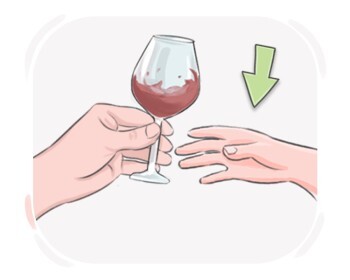
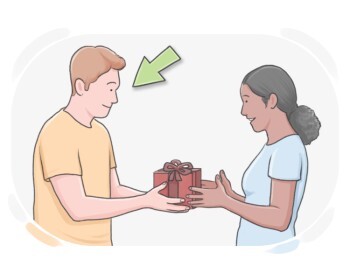
to hand a thing to a person to look at, use, or keep

dar
dar

Ex: The tour guide gave visitors a map to explore the historical site. 

El guía turístico dio a los visitantes un mapa para explorar el sitio histórico.

to go
to go
[Verbo]

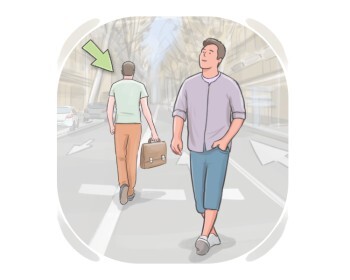
to travel or move from one location to another

ir
ir

Ex: They have been to Australia twice and loved the experience. 

Han ido a Australia dos veces y les encantó la experiencia.

to hang
to hang
[Verbo]

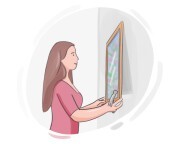
to attach something to a higher point so that it is supported from above and can swing freely

colgar
colgar

Ex: The artist carefully hung her latest masterpiece in the gallery for everyone to admire. 

La artista colgó cuidadosamente su última obra maestra en la galería para que todos la admiraran.

to have
to have
[Verbo]

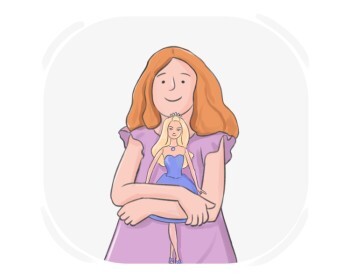
to hold or own something

tener

tener

Ex: Does your friend have a reliable computer? 

¿Tiene tu amigo una computadora confiable?

to hear
to hear
[Verbo]

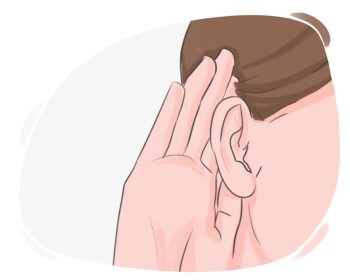
to notice the sound a person or thing is making

oír
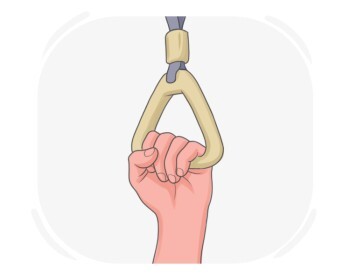
oír

Ex: We heard shouting coming from the other house. 

Escuchamos gritos que venían de la otra casa.

to hold
to hold
[Verbo]

to have in your hands or arms

agarrar, coger

agarrar, coger

Ex: He gently held the fragile vase, careful not to drop it. 

Sostenía suavemente el frágil jarrón, con cuidado de no dejarlo caer.

to know
to know
[Verbo]

to have some information about something

saber
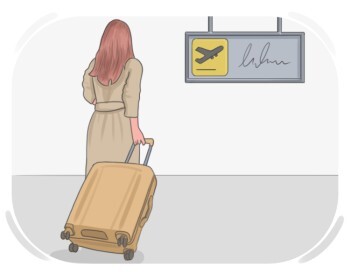
saber

Ex: He knows that he needs to study more for the exam. 

Él sabe que necesita estudiar más para el examen.

to leave
to leave
[Verbo]

to go away from somewhere

dejar

dejar

Ex: The bus will leave in five minutes, so be quick! 

El autobús saldrá en cinco minutos, ¡así que date prisa!

to make
to make
[Verbo]

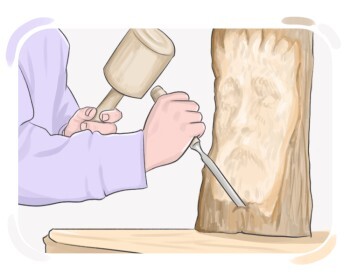
to form, produce, or prepare something, by putting parts together or by combining materials

hacer
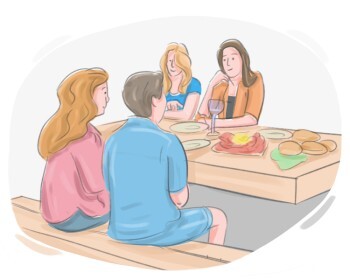
hacer

Ex: The factory workers make thousands of cars every month. 

Los trabajadores de la fábrica fabrican miles de coches cada mes.

to meet
to meet
[Verbo]

to come together as previously scheduled for social interaction or a prearranged purpose

encontrarse, reunirse
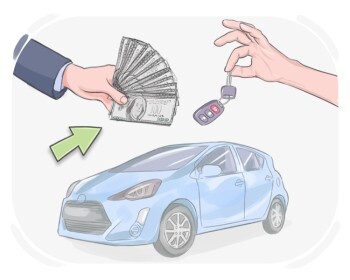
encontrarse, reunirse

Ex: We should meet at the theater before the movie starts. 

Deberíamos encontrarnos en el teatro antes de que comience la película.

to pay
to pay
[Verbo]

to give someone money in exchange for goods or services

pagar

pagar

Ex: He paid the cleaning service to tidy up the house. 

Él pagó el servicio de limpieza para ordenar la casa.

to read
to read
[Verbo]

to look at written or printed words or symbols and understand their meaning

leer
leer

Ex: It's important to read the terms and conditions before agreeing. 

Es importante leer los términos y condiciones antes de aceptar.

to ride
to ride
[Verbo]

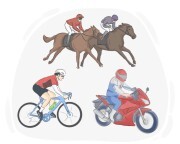
to sit on open-spaced vehicles like motorcycles or bicycles and be in control of their movements

montar, conducir
montar, conducir

Ex: Participants in the off-road rally eagerly prepared to ride their dirt bikes through challenging trails in the desert. 

Los participantes del rally todoterreno se preparaban con entusiasmo para montar sus motos de cross por senderos desafiantes en el desierto.

to run
to run
[Verbo]

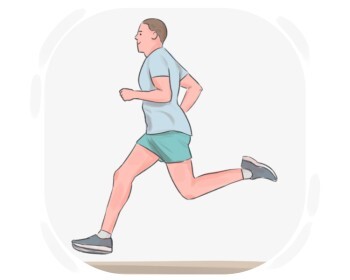
to move using our legs, faster than we usually walk, in a way that both feet are never on the ground at the same time

correr
correr

Ex: Excited to see us, she came running across the park. 

Emocionada de vernos, vino corriendo por el parque.

to lose
to lose
[Verbo]

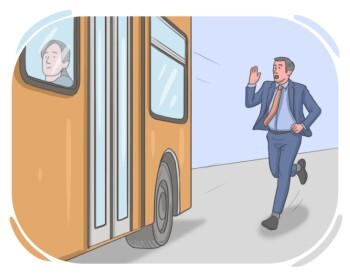
to be deprived of or stop having someone or something

perder
perder

Ex: She began to lose interest in the project as it became more complicated. 

Ella comenzó a perder interés en el proyecto a medida que se volvía más complicado.

to say
to say
[Verbo]

to use words and our voice to show what we are thinking or feeling

decir
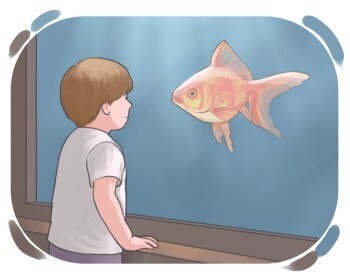
decir

Ex: She said she loved the gift I gave her. 

Ella dijo que le encantaba el regalo que le di.

to see
to see
[Verbo]

to notice a thing or person with our eyes

ver
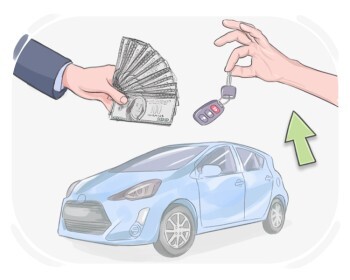
ver

Ex: He saw a stranger walking toward him on the sidewalk. 

Él vio a un extraño caminando hacia él en la acera.

to sell
to sell
[Verbo]

to give something to someone in exchange for money

vender
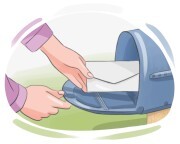
vender

Ex: Do you think they'll sell their old bicycles at the flea market? 

¿Crees que venderán sus bicicletas viejas en el mercado de pulgas?

to send
to send
[Verbo]

to have a person, letter, or package physically delivered from one location to another, specifically by mail

enviar
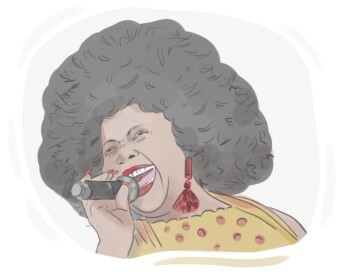
enviar

Ex: She decided to send a handwritten letter to her friend who lived overseas. 

Ella decidió enviar una carta escrita a mano a su amigo que vivía en el extranjero.

to sing
to sing
[Verbo]

to use one's voice in order to produce musical sounds in the form of a tune or song

cantar
cantar

Ex: He sings a duet with his sister at the family gathering. 

Él canta un dúo con su hermana en la reunión familiar.

to sit
to sit
[Verbo]

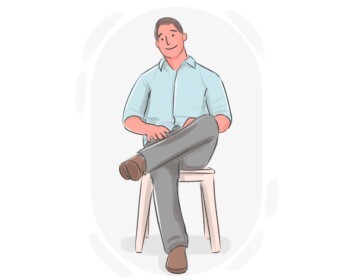
to put our bottom on something like a chair or the ground while keeping our back straight

sentarse

sentarse

Ex: He enjoys going to the park to sit and watch the ducks in the pond. 

Disfruta ir al parque para sentarse y ver los patos en el estanque.

to speak
to speak
[Verbo]

to use one's voice to express a particular feeling or thought

hablar
hablar

Ex: She was so nervous she could hardly speak. 

Estaba tan nerviosa que apenas podía hablar.

to spend
to spend
[Verbo]

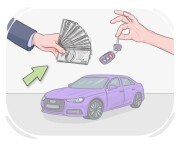
to use money as a payment for services, goods, etc.

gastar
gastar

Ex: He asked how much she spent on the concert tickets. 

Preguntó cuánto había gastado en las entradas del concierto.

to stand
to stand
[Verbo]

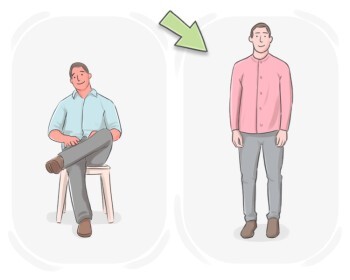
to be upright on one's feet

estar de pie
estar de pie

Ex: My grandmother stands near the entrance to greet guests. 

Mi abuela se para cerca de la entrada para saludar a los invitados.

to swim
to swim
[Verbo]

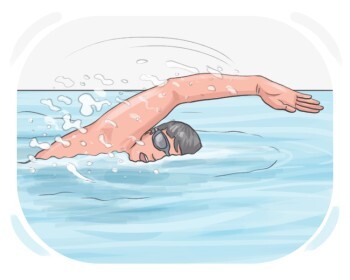
to move through water by moving parts of the body, typically arms and legs

nadar

nadar

Ex: While I was swimming at the lake, I found a seashell. 

Mientras nadaba en el lago, encontré una concha marina.

to take
to take
[Verbo]

to reach for something and hold it

tomar

tomar

Ex: May I take your coat and hat, sir? 

¿Puedo tomar su abrigo y sombrero, señor?

to teach
to teach
[Verbo]

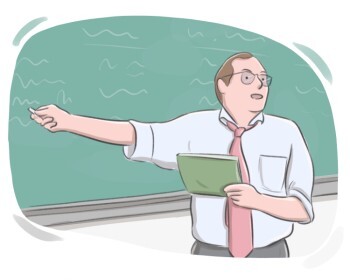
to give lessons to students in a university, college, school, etc.

enseñar
enseñar

Ex: I decided to leave my stressful job and teach painting at the community center. 

Decidí dejar mi trabajo estresante y enseñar pintura en el centro comunitario.

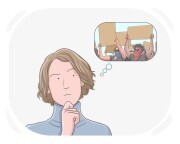
to think
to think
[Verbo]

to have a type of belief or idea about a person or thing

pensar
pensar

Ex: I think that the company should focus on sustainability. 

Yo pienso que la empresa debería centrarse en la sostenibilidad.

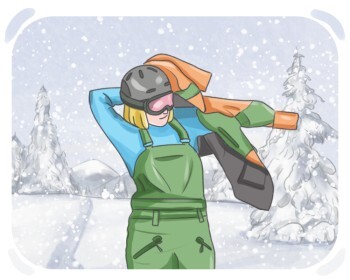
to wear
to wear
[Verbo]

to have something such as clothes, shoes, etc. on your body

llevar
llevar

Ex: The students were instructed to wear their school uniforms every day. 

Se les indicó a los estudiantes que usaran sus uniformes escolares todos los días.

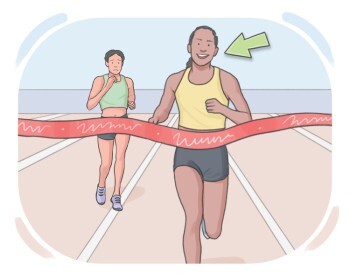
to win
to win
[Verbo]

to become the most successful, the luckiest, or the best in a game, race, fight, etc.

ganar
ganar

Ex: Did the home team win the basketball game last night? 

¿Ganó el equipo local el partido de baloncesto anoche?

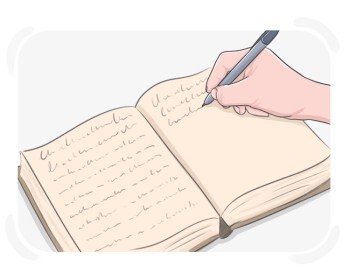
to write
to write
[Verbo]

to make letters, words, or numbers on a surface, usually on a piece of paper, with a pen or pencil

escribir
escribir

Ex: They grabbed a marker to write a message on the whiteboard. 

Agarraron un marcador para escribir un mensaje en la pizarra.

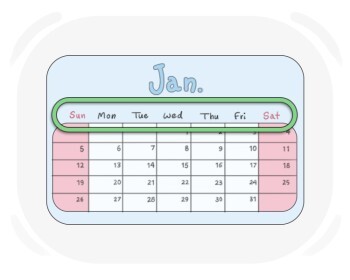
week
week
[Sustantivo]

a period of time that is made up of seven days in a calendar

semana
semana

Ex: My wife enjoys reading books in her free time during the week. 

A mi esposa le gusta leer libros en su tiempo libre durante la semana.

yesterday
yesterday
[Sustantivo]

the 24-hour period immediately preceding the current day

ayer

ayer

Ex: I prefer yesterday's weather to today's. 

Prefiero el clima de ayer al de hoy.

LanGeek
Descargar la aplicación LanGeek