pattern

Verbos de Existencia y Acción - Verbos para la Propiedad

Aquí aprenderás algunos verbos en inglés que se refieren a la propiedad como "poseer", "retener" y "perder".

Revisión

Tarjetas de memoria

formas

Ortografía

Cuestionario

Empezar a aprender
Categorized English Verbs of Existence and Action
to have
to have
[Verbo]

to hold or own something

tener

tener

Ex: Does your friend have a reliable computer? 

¿Tiene tu amigo una computadora confiable?

to own
to own
[Verbo]

to have something as for ourselves

tener, poseer

tener, poseer

Ex: Last year, he successfully owned a vintage car that he had restored. 

El año pasado, logró poseer un coche vintage que había restaurado.

to possess
to possess
[Verbo]

to have something as one's own

poseer

poseer

Ex: The wealthy businessman is known to possess a fleet of luxury cars and a private jet. 

Se sabe que el acaudalado empresario posee una flota de autos de lujo y un jet privado.

to boast
to boast
[Verbo]

to possess or have a particular feature or quality that is a source of pride

jactarse, presumir

jactarse, presumir

Ex: The luxury resort boasts spacious suites with panoramic views of the mountains. 

El resort de lujo presume de suites espaciosas con vistas panorámicas a las montañas.

to enjoy
to enjoy
[Verbo]

to possess or experience something that brings pleasure, satisfaction, or advantage

disfrutar, gozar

disfrutar, gozar

Ex: Residents of the coastal town enjoy the privilege of stunning ocean views from their homes. 

Los residentes del pueblo costero disfrutan del privilegio de impresionantes vistas al mar desde sus hogares.

to retain
to retain
[Verbo]

to keep what one has or to continue having something

retener
retener

Ex: The professor encouraged students to actively engage with course materials to better retain knowledge for future applications. 
to keep
to keep
[Verbo]

to have or continue to have something

tener

tener

Ex: Make sure to keep a spare set of keys in case you get locked out. 

Asegúrate de tener un juego de llaves de repuesto por si te quedas encerrado.

to hold on to

to retain, keep, or continue to have something

aferrarse a, conservar

aferrarse a, conservar

Ex: As the years pass, people often hold on to cherished memories that bring joy and nostalgia. 

A medida que pasan los años, las personas a menudo conservan recuerdos queridos que traen alegría y nostalgia.

to hang on to

to keep something with effort or determination

aferrarse a, mantener con determinación

aferrarse a, mantener con determinación

Ex: The athlete fought hard to hang on to his title as the world champion. 

El atleta luchó duro para mantener su título como campeón del mundo.

to belong
to belong
[Verbo]

to be one's property

ser de, pertenecer a
ser de, pertenecer a

Ex: The keys found on the table belong to the neighbor's house. 

Las llaves encontradas en la mesa pertenecen a la casa del vecino.

to owe
to owe
[Verbo]

to have the responsibility of paying someone back a certain amount of money that was borrowed

deber, adeudar
deber, adeudar

Ex: We owe the bank a monthly mortgage payment for our home loan. 

Le debemos al banco un pago mensual de hipoteca por nuestro préstamo de vivienda.

to lack
to lack
[Verbo]

to be without or to not have enough of something that is needed or desirable

faltar
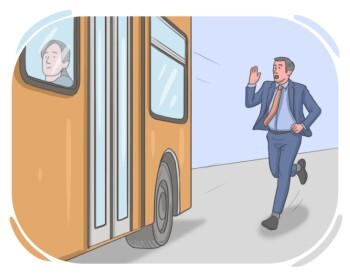
faltar

Ex: The garden lacked proper sunlight, hindering the growth of certain plants. 

El jardín carecía de luz solar adecuada, dificultando el crecimiento de ciertas plantas.

to lose
to lose
[Verbo]

to be deprived of or stop having someone or something

perder

perder

Ex: She began to lose interest in the project as it became more complicated. 

Ella comenzó a perder interés en el proyecto a medida que se volvía más complicado.

to [go|do] without {sb/sth}

to manage or function without someone or something that is typically needed or desired

Ex: She had to go without her morning coffee when they ran out of beans. 
LanGeek
Descargar la aplicación LanGeek