pattern

Czasowniki Istnienia i Działania - Czasowniki dla Własności

Tutaj nauczysz się niektórych angielskich czasowników odnoszących się do własności, takich jak "posiadać", "zachować" i "stracić".

Przegląd

Fiszki

formy

Pisownia

Test

Zacznij naukę
Categorized English Verbs of Existence and Action
to have
to have
[Czasownik]

to hold or own something

mieć, posiadać

mieć, posiadać

Ex: He has a rare stamp from the 19th century. 
to own
to own
[Czasownik]

to have something as for ourselves

posiadać,  mieć

posiadać, mieć

Ex: The company owned several patents for their innovative technology. 
to possess
to possess
[Czasownik]

to have something as one's own

posiadać, mieć

posiadać, mieć

Ex: The mansion possesses an exquisite garden with rare flowers and sculptures. 
to boast
to boast
[Czasownik]

to have or possess an impressive or desirable feature, quality, or achievement

posiadać,  szczycić się

posiadać, szczycić się

Ex: The university now boasts one of the largest research libraries in the country. 
to enjoy
to enjoy
[Czasownik]

to possess or experience something that brings pleasure, satisfaction, or advantage

cieszyć się, korzystać

cieszyć się, korzystać

Ex: She enjoys a wealth of knowledge in her field. 
to retain
to retain
[Czasownik]

to keep what one has or to continue having something

zachować, zatrzymać
zachować, zatrzymać

Ex: She retained ownership of the property after the sale. 
to keep
to keep
[Czasownik]

to have or continue to have something

zatrzymać, przechowywać

zatrzymać, przechowywać

Ex: Do you need this document back, or can I keep it for my records? 
to hold on to
to hold on to
[Czasownik]

to retain, keep, or continue to have something

trzymać się, zachować

trzymać się, zachować

Ex: As the years pass, people often hold on to cherished memories that bring joy and nostalgia. 

Z upływem lat ludzie często trzymają się cennych wspomnień, które przynoszą radość i nostalgię.

to hang on to
to hang on to
[Czasownik]

to keep something with effort or determination

usilnie coś utrzymać, starać się czegoś nie stracić

usilnie coś utrzymać, starać się czegoś nie stracić

Ex: He is determined to hang on to his job despite the company's financial troubles. 

Jest zdeterminowany, by trzymać się swojej pracy pomimo problemów finansowych firmy.

to belong
to belong
[Czasownik]

to be one's property

należeć, być własnością
należeć, być własnością

Ex: This house no longer belongs to the previous owner; it has been sold. 
to owe
to owe
[Czasownik]

to have the responsibility of paying someone back a certain amount of money that was borrowed

być winnym, mieć dług
być winnym, mieć dług

Ex: I owe my friend $50 from last month when he covered my dinner expenses. 
to lack
to lack
[Czasownik]

to be without or to not have enough of something that is needed or desirable

brakować, nie mieć wystarczająco
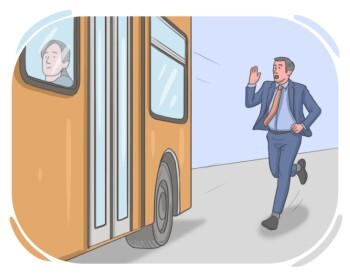
brakować, nie mieć wystarczająco

Ex: She failed to complete the project on time because she lacked the necessary resources. 
to lose
to lose
[Czasownik]

to be deprived of or stop having someone or something

stracić, być pozbawionym

stracić, być pozbawionym

Ex: She lost her hearing as a result of the loud explosion. 
to [go|do] without {sb/sth}

to manage or function without someone or something that is typically needed or desired

Ex: During the power outage, we had to go without electricity for several hours. 
LanGeek
Pobierz aplikację LanGeek