pattern

Vocabulario para IELTS Academic (Puntuación 5) - Pensamientos y Decisiones

Aquí, aprenderás algunas palabras en inglés relacionadas con Pensamientos y Decisiones que son necesarias para el examen IELTS General Training.

Revisión

Tarjetas de memoria

formas

Ortografía

Cuestionario

Empezar a aprender
Vocabulary for IELTS Academic (Band 5)
to reason
to reason
[Verbo]

to think rationally and make good judgement

pensando lógicamente

pensando lógicamente

Ex: When confronted with the dilemma, she reasoned calmly instead of reacting impulsively. 
to analyze
to analyze
[Verbo]

to examine or study something in detail in order to explain or understand it

analizar

analizar

Ex: The financial analyst will analyze the company's quarterly reports to assess its performance. 
to concentrate

to focus one's all attention on something specific

concentrar
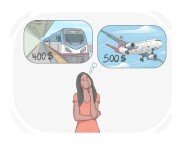
concentrar

Ex: The students were asked to concentrate during the lecture to grasp the complex concepts being explained. 
to consider

to think about something carefully before making a decision or forming an opinion

considerar

considerar

Ex: He carefully considered all the job offers before making a decision. 
to suppose
to suppose
[Verbo]

to think or believe that something is possible or true, without being sure

suponer
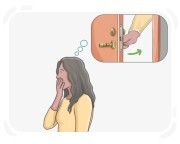
suponer

Ex: I suppose the project will be completed on time if everyone stays on track. 
to remember

to bring a type of information from the past to our mind again

recordar, acordarse de

recordar, acordarse de

Ex: I remember the smell of freshly baked cookies in my grandmother's kitchen. 
to recall
to recall
[Verbo]

to bring back something from the memory

recordar

recordar

Ex: In therapy, individuals may work to recall suppressed memories for healing. 
to recollect

to bring to mind past memories or experiences

recordar

recordar

Ex: The smell of fresh-baked cookies made her recollect warm moments from her childhood. 

El olor de las galletas recién horneadas le hizo recordar momentos cálidos de su infancia.
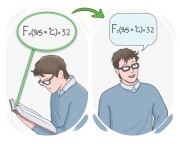
to memorize

to repeat something until it is kept in one's memory

memorizar

memorizar

Ex: Language learners strive to memorize vocabulary to improve fluency. 

Los estudiantes de idiomas se esfuerzan por memorizar vocabulario para mejorar la fluidez.

to ignore
to ignore
[Verbo]

to intentionally pay no or little attention to someone or something

ignorar

ignorar

Ex: It's important not to ignore the early signs of a potential problem for timely resolution. 
to decide
to decide
[Verbo]

to think carefully about different things and choose one of them

decidir

decidir

Ex: Have they decided on a date for the meeting? 
to choose
to choose
[Verbo]

to decide what we want to have or what is best for us from a group of options

elegir

elegir

Ex: She couldn't choose a favorite book because she loved so many. 
to select
to select
[Verbo]

to choose someone or something from a group of people or things

seleccionar

seleccionar

Ex: Last week, the jury selected a foreperson to lead the deliberations. 
to pick
to pick
[Verbo]

to choose someone or something out of a group of people or things

escoger

escoger

Ex: Let's pick a movie to watch from the available options. 
to prefer
to prefer
[Verbo]

to want or choose one person or thing instead of another because of liking them more

preferir

preferir

Ex: He prefers spending his weekends reading a good book rather than going to crowded events. 
to think
to think
[Verbo]

to have a type of belief or idea about a person or thing

pensar

pensar

Ex: I think that the company should focus on sustainability. 
to imagine
to imagine
[Verbo]

to make or have an image of something in our mind

imaginar

imaginar

Ex: She likes to imagine herself traveling to exotic destinations while reading a book. 
to guess
to guess
[Verbo]

to estimate or form a conclusion about something without sufficient information to verify its accuracy

adivinar, estimar
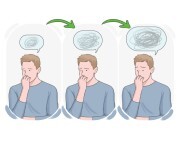
adivinar, estimar

Ex: Without a map, we had to guess the way to the beach. 
to overthink

to think too much about something, often making it more complicated than it needs to be

pensar demasiado

pensar demasiado

Ex: When faced with a challenge, it's easy to overthink and imagine worst-case scenarios. 

Cuando se enfrenta a un desafío, es fácil pensar demasiado e imaginar los peores escenarios.

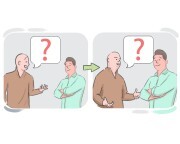
to assume
to assume
[Verbo]

to think that something is true without having proof or evidence

suponer, presumir
suponer, presumir

Ex: Yesterday, he mistakenly assumed that the meeting was canceled. 
to dismiss
to dismiss
[Verbo]

to disregard something as unimportant or unworthy of consideration

ignorar

ignorar

Ex: It's easy to dismiss minor issues, but they can accumulate and lead to larger problems. 
LanGeek
Descargar la aplicación LanGeek
